Resources/ Blog

Understanding the "Minimum Order Quantity" (MOQ) Logic for Artisanal Goods: An Executive Insider’s Guide

Executive Brief

  • Minimum Order Quantities (MOQs) in the handicraft and natural homeware sector are not arbitrary sales barriers; they are mathematically dictated by raw material harvesting, industrial curing cycles, and shipping container economics.

  • Unlike injection-molded plastics, artisanal goods made from Acacia wood, bamboo, rattan, seagrass, and water hyacinth require specialized batch setups across both CNC machinery and decentralized craft village networks.

  • Running sub-MOQ batches inflates unit costs through wasted electric kiln capacity, repeated machine recalibration, higher per-unit third-party lab testing fees, and inefficient carton packing.

  • Savvy retail buyers can navigate MOQ constraints by consolidating multiple SKUs within the same material family, leveraging nested basket designs, and partnering with multi-material manufacturers.

  • With a 12,000+ m² facility, 70 in-house technicians, over 2,000 village artisans, and an export capacity of 40–50 40' containers per month, Ngoc Dong Ha Nam Co. structures transparent, volume-optimized MOQs for global retail leaders.


Behind the Negotiation Table: Why MOQs Frustrate Buyers—and Protect Them

Every retail buyer, sourcing manager, and private-label brand director has experienced the same moment of friction. You discover a stunning mixed-material product—perhaps a solid Acacia wood serving tray with hand-braided rattan handles, or a nested set of color-blocked seagrass storage baskets. You want to run a cautious test order of 150 units to gauge consumer appetite before committing to a full rollout. Then the factory’s quote lands in your inbox: MOQ: 500 to 1,000 pieces per SKU.

To a buyer managing tight open-to-buy budgets and warehouse space, an MOQ can feel like an inflexible roadblock designed purely to pad a factory’s revenue. From inside the manufacturing floor, however, the reality is entirely different.

In the world of mass-produced synthetic goods, a factory can sometimes pivot quickly by swapping a plastic pellet color in an injection molder. Artisanal and natural-material homeware—spanning Acacia wood, bamboo, rattan, water hyacinth, seagrass, and paper rope—operates under an entirely different set of physical and economic laws. An MOQ is the exact mathematical threshold at which a manufacturer can produce a product with consistent quality, legal compliance, and a competitive FOB price without absorbing catastrophic operational waste.

Understanding the true mechanics behind artisanal MOQ logic transforms how you negotiate, design collections, and structure purchase orders. Here is an executive insider’s breakdown of the six hidden cost engines that determine MOQs—and how strategic buyers use them to their advantage.

1. Upstream Raw Material Harvesting and Grading Minimums

Synthetic resins can be ordered in standardized 25-kilogram sacks year-round. Natural materials cannot. Rattan canes, seagrass stalks, water hyacinth stems, and FSC-certified Acacia timber are agricultural and forestry harvests governed by seasons, regional yields, and strict quality grading.

When a factory accepts a purchase order, it does not simply buy the exact weight of raw material needed for 100 baskets. Suppliers of raw timber and dried aquatic fibers sell by the metric ton or full truckload. More importantly, natural materials require aggressive sorting and grading:

  • Acacia Wood and Bamboo: Logs must be sawn, stripped of sapwood defects, and color-matched so that a single retail collection displays cohesive grain and tone.

  • Woven Fibers (Rattan, Seagrass, Water Hyacinth): Only a specific percentage of a raw harvest meets the tensile strength, diameter uniformity, and blemish-free standards required by major Western and Asian retailers.

If a factory purchases a minimum raw material lot to fulfill a tiny order, the leftover graded fiber or milled lumber sits idle, tying up working capital and risking degradation. MOQs ensure that the raw material lot is consumed efficiently within a single, uniform production run—which also guarantees that every unit in your shipment shares the exact same natural tone and harvest quality.

2. The Economics of Industrial Drying and Moisture Control

One of the least understood drivers of MOQ in natural home decor is industrial curing. Unprocessed wood and natural woven fibers retain moisture. If they are shipped across the ocean without precise moisture stabilization, Acacia cutting boards warp and crack, while seagrass and water hyacinth baskets bloom with mold inside the shipping container.

Low-tier workshops sometimes accept ultra-low MOQs because they rely on free, unpredictable sun-drying—passing the massive risk of mold and customer returns directly onto the buyer. Industrial-grade factories eliminate that risk through controlled energy infrastructure.

At Ngoc Dong Ha Nam Co., for example, raw materials and finished goods are cured inside three large-capacity electric drying rooms to achieve precise, climate-resilient moisture levels. Running an industrial electric kiln for 24 to 72 hours consumes the exact same amount of electricity whether the chamber is 100% full or only 15% full. To keep the energy cost per unit viable for mid- and value-tier retail price points, drying rooms must be loaded to capacity. The MOQ directly reflects the volume needed to justify a dedicated curing cycle.

3. Woodworking Tooling, Jigs, and CNC Setup Time

Modern artisanal houseware is rarely 100% hand-carved; the best-selling items on global retail shelves fuse traditional hand-weaving with precision-milled woodwork. Producing an Acacia wood bath bridge, a slatted bamboo shoe rack, or a routed flatware caddy requires a sequence of heavy machinery—including CNC routers, planers, sanders, four-head lathes, presses, and air compression systems.

Every unique SKU requires dedicated setup before the first sellable unit comes off the line:

  1. CNC Programming and Calibration: Engineers write toolpaths and calibrate cutting tolerances for exact edge profiles, slots, and joinery.

  2. Custom Jigs and Weaving Molds: Both woodworking assembly and hand-weaving rely on custom wooden or metal molds to guarantee that Basket #1 and Basket #1,000 have the exact same dimensions, taper, and handle placement.

  3. Finishing Line Purging: When switching stains, food-safe oils, or matte protective sealants, spray booths and finishing lines must be cleaned, flushed, and recalibrated.

This changeover process can consume half a day of skilled technician labor and machine downtime. Amortized across 1,000 units, that setup cost adds mere cents per piece. Amortized across 100 units, it destroys the product’s margin and makes the FOB price uncompetitive at retail.

4. Artisan Village Training and the "Learning Curve"

When a product involves hand-woven rattan, water hyacinth, seagrass, or paper rope, the MOQ is also tied to human productivity. Large-scale export factories in Vietnam do not squeeze thousands of weavers into a single concrete room; instead, they coordinate structured networks of skilled craftspeople across traditional villages.

Ngoc Dong Ha Nam Co. combines 70 skilled in-house factory workers with a trained network of over 2,000 traditional village artisans. Whenever a new weaving pattern, color-blocked dye transition, or custom basket silhouette is introduced, technical supervisors must distribute physical molds, train village team leaders, and inspect initial pilot pieces.

There is an unavoidable human learning curve: the first 20 to 30 woven units take significantly longer to produce and have higher rejection rates as artisans lock in the exact weave tension and stitch count. Only after an artisan group hits its rhythmic stride does production speed stabilize and visual uniformity reach retail perfection. An MOQ ensures that the time invested in training, distributing raw materials to the villages, and transporting semi-finished weaves back to the central factory for quality control and finishing actually pays off.

5. Compliance, Testing, and Audit Amortization

In 2026, retail buyers cannot simply buy a product; they must buy documented compliance. Major global chains require third-party laboratory testing—such as FDA or LFGB food-contact migration tests for Acacia cutting boards, moisture and colorfastness tests for dyed seagrass hampers, and static load tests for bamboo shelves.

Third-party lab fees are fixed costs per SKU, regardless of order size. Spending $1,200 on lab testing and pre-shipment inspections for a 200-unit order adds $6.00 to the landed cost of every single item—often wiping out the entire retail margin. Spread across a standard MOQ of 1,000 or 2,000 units, compliance costs drop to a fraction of a dollar per piece.

6. Packaging Minimums and Container Cubic Efficiency

Finally, MOQ logic extends all the way to the shipping port. Export-grade master cartons, inner dividers, custom belly bands, hangtags, and retail color boxes all carry their own printing and die-cutting minimums from packaging suppliers.

Furthermore, ocean freight for bulky houseware and woven storage baskets is priced by volume (cubic meters, or CBM), not weight. A single 40-foot High Cube (40'HC) container holds roughly 68 CBM. If an order is too small to fill a container—forcing a buyer into Less-than-Container-Load (LCL) consolidation—freight costs per unit skyrocket, and delicate natural fiber goods face much higher risks of crushing, humidity exposure, and handling damage at shared consolidation hubs.

How Smart Retail Buyers Work With MOQ Logic

Understanding why MOQs exist gives B2B buyers powerful levers to optimize their sourcing strategy without sacrificing variety on the retail floor:

  • Consolidate Within One Material Family: Instead of demanding a low MOQ on a completely unique raw material, group 3 to 4 complementary SKUs (e.g., a bread basket, a countertop tray, and a flatware caddy) using the exact same Acacia wood grade and finish, or the exact same seagrass weave gauge. Factories can combine raw material purchasing and drying cycles across the whole collection.

  • Design for Nesting: For woven storage baskets, laundry hampers, and planters, designing nested sets (Small, Medium, Large) maximizes container utilization. You ship three times the retail value in the same cubic footprint, lowering landed costs dramatically.

  • Leverage Multi-Material Integration Under One Roof: Sourcing wood from Factory A and baskets from Factory B forces you to meet two separate MOQs and pay for two separate shipments. By partnering with an integrated, multi-material manufacturer, you can mix Acacia kitchenware, bamboo small furniture, and woven rattan or water hyacinth storage inside the exact same 40' container—hitting full-container-load (FCL) economics while keeping individual SKU inventory lean.

Scaling with Confidence: The Ngoc Dong Ha Nam Advantage

Navigating MOQs is ultimately about finding a manufacturing partner whose scale, infrastructure, and transparency align with your commercial goals.

Founded in 2004 from a traditional craft cooperative established in 1988, Ngoc Dong Ha Nam Co. brings over 30 years of production expertise and more than 20 years of international export experience to global retail buyers. Operating from a 12,000+ m² facility with two organized workshops, full CNC and woodworking lines, three large-capacity electric drying rooms, and three climate-controlled warehouses capable of storing over 40 containers of finished goods for up to six months, we engineer every batch for zero-defect reliability.

Backed by ISO9001, ISO14001, FSC, SCAN, BSCI, and SMETA certifications—and an export capacity of 40–50 40' containers per month—we are the audited, trusted manufacturing partner for world-leading retailers including Walmart, Target, Costco, Lowe’s, WSI, CTS, At Home, Ross, Kroger, Lidl, Aldi, Kmart Australia, and Nitori. Whether you are planning a multi-container seasonal rollout or consolidating a mixed-material home collection into a single optimized shipment, our team works transparently with your buyers to make the numbers—and the craftsmanship—work.

Optimize Your Next Sourcing Program with a Transparent Manufacturing Partner

Ready to turn MOQ logic into a margin advantage? Partner with a fully integrated, multi-material factory that lets you consolidate FSC-certified Acacia wood, bamboo, rattan, water hyacinth, seagrass, and paper rope collections under one roof.

Explore our product lines and request a tailored quotation or OEM/ODM consultation today at www.ngocdonghandicrafts.com or www.simplyacacia.com.

Frequently Asked Questions (FAQs)

1. Why are MOQs for artisanal woven baskets and wooden housewares often higher than buyers expect? Artisanal MOQs are driven by real operational minimums: bulk raw material harvesting and grading, full-load industrial electric kiln drying to prevent mold and warping, CNC machine and weaving mold setup times, artisan village training curves, and third-party lab testing amortization.

2. Can I mix different products in one shipping container to meet volume requirements? Yes. When you work with a multi-material manufacturer like Ngoc Dong Ha Nam Co., you can consolidate diverse categories—such as Acacia wood cutting boards, bamboo racks, and woven seagrass or rattan baskets—into a single 40-foot container, achieving full-container freight efficiency while maintaining SKU variety.

3. How does industrial drying affect the MOQ of natural fiber and wood products? Industrial electric drying rooms consume a fixed amount of energy per curing cycle. Running a kiln partially empty drastically increases the energy cost per item. Standard MOQs ensure drying chambers operate at full capacity, keeping unit costs competitive while guaranteeing mold-free, climate-stable products.

4. Why do sub-MOQ orders increase compliance and testing costs? Third-party laboratory tests (such as FDA/LFGB food-safe testing or structural load assessments) charge fixed fees per SKU regardless of order volume. Ordering below standard MOQs spreads those fixed compliance fees over too few units, eroding retail profit margins.

5. How does Ngoc Dong Ha Nam Co. support large-scale retail replenishment after an initial order? With a 12,000+ m² facility, 70 factory technicians, over 2,000 village artisans, three climate-controlled warehouses storing over 40 containers, and a monthly export capacity of 40–50 40' containers, Ngoc Dong Ha Nam Co. seamlessly scales production to support ongoing replenishment for major global retailers like Walmart, Target, Costco, and Lowe’s.

Other articles

Collaborative Design: How we work with your creative teams for exclusive collections

Collaborative Design: How we work with your creative teams for exclusive collections

Executive Brief

  • Minimum Order Quantities (MOQs) in the handicraft and natural homeware sector are not arbitrary sales barriers; they are mathematically dictated by raw material harvesting, industrial curing cycles, and shipping container economics.

  • Unlike injection-molded plastics, artisanal goods made from Acacia wood, bamboo, rattan, seagrass, and water hyacinth require specialized batch setups across both CNC machinery and decentralized craft village networks.

  • Running sub-MOQ batches inflates unit costs through wasted electric kiln capacity, repeated machine recalibration, higher per-unit third-party lab testing fees, and inefficient carton packing.

  • Savvy retail buyers can navigate MOQ constraints by consolidating multiple SKUs within the same material family, leveraging nested basket designs, and partnering with multi-material manufacturers.

  • With a 12,000+ m² facility, 70 in-house technicians, over 2,000 village artisans, and an export capacity of 40–50 40' containers per month, Ngoc Dong Ha Nam Co. structures transparent, volume-optimized MOQs for global retail leaders.

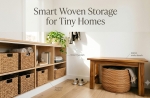
Smart Storage for Tiny Homes: Maximizing Space with Multi-Functional Woven Baskets

Smart Storage for Tiny Homes: Maximizing Space with Multi-Functional Woven Baskets

Executive Brief

  • Minimum Order Quantities (MOQs) in the handicraft and natural homeware sector are not arbitrary sales barriers; they are mathematically dictated by raw material harvesting, industrial curing cycles, and shipping container economics.

  • Unlike injection-molded plastics, artisanal goods made from Acacia wood, bamboo, rattan, seagrass, and water hyacinth require specialized batch setups across both CNC machinery and decentralized craft village networks.

  • Running sub-MOQ batches inflates unit costs through wasted electric kiln capacity, repeated machine recalibration, higher per-unit third-party lab testing fees, and inefficient carton packing.

  • Savvy retail buyers can navigate MOQ constraints by consolidating multiple SKUs within the same material family, leveraging nested basket designs, and partnering with multi-material manufacturers.

  • With a 12,000+ m² facility, 70 in-house technicians, over 2,000 village artisans, and an export capacity of 40–50 40' containers per month, Ngoc Dong Ha Nam Co. structures transparent, volume-optimized MOQs for global retail leaders.

Scandinavian Simplicity Meets Vietnamese Craftsmanship: The Ultimate Hybrid Aesthetic for 2026

Scandinavian Simplicity Meets Vietnamese Craftsmanship: The Ultimate Hybrid Aesthetic for 2026

Executive Brief

  • Minimum Order Quantities (MOQs) in the handicraft and natural homeware sector are not arbitrary sales barriers; they are mathematically dictated by raw material harvesting, industrial curing cycles, and shipping container economics.

  • Unlike injection-molded plastics, artisanal goods made from Acacia wood, bamboo, rattan, seagrass, and water hyacinth require specialized batch setups across both CNC machinery and decentralized craft village networks.

  • Running sub-MOQ batches inflates unit costs through wasted electric kiln capacity, repeated machine recalibration, higher per-unit third-party lab testing fees, and inefficient carton packing.

  • Savvy retail buyers can navigate MOQ constraints by consolidating multiple SKUs within the same material family, leveraging nested basket designs, and partnering with multi-material manufacturers.

  • With a 12,000+ m² facility, 70 in-house technicians, over 2,000 village artisans, and an export capacity of 40–50 40' containers per month, Ngoc Dong Ha Nam Co. structures transparent, volume-optimized MOQs for global retail leaders.

Bohemian Chic in 2026: How to Update the Boho-Style with Structured Acacia Pieces

Bohemian Chic in 2026: How to Update the Boho-Style with Structured Acacia Pieces

Executive Brief

  • Minimum Order Quantities (MOQs) in the handicraft and natural homeware sector are not arbitrary sales barriers; they are mathematically dictated by raw material harvesting, industrial curing cycles, and shipping container economics.

  • Unlike injection-molded plastics, artisanal goods made from Acacia wood, bamboo, rattan, seagrass, and water hyacinth require specialized batch setups across both CNC machinery and decentralized craft village networks.

  • Running sub-MOQ batches inflates unit costs through wasted electric kiln capacity, repeated machine recalibration, higher per-unit third-party lab testing fees, and inefficient carton packing.

  • Savvy retail buyers can navigate MOQ constraints by consolidating multiple SKUs within the same material family, leveraging nested basket designs, and partnering with multi-material manufacturers.

  • With a 12,000+ m² facility, 70 in-house technicians, over 2,000 village artisans, and an export capacity of 40–50 40' containers per month, Ngoc Dong Ha Nam Co. structures transparent, volume-optimized MOQs for global retail leaders.

Third-Party Lab Collaborations: Working with SGS, TUV, and Intertek

Third-Party Lab Collaborations: Working with SGS, TUV, and Intertek

Executive Brief

  • Minimum Order Quantities (MOQs) in the handicraft and natural homeware sector are not arbitrary sales barriers; they are mathematically dictated by raw material harvesting, industrial curing cycles, and shipping container economics.

  • Unlike injection-molded plastics, artisanal goods made from Acacia wood, bamboo, rattan, seagrass, and water hyacinth require specialized batch setups across both CNC machinery and decentralized craft village networks.

  • Running sub-MOQ batches inflates unit costs through wasted electric kiln capacity, repeated machine recalibration, higher per-unit third-party lab testing fees, and inefficient carton packing.

  • Savvy retail buyers can navigate MOQ constraints by consolidating multiple SKUs within the same material family, leveraging nested basket designs, and partnering with multi-material manufacturers.

  • With a 12,000+ m² facility, 70 in-house technicians, over 2,000 village artisans, and an export capacity of 40–50 40' containers per month, Ngoc Dong Ha Nam Co. structures transparent, volume-optimized MOQs for global retail leaders.

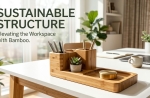
The

The "Home Office" Organization: Elevating Workspace Productivity with Bamboo Organizers

Executive Brief

  • Minimum Order Quantities (MOQs) in the handicraft and natural homeware sector are not arbitrary sales barriers; they are mathematically dictated by raw material harvesting, industrial curing cycles, and shipping container economics.

  • Unlike injection-molded plastics, artisanal goods made from Acacia wood, bamboo, rattan, seagrass, and water hyacinth require specialized batch setups across both CNC machinery and decentralized craft village networks.

  • Running sub-MOQ batches inflates unit costs through wasted electric kiln capacity, repeated machine recalibration, higher per-unit third-party lab testing fees, and inefficient carton packing.

  • Savvy retail buyers can navigate MOQ constraints by consolidating multiple SKUs within the same material family, leveraging nested basket designs, and partnering with multi-material manufacturers.

  • With a 12,000+ m² facility, 70 in-house technicians, over 2,000 village artisans, and an export capacity of 40–50 40' containers per month, Ngoc Dong Ha Nam Co. structures transparent, volume-optimized MOQs for global retail leaders.

Color Blocking in Weaving: 7 Modern Twists on Traditional Techniques

Color Blocking in Weaving: 7 Modern Twists on Traditional Techniques

Executive Brief

  • Minimum Order Quantities (MOQs) in the handicraft and natural homeware sector are not arbitrary sales barriers; they are mathematically dictated by raw material harvesting, industrial curing cycles, and shipping container economics.

  • Unlike injection-molded plastics, artisanal goods made from Acacia wood, bamboo, rattan, seagrass, and water hyacinth require specialized batch setups across both CNC machinery and decentralized craft village networks.

  • Running sub-MOQ batches inflates unit costs through wasted electric kiln capacity, repeated machine recalibration, higher per-unit third-party lab testing fees, and inefficient carton packing.

  • Savvy retail buyers can navigate MOQ constraints by consolidating multiple SKUs within the same material family, leveraging nested basket designs, and partnering with multi-material manufacturers.

  • With a 12,000+ m² facility, 70 in-house technicians, over 2,000 village artisans, and an export capacity of 40–50 40' containers per month, Ngoc Dong Ha Nam Co. structures transparent, volume-optimized MOQs for global retail leaders.

Recovering from a Quality Crisis: 7 Ways a Transparent Factory Fixes Errors

Recovering from a Quality Crisis: 7 Ways a Transparent Factory Fixes Errors

Executive Brief

  • Minimum Order Quantities (MOQs) in the handicraft and natural homeware sector are not arbitrary sales barriers; they are mathematically dictated by raw material harvesting, industrial curing cycles, and shipping container economics.

  • Unlike injection-molded plastics, artisanal goods made from Acacia wood, bamboo, rattan, seagrass, and water hyacinth require specialized batch setups across both CNC machinery and decentralized craft village networks.

  • Running sub-MOQ batches inflates unit costs through wasted electric kiln capacity, repeated machine recalibration, higher per-unit third-party lab testing fees, and inefficient carton packing.

  • Savvy retail buyers can navigate MOQ constraints by consolidating multiple SKUs within the same material family, leveraging nested basket designs, and partnering with multi-material manufacturers.

  • With a 12,000+ m² facility, 70 in-house technicians, over 2,000 village artisans, and an export capacity of 40–50 40' containers per month, Ngoc Dong Ha Nam Co. structures transparent, volume-optimized MOQs for global retail leaders.

Water-Resistance Coatings: 7 Ways We Make Water Hyacinth Practical for Bathroom Use

Water-Resistance Coatings: 7 Ways We Make Water Hyacinth Practical for Bathroom Use

Executive Brief

  • Minimum Order Quantities (MOQs) in the handicraft and natural homeware sector are not arbitrary sales barriers; they are mathematically dictated by raw material harvesting, industrial curing cycles, and shipping container economics.

  • Unlike injection-molded plastics, artisanal goods made from Acacia wood, bamboo, rattan, seagrass, and water hyacinth require specialized batch setups across both CNC machinery and decentralized craft village networks.

  • Running sub-MOQ batches inflates unit costs through wasted electric kiln capacity, repeated machine recalibration, higher per-unit third-party lab testing fees, and inefficient carton packing.

  • Savvy retail buyers can navigate MOQ constraints by consolidating multiple SKUs within the same material family, leveraging nested basket designs, and partnering with multi-material manufacturers.

  • With a 12,000+ m² facility, 70 in-house technicians, over 2,000 village artisans, and an export capacity of 40–50 40' containers per month, Ngoc Dong Ha Nam Co. structures transparent, volume-optimized MOQs for global retail leaders.

Risk Mitigation in 2026: 7 Ways a Diversified Factory Like Ngoc Dong Protects Your Supply Chain

Risk Mitigation in 2026: 7 Ways a Diversified Factory Like Ngoc Dong Protects Your Supply Chain

Executive Brief

  • Minimum Order Quantities (MOQs) in the handicraft and natural homeware sector are not arbitrary sales barriers; they are mathematically dictated by raw material harvesting, industrial curing cycles, and shipping container economics.

  • Unlike injection-molded plastics, artisanal goods made from Acacia wood, bamboo, rattan, seagrass, and water hyacinth require specialized batch setups across both CNC machinery and decentralized craft village networks.

  • Running sub-MOQ batches inflates unit costs through wasted electric kiln capacity, repeated machine recalibration, higher per-unit third-party lab testing fees, and inefficient carton packing.

  • Savvy retail buyers can navigate MOQ constraints by consolidating multiple SKUs within the same material family, leveraging nested basket designs, and partnering with multi-material manufacturers.

  • With a 12,000+ m² facility, 70 in-house technicians, over 2,000 village artisans, and an export capacity of 40–50 40' containers per month, Ngoc Dong Ha Nam Co. structures transparent, volume-optimized MOQs for global retail leaders.

{ "@context": "https://schema.org", "@type": "BlogPosting", "mainEntityOfPage": { "@type": "WebPage", "@id": "https://www.ngocdonghandicrafts.com/blog/understanding-moq-logic-for-artisanal-goods" }, "headline": "Understanding the \"Minimum Order Quantity\" (MOQ) Logic for Artisanal Goods: An Executive Insider’s Guide", "description": "Understand the true manufacturing logic behind Minimum Order Quantities (MOQs) for artisanal wood and woven goods. Learn how B2B buyers optimize sourcing and container loads with Ngoc Dong Ha Nam Co.", "author": { "@type": "Organization", "name": "Ngoc Dong Ha Nam Co.", "url": "https://www.ngocdonghandicrafts.com" }, "publisher": { "@type": "Organization", "name": "Ngoc Dong Ha Nam Co.", "logo": { "@type": "ImageObject", "url": "https://www.ngocdonghandicrafts.com/logo.png" } }, "datePublished": "2026-11-19", "dateModified": "2026-11-19" }
+84912060877