EXECUTIVE SUMMARY: THE STRATEGIC RE-EMERGENCE OF RETRO SILHOUETTES
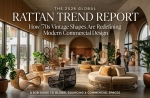
The revival of 1970s rattan shapes in modern commercial design is driven by a global shift toward biophilic aesthetics, nostalgia-infused luxury, and sustainable sourcing. Today's B2B buyers are moving away from cold, minimalist plastics. They want warmth, texture, and soul in their spaces.
Why is this retro aesthetic capturing the market so aggressively now? It is because the bold, organic curves of 70s design offer an emotional connection that linear modernism lacks. Consumers crave tactile comfort in hospitality and residential environments alike.
For global importers and distributors, this shift represents a high-margin opportunity. By integrating retro-inspired rattan furniture into your collections, you can capture the growing premium market segment. This trend is not a passing fad; it is a structural redesign of modern interiors.
Core Market Drivers of the 70s Rattan Revival
- Biophilic Connection: Natural rattan brings the outdoors inside, satisfying the human need for nature.
- Nostalgic Luxury: The warm amber tones and sweeping curves evoke a sense of relaxed, high-end resort living.
- Material Sustainability: Rattan is a fast-growing, renewable resource that appeals directly to eco-conscious consumers.
CURRENT LANDSCAPE: TRACKING THE SHIFT FROM MINIMALISM TO WARM MAXIMALISM
The global demand for 70s-inspired rattan furniture has surged by over 35% in the hospitality and residential import sectors over the past two years. This dramatic rise is documented across major European and North American design fairs. Importers are actively seeking out manufacturers who can replicate these complex, vintage silhouettes.
What is driving this current landscape? A collective exhaustion with sterile, mass-produced synthetic furniture. Designers are looking for authentic materials that tell a story of craftsmanship.
Furthermore, the hospitality sector is leading the charge. Hotels, cafes, and boutique resorts are using statement rattan pieces to create photogenic, highly shareable spaces. The table below highlights how the 70s revival compares to standard modern rattan designs:
|
Feature
|
Standard Modern Rattan
|
70s Vintage Revival Rattan
|
|
Silhouettes
|
Rigid geometric lines, minimalist, boxy shapes.
|
Sweeping curves, radial arches, low-slung profiles.
|
|
Weave Density
|
Tight, uniform machine-like weaves.
|
Bold open-weave, peacock patterns, sunbursts.
|
|
Color Palette
|
Bleached white, uniform natural, or dyed black.
|
Warm honey, amber, and deep cognac tones.
|
|
Material Mix
|
Often paired with cold steel or glass.
|
Paired with premium Acacia wood, brass, or boucle fabric.
|
How can your brand stand out in this competitive landscape? The answer lies in sourcing unique, high-quality designs that showcase true artisanal skill. Mass-produced plastic imitations simply cannot replicate the warmth of genuine hand-woven rattan.
KEY TRENDS: THE THREE PILLARS OF THE MODERN VINTAGE REVIVAL
The three defining trends of the 70s rattan revival are oversized statement seating, sunburst radial weaving, and mixed-material integration with premium hardwoods. These design elements offer high visual impact for commercial spaces. They bridge the gap between vintage charm and modern durability.
1. Oversized Statement Seating
Oversized peacock-style chairs and deep-seated lounge frames are reclaiming center stage in hotel lobbies and upscale residential projects. These iconic shapes act as functional sculptures within a space. Their sweeping, dramatic backs create an instant focal point.
Are these chairs comfortable for daily use? Yes, when paired with high-density foam cushions wrapped in premium performance fabrics like boucle or linen. This combination merges retro aesthetics with modern comfort standards.
2. Sunburst Radial Weaving
Sunburst radial patterns are dominating cabinet doors, headboards, and room dividers. This intricate weaving technique uses natural rattan peel to create a radiating sun effect. It adds a dynamic, artistic texture to flat surfaces.
Why do designers love this technique? It catches light and shadow beautifully, creating a sense of movement in the room. It is a testament to the skill of the weaver, making each piece unique.
3. Hybrid Materiality: Rattan and Acacia Wood
Combining natural rattan with solid Acacia wood frames is the ultimate formula for durable, high-end commercial furniture. While rattan provides flexibility and texture, Acacia wood offers unmatched structural strength. This hybrid approach ensures the furniture can withstand heavy commercial use.
Why is this combination so successful? The deep, rich grain of Acacia complements the warm honey tones of natural rattan perfectly. It creates a sophisticated, multi-textured look that commands premium retail prices.
FUTURE OUTLOOK: SUSTAINABILITY, DURABILITY, AND MARKET EXPANSION
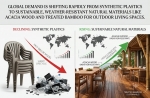
The future of the 70s rattan trend lies in weather-resistant outdoor adaptability and certified sustainable supply chains. Industry forecasts predict that rattan will expand from indoor accent pieces to fully integrated outdoor living collections. Global buyers must prepare for this evolution now.
How will manufacturers achieve outdoor durability without losing the natural look? The secret lies in advanced, eco-friendly natural oil treatments and hybrid weaving techniques. These innovations protect the fibers from UV damage and moisture.
Furthermore, sustainability is no longer just a marketing buzzword. Global regulations and conscious consumers demand absolute transparency in sourcing.
Importers will increasingly favor manufacturers holding BSCI, SMETA, and FSC certifications. Greenwashing is dead, and ethical production is the new standard. Partnering with certified factories is the only way to secure your brand's future in the global market.
STRATEGIC RECOMMENDATIONS: SOURCING SMART AND SECURING YOUR SUPPLY CHAIN
To capitalize on the 70s rattan revival, global buyers should secure partnerships with vertically integrated manufacturers in Vietnam who can balance artisanal weaving with strict international compliance. Do not wait for peak season to place your orders. Lead times are lengthening as demand surges.
How can you ensure a smooth sourcing process? Follow these strategic recommendations to optimize your supply chain:
- Audit Your Suppliers: Ensure your manufacturing partners hold valid BSCI or SMETA audits to guarantee ethical labor practices.
- Prioritize Material Quality: Source only thick-pole natural rattan that has been properly treated against pests and moisture.
- Focus on Hybrid Designs: Invest in collections that combine rattan with Acacia wood for maximum durability and aesthetic appeal.
- Secure Early Production Slots: Place your orders at least six months in advance to avoid peak-season shipping bottlenecks.
By taking these steps, you can position your brand as a leader in the sustainable luxury market. The vintage revival is here to stay, and the opportunities are limitless.
This piece is written by Thong Nguyen, Co-owner & Sales Director at Ngoc Dong Ha Nam Co., Ltd. Drawing on 25+ years of expertise in manufacturing export handicrafts, our team delivers premium bamboo, rattan, water hyacinth, and acacia solutions tailored for global retailers.
FREQUENTLY ASKED QUESTIONS
Why are 70s rattan shapes trending in modern interior design?
70s rattan shapes are trending because they offer a warm, natural contrast to minimalist interiors, satisfying the growing demand for biophilic aesthetics and nostalgic comfort.
Is natural rattan furniture durable enough for commercial hospitality use?
Yes, natural rattan is highly durable for commercial use when built on sturdy solid wood or metal frames and treated with professional-grade protective finishes.
What certifications should B2B buyers look for when sourcing rattan products?
B2B buyers should look for manufacturers with BSCI, SMETA, and FSC certifications to ensure ethical labor practices and responsibly sourced materials.
How can importers prevent moisture damage during shipping?
Importers can prevent moisture damage by ensuring the manufacturer properly kiln-dries the rattan and uses silica gel desiccant packs inside the shipping containers.