EXECUTIVE SUMMARY: THE ECONOMIC POWER OF MULTI-SEASONAL HANDICRAFTS
Sourcing versatile, multi-seasonal handicrafts made from sustainable materials like bamboo, rattan, seagrass, and acacia wood allows global retailers to reduce inventory overhead and meet the rising consumer demand for circular home decor.
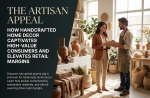
Traditional seasonal retail models rely heavily on high-risk, single-use holiday items. These products often lead to massive post-holiday markdowns. By contrast, transitional handicrafts offer year-round shelf life. They adapt effortlessly to changing seasons. Why stock products that only sell for two months? Smart B2B buyers are shifting their budgets. They now focus on high-quality, adaptable bases. A simple seagrass basket serves as a spring planter. That same basket holds cozy winter throws. This flexibility maximizes your return on investment. It also streamlines your supply chain. Our analysis shows that retailers adopting transitional sourcing models see up to a 30% reduction in end-of-season clearance inventory.
CURRENT LANDSCAPE: THE SHIFT FROM SINGLE-USE PLASTICS TO BIODEGRADABLE DECOR
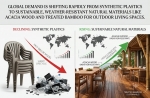
The global home decor market is shifting away from single-use plastic holiday decorations toward biodegradable, natural material handicrafts that seamlessly transition between seasons.
Consumers now demand ecological accountability. They want homes that reflect their values. Plastic pumpkins and synthetic tinsel are losing appeal. Natural textures are winning. Retailers must adapt quickly. This shift is not just ethical. It is highly profitable. Sustainable sourcing reduces regulatory risks in markets like the EU and US. Buyers face strict eco-design regulations. Certifications like FSC, BSCI, and SMETA are no longer optional. They are mandatory entry tickets. Manufacturers in Vietnam, particularly in regions with rich craft histories like Ha Nam, are leading this transition. They combine ancient weaving techniques with modern quality standards. This unique combination ensures both aesthetic beauty and structural durability.
KEY TRENDS: DESIGNING FOR THE FOUR-SEASON LIFECYCLE
Successful seasonal merchandising relies on shifting color palettes and textures—using lightweight seagrass and bamboo for spring/summer and transitioning to dense rattan, dark acacia, and woven water hyacinth for autumn/winter.
Rather than replacing entire collections, designers now recommend a 'layering' approach. Start with a neutral, high-quality base. Then, add seasonal accents. This strategy saves money. It also creates a cohesive brand story. Let us examine how specific natural materials perform across different seasons.
|
Season
|
Primary Materials
|
Design Aesthetics
|
B2B Sourcing Focus
|
|
Spring
|
Seagrass, Bamboo, Light Rattan
|
Pastel tones, open weaves, airy silhouettes
|
Planters, lightweight storage baskets, wall decor
|
|
Summer
|
Water Hyacinth, Seagrass, Acacia Wood
|
Vibrant natural tones, durable outdoor-ready weaves
|
Placemats, serving trays, outdoor lanterns
|
|
Autumn
|
Dark Rattan, Acacia Wood, Coarse Bamboo
|
Earthy tones, dense weaves, rustic finishes
|
Firewood baskets, thick table runners, serving bowls
|
|
Winter
|
Stained Rattan, Acacia, Heavy Water Hyacinth
|
Deep charcoals, rich browns, tight structures
|
Cozy blanket bins, holiday centerpiece bases, heavy trays
|
By understanding these material dynamics, procurement teams can plan their purchasing calendars more effectively. For example, spring production should begin in autumn. This timeline ensures on-time delivery. It also avoids peak-season shipping bottlenecks. Have you aligned your sourcing calendar with these material cycles yet?
FUTURE OUTLOOK: MODULARITY AND HYBRID DESIGNS IN HOME DECOR
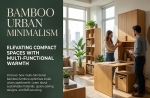
The future of seasonal decor lies in modularity and hybrid designs, where a single base handicraft can be styled differently using removable accents to fit any season.
We predict that by 2028, over 60% of leading global home retailers will feature modular eco-decor in their main catalogs. This trend is driven by urban living spaces. Modern apartments are smaller. Storage space is limited. Consumers cannot store four sets of seasonal decorations. They need one set that does it all. Manufacturers are responding with innovative designs. Think of an acacia wood serving board with interchangeable ceramic inserts. Or a rattan lantern with seasonal glass sleeves. This modular approach benefits retailers. It reduces shipping volumes. It also simplifies warehousing. Furthermore, products with verifiable sustainability credentials will dominate the market. Global buyers must prioritize partners who offer full traceability. From raw material harvesting to final export, every step must be documented.
STRATEGIC RECOMMENDATIONS: OPTIMIZING YOUR B2B SOURCING STRATEGY
Global buyers should partner with vertically integrated manufacturers in Vietnam to co-develop flexible, year-round product lines that reduce logistics costs and maximize retail margins.
To succeed in today's volatile market, you need agility. Do not buy off-the-shelf products. Collaborate on custom designs instead. Look for manufacturers with in-house design teams. They can help you create cohesive, multi-seasonal collections. Additionally, consolidate your vendor base. Working with fewer, highly certified factories reduces communication errors. It also improves quality control. Ngoc Dong Ha Nam offers the perfect partnership. We combine 25+ years of experience with international compliance standards. Our team helps you navigate seasonal transitions effortlessly. Let us build a resilient, sustainable supply chain together.
Authored by Thong Nguyen, Co-owner at Ngoc Dong Ha Nam Co., Ltd. We leverage over two decades of manufacturing experience to provide global retail partners with superior-quality, sustainable handicrafts and furniture solutions crafted from bamboo, rattan, water hyacinth, and acacia wood.
FREQUENTLY ASKED QUESTIONS
How do natural handicrafts transition from summer to winter decor?
Natural handicrafts transition seasons through styling adjustments, such as swapping lightweight summer florals in a rattan basket for cozy winter textiles or rich pinecones.
Which natural materials are most durable for year-round outdoor and indoor use?
Acacia wood and high-quality rattan are the most durable natural materials, offering excellent resistance to wear when properly treated for both indoor and outdoor settings.
What certifications should global buyers look for when sourcing sustainable handicrafts?
Global B2B buyers should prioritize manufacturers with FSC (Forest Stewardship Council), BSCI (Business Social Compliance Initiative), and SMETA certifications to ensure ethical and sustainable production.
How does sourcing multi-seasonal decor improve retail profit margins?
Sourcing multi-seasonal decor improves profit margins by reducing end-of-season clearance markdowns and lowering warehousing costs through year-round inventory rotation.