The Essence of the Coastal Grandmother Trend
The Coastal Grandmother aesthetic relies on seagrass and light wood because these materials perfectly capture the effortless, upscale, and sustainable lifestyle modern consumers crave.
This design movement is not a fleeting social media phase. It represents a permanent shift toward relaxed luxury. Global retailers must adapt to this demand. Designers seek authenticity. Natural materials deliver exactly that.
Why does this style resonate so deeply? It evokes a sense of calm. It brings the serene energy of the coast indoors. For B2B buyers, this translates into a highly profitable product category with year-round appeal.
1. Seagrass Brings Unrivaled Organic Texture
Seagrass woven products inject an immediate, tactile warmth that synthetic alternatives cannot match.
Texture defines this look. Think of hand-woven storage baskets, braided rugs, and textured placemats. These items tell a story of craftsmanship. Did you know that seagrass is naturally water-resistant? This makes it incredibly durable for busy spaces.
Interior designers prioritize tactile feedback. Consumers want to touch their decor. Woven seagrass offers a rich, multi-dimensional surface. It catches the light beautifully. It softens the clean lines of modern coastal architecture.
2. Light Wood Establishes the Sun-Bleached Foundation
Light wood species like acacia and bamboo offer the perfect neutral, sun-bleached foundation required for the Coastal Grandmother color scheme.
Dark, heavy woods feel too formal. Instead, designers seek light, airy tones. Acacia wood, when finished with a light or natural wash, offers stunning grain patterns. It looks effortlessly elegant.
Strength matters too. Acacia is highly durable. It resists warping. This makes it ideal for functional decor like serving trays, small accent tables, and kitchen organization. It balances the softness of woven fibers.
3. Meeting the Demand for Sustainable Luxury
Global consumers choose the Coastal Grandmother style because it aligns with eco-conscious living through rapidly renewable materials like seagrass and FSC-certified woods.
Greenwashing no longer works. Buyers inspect supply chains. Seagrass grows rapidly in coastal wetlands, requiring no chemical fertilizers. Bamboo and acacia offer rapid growth cycles compared to traditional hardwoods. Here is how these materials compare:
|
Material
|
Sustainability Rating
|
Primary Benefit
|
Ideal Application
|
|
Seagrass
|
Excellent
|
Rapidly renewable, water-resistant
|
Baskets, rugs, placemats
|
|
Acacia Wood
|
High
|
Durable, beautiful natural grain
|
Trays, small furniture, bowls
|
|
Bamboo
|
Excellent
|
Highly flexible, fast-growing
|
Organizers, lanterns, frames
|
Sustainable sourcing is a powerful sales argument. It builds brand trust. It justifies premium pricing tiers. Retailers who highlight these eco-friendly credentials see higher conversion rates.
4. Unmatched Versatility Across Home Decor Categories
Seagrass and light wood products offer unparalleled versatility, allowing retailers to cross-sell across multiple categories from kitchenware to living room accents.
A cohesive aesthetic is key. Retailers can curate entire collections using these two materials. Imagine a light acacia wood serving tray paired with seagrass-wrapped glassware. This synergy drives higher average order values.
Designers love this versatility. These pieces fit into coastal, bohemian, or minimalist Scandinavian interiors. They transition easily between seasons. This versatility reduces your inventory risk significantly.
5. High Profit Margins and Market Longevity
Sourcing high-quality seagrass and light wood products offers retailers exceptional profit margins due to their perceived hand-crafted value and timeless appeal.
It is an investment lifestyle. Consumers pay a premium for hand-crafted quality. This reduces markdowns for retailers. Timeless designs ensure year-round sales.
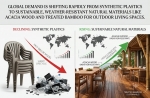
Cheap plastic alternatives are losing market share. Modern buyers want heirloom-quality pieces. Investing in premium natural materials secures your market position. It elevates your brand image.
Sourcing Excellence: Partnering with Certified Manufacturers
Securing a reliable supply chain of compliant, high-quality natural homeware requires partnering with certified manufacturers who hold BSCI, FSC, and SMETA audits.
Certification is non-negotiable. Global retailers need partners with verified compliance to protect their brand reputation. At Ngoc Dong Ha Nam, we merge decades of heritage with world-class quality control. We help you scale your sustainable home decor lines seamlessly.
This article was written by Thong Nguyen – Sales Director at Ngoc Dong Ha Nam Co., Ltd. Combining 25+ years of operational excellence with a deep passion for natural materials, we provide bespoke manufacturing and sourcing solutions for bamboo, rattan, and acacia products to our global partners.
Frequently Asked Questions
Why is seagrass preferred over synthetic materials for coastal decor?
Seagrass is preferred because it offers authentic organic texture, natural water resistance, and superior environmental sustainability that synthetic plastics cannot replicate.
How do you ensure the durability of light wood products in humid environments?
We ensure durability by using high-quality kiln-dried acacia and bamboo treated with moisture-resistant, non-toxic protective coatings suitable for global climates.
What certifications should global buyers look for when sourcing natural homeware?
Global buyers should look for BSCI, FSC, and SMETA certifications to ensure ethical labor practices, legal wood sourcing, and safe manufacturing standards.
Can seagrass and acacia wood products be customized for OEM/ODM orders?
Yes, professional manufacturers can fully customize dimensions, weaving patterns, wood finishes, and packaging to match your brand's specific design requirements.