THE GREEN PREMIUM: WHY SUSTAINABLE HOME DECOR IS NO LONGER A NICHE, BUT A HIGH-MARGIN IMPERATIVE
For decades, the global home decor industry operated on a simple, linear formula: source cheap, sell fast, and maximize volume. However, as we navigate 2026, this legacy model is rapidly collapsing under the weight of shifting consumer values, strict environmental mandates, and unprecedented supply chain volatility. Global B2B buyers, importers, and interior designers are no longer asking if they should transition to sustainable products; they are asking how quickly they can do so without eroding their bottom line. The answer is both surprising and highly lucrative: sustainability is not a cost center—it is the single greatest margin driver of this decade.
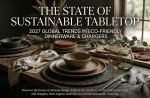
Today's consumers, particularly Millennials and Gen Z, are actively voting with their wallets. According to recent global market analyses, the sustainable home decor market is on an aggressive trajectory, projected to reach $663.9 billion by 2035, growing at a steady compound annual growth rate (CAGR) of 5.5% to 7.9%. This growth is not merely a reflection of volume; it is driven by a willingness to pay a premium for products that tell a story of ecological stewardship and human dignity. For retail buyers, this translates to a powerful phenomenon known as the 'Green Premium.' Eco-friendly products are no longer relegated to dusty, niche corners of the store; they are occupying prime, high-margin shelf space in luxury and mainstream retail alike.
Furthermore, regulatory pressures have transformed sustainable sourcing from a marketing trend into a legal survival mechanism. With the full implementation of the European Union Deforestation Regulation (EUDR) and stricter import standards in North America, non-compliant retailers are facing catastrophic risks, including fines of up to 10% of global turnover, customs seizures, and irreparable brand damage. In this high-stakes environment, sourcing certified, eco-friendly home decor is not just about doing good—it is about protecting your enterprise value, minimizing regulatory risk, and unlocking superior profit margins that traditional, synthetic products can no longer deliver.
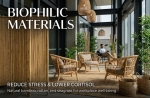
Moreover, the modern consumer's relationship with their home has undergone a fundamental psychological shift. Home is no longer just a physical space; it is a sanctuary, a reflection of personal identity, and a wellness hub. This 'eco-anxiety' has led to a surge in demand for indoor spaces that promote health, tranquility, and connection to nature—a design philosophy known as biophilic design. Synthetic materials, plastics, and volatile organic compound (VOC)-laden furniture are increasingly viewed as health hazards. In contrast, natural, organic, and handcrafted materials are prized for their ability to foster a calming, toxin-free indoor environment. Retailers who fail to recognize this shift are seeing their traditional product lines sit on shelves, subjected to aggressive discounting that destroys profitability. Conversely, brands that lead with authentic, sustainably crafted collections are enjoying rapid sell-through rates and healthy, undiscounted margins.
THE ECONOMICS OF ECO-DESIGN: DECONSTRUCTING HOW NATURAL MATERIALS AND ETHICAL SUPPLY CHAINS REDUCE TOTAL COST OF OWNERSHIP (TCO)
To understand why sustainable home decor drives higher margins, one must look closely at the economics of the raw materials and the production process. Traditional home accessories made from petroleum-based plastics, virgin synthetic fibers, or uncertified MDF are highly vulnerable to global oil price spikes, chemical shortages, and rising carbon taxation. In contrast, fast-growing, renewable natural materials such as Acacia wood, Bamboo, Seagrass, Rattan, and Water Hyacinth offer a level of price stability and supply resilience that synthetic alternatives simply cannot match.
The Power of Renewable Materials
Consider the botanical and economic profiles of these natural materials, which form the backbone of Ngoc Dong Ha Nam's world-class manufacturing portfolio:
- Seagrass and Water Hyacinth: These materials are harvested from coastal areas and waterways where they naturally flourish. Water hyacinth, in particular, is an invasive species that grows at an astonishing rate. By harvesting it, we not only secure a free-flowing supply of highly durable, flexible fiber but also help clear vital waterways, restoring local aquatic ecosystems. This abundance translates to stable raw material costs for B2B buyers, insulated from the macroeconomic shocks affecting petrochemical markets.
- Rattan and Bamboo: Bamboo is legendary for its growth speed—capable of growing up to 3 feet in a single day—and its exceptional tensile strength, which rivals steel. Rattan, a climbing palm, relies on existing forest structures, providing local communities with an economic incentive to preserve standing forests rather than clear-cutting them for agriculture. These materials are lightweight, highly durable, and possess a timeless aesthetic that appeals to modern, minimalist interior design trends.
- Acacia Wood: As a fast-growing hardwood, Acacia is the ideal sustainable alternative to slow-growing, endangered tropical hardwoods. When sourced from responsibly managed, FSC-certified plantations in Vietnam, Acacia provides structural integrity for furniture and servingware while guaranteeing a completely transparent, deforestation-free supply chain that easily passes stringent EUDR audits.
Optimizing the Total Cost of Ownership (TCO)
Beyond raw material stability, the structural design of hand-woven natural decor offers massive logistical advantages. Unlike rigid, heavy plastic or metal furniture, natural fiber baskets, trays, and organizers are naturally lightweight and designed with nesting capabilities. A set of three or five nesting baskets can be shipped inside one another, drastically reducing the volumetric footprint in shipping containers. In an era where ocean freight rates remain unpredictable, the ability to double or triple the number of units per container directly slashes landed costs per unit, boosting retail margins from the very start of the supply chain.
Additionally, sustainable production inherently minimizes waste. In our zero-waste manufacturing facilities, off-cuts of bamboo and acacia are repurposed, and organic waste is channeled back into local agricultural compost. This circular manufacturing philosophy reduces waste disposal fees and resource consumption, allowing us to pass these operational savings directly to our global partners in the form of highly competitive FOB prices.
Comparative Material Efficiency & Margin Potential
To illustrate the tangible business advantages of natural materials over synthetics, let us examine their performance across key supply chain metrics:
|
Material Type
|
Renewability Cycle
|
Supply Chain Volatility
|
Nesting & Freight Efficiency
|
Average Retail Margin Potential
|
|
Seagrass / Hyacinth
|
6 - 12 Months
|
Low (Locally Harvested)
|
Excellent (High Nestability)
|
65% - 75%
|
|
Bamboo / Rattan
|
3 - 5 Years
|
Low to Moderate
|
High (Lightweight, Stackable)
|
60% - 70%
|
|
FSC Acacia Wood
|
7 - 10 Years
|
Low (Certified Plantations)
|
Moderate (Flat-pack Optimized)
|
55% - 65%
|
|
Synthetic Plastics / MDF
|
Non-Renewable
|
High (Petrochemical Linked)
|
Low (Rigid, Heavy)
|
40% - 50%
|
This comparative analysis clearly demonstrates that natural fibers and certified hardwoods do not just benefit the planet—they dramatically outperform synthetic alternatives in freight density, price predictability, and ultimate retail margin potential. By choosing lightweight, nestable, and rapidly renewable materials, global buyers can structurally lower their landed costs while simultaneously commanding premium retail prices.
THE CERTIFICATION ADVANTAGE: TRANSFORMING BSCI, FSC, AND SMETA COMPLIANCE INTO RETAIL PREMIUM POWER
In the premium retail and contract interior design sectors, trust is the ultimate currency. Today's affluent consumers are highly educated; they recognize greenwashing and demand verifiable proof of ethical manufacturing. This is where international certifications transcend mere compliance and become powerful margin-generating assets. When you source home decor certified by the Forest Stewardship Council (FSC), the Business Social Compliance Initiative (BSCI), or Sedex Members Ethical Trade Audit (SMETA), you are purchasing a pre-packaged shield of trust that justifies a significant retail markup.
The Financial Value of Trust
Market data consistently reveals that products bearing credible eco-labels and ethical certifications command a retail price premium of 15% to 25% over uncertified equivalents. For an interior designer specifying a high-end commercial project or a retail buyer curating a seasonal collection, these certifications are powerful selling points. They assure the end-consumer that the elegant rattan lounge chair or the intricately woven seagrass storage basket was produced without exploiting local artisans, without destroying ancient forests, and under safe, fair working conditions.
Let us look at the financial math of compliance versus non-compliance. Under the strict requirements of the EUDR, any wood-based product imported into the EU must feature precise geolocation coordinates of the harvesting site to prove it did not contribute to deforestation. Importers who fail to provide this data face catastrophic penalties, brand blacklisting, and complete inventory write-offs. By partnering with an established, fully compliant manufacturer like Ngoc Dong Ha Nam, you eliminate these existential financial risks entirely. Our robust, blockchain-ready traceability systems and audited supply chains ensure that every shipment arrives at your destination port smoothly, bypassing costly customs delays and regulatory audits.
The Ngoc Dong Ha Nam Difference: Where Heritage Meets Compliance
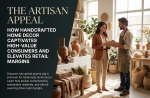
Located in the heart of Ha Nam province, Vietnam, Ngoc Dong Ha Nam has spent decades perfecting the delicate balance between traditional Vietnamese hand-weaving heritage and rigorous international manufacturing standards. We do not view compliance as a bureaucratic hurdle; we view it as a cornerstone of our brand identity and a value-add for our B2B clients. Our factories are fully audited under BSCI and SMETA guidelines, ensuring that our hundreds of skilled local artisans work in safe environments, receive fair wages, and enjoy comprehensive social welfare benefits. This ethical foundation is woven into the very fabric of every product we export, providing your brand with a compelling, authentic story of social responsibility that deeply resonates with modern consumers and drives brand loyalty.
The Marketing ROI: Storytelling that Sells
In the digital age, a product's story is just as important as its physical utility. When you source from Ngoc Dong Ha Nam, you are not just buying wholesale inventory; you are acquiring a rich, compelling narrative that your marketing team can leverage across all digital touchpoints. The journey of a water hyacinth basket—from a wild plant clogging a Vietnamese river to a beautifully hand-woven storage solution in a luxury home—is a powerful story. Sharing this journey through social media, high-definition videos of our artisans, and detailed product origin transparency builds an emotional connection with your customers. This emotional connection reduces customer acquisition costs (CAC), increases customer lifetime value (LTV), and allows your brand to maintain premium pricing even during economic downturns. Consumers are fiercely loyal to brands that stand for something meaningful, and sustainable home decor provides the perfect tangible proof of your brand's values.
Partnering for Profit and Planet: How to Co-Create High-Margin, Sustainable Collections with Ngoc Dong Ha Nam
The transition to a sustainable, high-margin home decor portfolio does not happen overnight, but it is a journey you do not have to walk alone. As your strategic supply chain partner, Ngoc Dong Ha Nam offers comprehensive, end-to-end OEM and ODM services designed to bring your green vision to life with maximum efficiency and profitability. Whether you are a global retail chain looking to transition an entire product line to eco-friendly materials, or an interior designer seeking bespoke, handcrafted installations for a luxury resort, our experienced in-house design and engineering teams are ready to collaborate.
Our Collaborative Roadmap to Higher Margins
When you partner with Ngoc Dong Ha Nam, we guide you through a streamlined, risk-mitigated co-development process:
1. Strategic Material Consultation: We analyze your current product portfolio and identify key areas where synthetic or high-footprint materials can be seamlessly replaced with sustainable alternatives like FSC-certified Acacia, rapid-growth Bamboo, or hand-woven Seagrass and Rattan, optimizing both aesthetic appeal and material cost stability.
2. Value-Engineered Design (OEM/ODM): Our designers work hand-in-hand with your team to create beautiful, functional home accessories and furniture. We focus heavily on value engineering—optimizing product dimensions for nesting, reducing weight without sacrificing structural integrity, and ensuring that every item is optimized for low-cost, high-density shipping.
3. Seamless, Certified Supply Chain Integration: We handle all aspects of quality control, testing, and certification. From providing the precise geolocation data required for EUDR compliance to maintaining our strict BSCI and SMETA standards, we deliver retail-ready products with a complete, transparent audit trail.
Rigorous Quality Assurance and Moisture Control
Sourcing natural materials from tropical regions requires specialized expertise to prevent common quality issues such as mold, warping, and pest infestation during ocean transit. At Ngoc Dong Ha Nam, we have invested heavily in state-of-the-art kiln drying, moisture-control chambers, and eco-friendly treatment facilities. Every basket, tray, and furniture piece undergoes multi-stage moisture testing to ensure it meets the strict humidity standards of North American and European markets. This meticulous attention to detail virtually eliminates return rates and defective inventory claims, protecting your margins and ensuring your customers receive flawless, long-lasting products.
The market is moving rapidly, and the window of opportunity to establish your brand as a leader in sustainable luxury is now. Do not let regulatory changes squeeze your margins or leave your brand behind. Contact Ngoc Dong Ha Nam today to schedule a private consultation with our sustainable supply chain experts, request our latest eco-friendly home decor catalogs, and discover how we can help you build a more profitable, resilient, and beautiful future.
Frequently Asked Questions
How does sourcing sustainable home decor from Vietnam help with EUDR compliance?
Vietnam has proactively adapted to the European Union Deforestation Regulation (EUDR). Ngoc Dong Ha Nam provides comprehensive geolocation data, digital traceability, and FSC-certified wood supply chains, ensuring your imports bypass customs delays and avoid severe non-compliance penalties.
Are natural fiber products like seagrass and water hyacinth durable enough for high-traffic commercial spaces?
Yes. When properly harvested, treated, and woven, natural fibers offer exceptional tensile strength and durability. Ngoc Dong Ha Nam utilizes advanced moisture control and eco-friendly treatment processes to ensure our products resist mold, wear, and environmental stress, making them ideal for both residential and commercial use.
Can we customize designs (OEM/ODM) while maintaining sustainability certifications?
Absolutely. Our in-house design and engineering teams specialize in co-developing custom, value-engineered products that align with your brand's aesthetic while maintaining full FSC, BSCI, and SMETA compliance throughout the manufacturing process.
How do nesting designs reduce overall logistics costs?
Nesting designs allow multiple units of different sizes to be stacked inside one another. This dramatically increases shipping container density, allowing you to ship up to 3x more units per container, which lowers the landed cost per unit and significantly improves retail margins.