Resources/ Blog

How a Boutique Eco-Decor Brand Scaled Into a Global Big-Box Supplier: A Case Study in Sustainable Supply Chain Excellence

Key Takeaways

• Boutique brands must secure BSCI, SMETA, and FSC certifications to qualify as suppliers for global big-box retailers.
• Partnering with certified OEM/ODM manufacturers in Vietnam solves capacity constraints and ensures consistent product quality.
• Maintaining a strict wood moisture content of 8-12% prevents mold and structural damage during international maritime shipping.
• Shifting production from decentralized workshops to centralized factories can reduce product defect rates to under 1.2%.
 

THE BOTTLENECK OF SCALE: WHY BOUTIQUE BRANDS STRUGGLE TO MEET GLOBAL RETAIL STANDARDS

Small home decor brands fail to transition to big-box retail primarily due to supply chain fragmentation, inconsistent product quality, and a lack of international compliance certifications. When a boutique brand secures its first major inquiry from a global retailer, the initial excitement often turns into operational panic. Can your current artisanal workshop produce 10,000 identical bamboo baskets in 45 days? Usually, the answer is no. Scaling up requires more than just passion; it demands industrial-grade reliability.

Global retailers like Target, IKEA, or West Elm operate on strict logistical and ethical parameters. They require partners who can guarantee massive volumes without sacrificing product consistency. For natural materials like rattan, seagrass, and acacia wood, this consistency is notoriously difficult to achieve. Artisanal, decentralized supply chains often suffer from moisture control issues, leading to mold during sea transit. How do you prevent a container load of seagrass baskets from arriving ruined?

Furthermore, compliance is a non-negotiable barrier to entry. Major global buyers will not even review your catalog if your manufacturing partners lack proper certifications. Social and environmental audits are standard industry prerequisites. Without BSCI, SMETA, or FSC certifications, small brands remain locked out of the lucrative big-box market. The problem is simple: boutique brands lack the infrastructure to manage these complex compliance audits on their own.

THE STRATEGIC PIVOT: BUILDING A COMPLIANT, HIGH-CAPACITY MANUFACTURING PARTNERSHIP

Small brands can scale rapidly by partnering with established, certified manufacturers that offer vertical integration, stringent quality control, and ready-to-go compliance audits. To bridge the gap between artisanal design and mass-market retail, a prominent boutique brand pivoted from local workshops to an OEM/ODM manufacturing partner in Vietnam. This strategic move allowed them to leverage pre-existing, world-class production facilities. Instead of building factories from scratch, they plugged into an established ecosystem.

The manufacturer implemented a rigorous raw material standardization process. For example, acacia wood was subjected to advanced kiln-drying chambers to maintain a precise moisture content of 8-12%, eliminating warping and cracking. Rattan and water hyacinth were treated with non-toxic, eco-friendly anti-mold solutions. This level of technical precision is impossible in backyard workshops but standard in industrial-scale facilities. Do you know the exact moisture level of your wooden products before they ship?

Crucially, the manufacturing partner possessed active BSCI (Business Social Compliance Initiative) and FSC (Forest Stewardship Council) certifications. This instantly cleared the compliance hurdle for the brand. The table below illustrates the stark contrast between decentralized artisanal production and a professionalized, big-box-ready supply chain:

Operational Metric

Decentralized Artisanal Production

Certified OEM/ODM Manufacturing Partner

Monthly Capacity

500 - 1,000 units

50,000+ units

Moisture Control

Air-dried (inconsistent, high mold risk)

Kiln-dried & chamber-tested (8-12% moisture)

Compliance Audits

None (failed retailer screenings)

BSCI, SMETA, FSC fully certified

Quality Control

Visual inspection by weavers

AQL 2.5/4.0 standard with dedicated QA teams

Lead Time

90 - 120 days (unpredictable)

45 - 60 days (guaranteed)

By shifting to an industrial partner, the brand transformed its supply chain from a liability into a competitive advantage. They no longer had to worry about factory audits or production delays. This allowed their internal team to focus entirely on marketing, product design, and client relationships.

FROM BOUTIQUE TO BIG-BOX: THE MEASURABLE IMPACT OF SUSTAINABLE SCALING

Transitioning to a certified, large-scale manufacturing model allowed the boutique brand to increase its order capacity by 400% while securing partnerships with top-tier global retailers within 12 months. The results of this supply chain transformation were immediate and profound. Defect rates dropped from a staggering 8.5% to under 1.2%, saving the brand thousands of dollars in chargebacks. More importantly, they successfully passed audits for two of the largest home decor retailers in North America and Europe.

With guaranteed capacity, the brand confidently pitched large-volume collections. They introduced a sustainable home organization line featuring water hyacinth storage baskets and acacia wood serving trays. Because the manufacturing partner utilized FSC-certified wood and ethical labor, the brand could market these products at a premium. Retailers loved the combination of high-volume capability and authentic sustainability. Who says you cannot scale sustainably?

Today, this former boutique brand ships over 100 containers annually. They proved that scaling up does not mean losing your soul; it means choosing the right partners to protect your brand's integrity at scale.

This article is authored by Thong Nguyen – Co-owner & Sales Director at Ngoc Dong Ha Nam Co., Ltd. With 25+ years of experience managing and operating manufacturing facilities for export housewares and handicrafts, we specialize in providing high-quality bamboo, rattan, water hyacinth and natural acacia wood manufacturing solutions for global retail partners.


FREQUENTLY ASKED QUESTIONS

What certifications do global big-box retailers require for home decor suppliers?

Global retailers typically require BSCI (Business Social Compliance Initiative) or SMETA audits for social compliance, and FSC (Forest Stewardship Council) certification for wood and paper products.

How do you prevent mold on natural woven products like seagrass and rattan during shipping?

Mold prevention requires kiln-drying raw materials to a precise moisture level of 8-12%, applying non-toxic anti-mold treatments, and using silica gel desiccant packs inside shipping containers.

What is the minimum order quantity (MOQ) required when scaling up with an industrial manufacturer?

While MOQs vary by product type, industrial manufacturers scaling for global retail typically require a minimum of one 20-foot or 40-foot container per shipment to optimize logistics.

Why is Vietnam a preferred sourcing destination for sustainable home decor?

Vietnam offers a unique combination of abundant natural materials (bamboo, rattan, seagrass, acacia), highly skilled craftsmanship, and advanced certified manufacturing facilities tailored for global export.

 

Other articles

A 12-Month Sourcing Calendar for International Retailers

A 12-Month Sourcing Calendar for International Retailers

Key Takeaways

• Boutique brands must secure BSCI, SMETA, and FSC certifications to qualify as suppliers for global big-box retailers.
• Partnering with certified OEM/ODM manufacturers in Vietnam solves capacity constraints and ensures consistent product quality.
• Maintaining a strict wood moisture content of 8-12% prevents mold and structural damage during international maritime shipping.
• Shifting production from decentralized workshops to centralized factories can reduce product defect rates to under 1.2%.
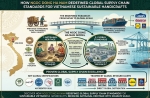
How Ngoc Dong Ha Nam Redefined Global Supply Chain Standards for Vietnamese Sustainable Handicrafts

How Ngoc Dong Ha Nam Redefined Global Supply Chain Standards for Vietnamese Sustainable Handicrafts

Key Takeaways

• Boutique brands must secure BSCI, SMETA, and FSC certifications to qualify as suppliers for global big-box retailers.
• Partnering with certified OEM/ODM manufacturers in Vietnam solves capacity constraints and ensures consistent product quality.
• Maintaining a strict wood moisture content of 8-12% prevents mold and structural damage during international maritime shipping.
• Shifting production from decentralized workshops to centralized factories can reduce product defect rates to under 1.2%.
How to Integrate AI and Automation into Hand-Manufacturing: A Practical Guide for Global Retail Buyers

How to Integrate AI and Automation into Hand-Manufacturing: A Practical Guide for Global Retail Buyers

Key Takeaways

• Boutique brands must secure BSCI, SMETA, and FSC certifications to qualify as suppliers for global big-box retailers.
• Partnering with certified OEM/ODM manufacturers in Vietnam solves capacity constraints and ensures consistent product quality.
• Maintaining a strict wood moisture content of 8-12% prevents mold and structural damage during international maritime shipping.
• Shifting production from decentralized workshops to centralized factories can reduce product defect rates to under 1.2%.
How to Navigate Cultural Nuances: A Guide to Building Long-Term Partnerships with Vietnamese Handcrafted Home Decor Suppliers

How to Navigate Cultural Nuances: A Guide to Building Long-Term Partnerships with Vietnamese Handcrafted Home Decor Suppliers

Key Takeaways

• Boutique brands must secure BSCI, SMETA, and FSC certifications to qualify as suppliers for global big-box retailers.
• Partnering with certified OEM/ODM manufacturers in Vietnam solves capacity constraints and ensures consistent product quality.
• Maintaining a strict wood moisture content of 8-12% prevents mold and structural damage during international maritime shipping.
• Shifting production from decentralized workshops to centralized factories can reduce product defect rates to under 1.2%.
Cut Lead Times by 30%: How Our Strategic Proximity to Hai Phong Port Secures Your Supply Chain

Cut Lead Times by 30%: How Our Strategic Proximity to Hai Phong Port Secures Your Supply Chain

Key Takeaways

• Boutique brands must secure BSCI, SMETA, and FSC certifications to qualify as suppliers for global big-box retailers.
• Partnering with certified OEM/ODM manufacturers in Vietnam solves capacity constraints and ensures consistent product quality.
• Maintaining a strict wood moisture content of 8-12% prevents mold and structural damage during international maritime shipping.
• Shifting production from decentralized workshops to centralized factories can reduce product defect rates to under 1.2%.
The

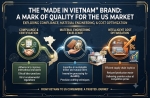
The "Made in Vietnam" Brand: Why it's a mark of quality in the US market

Key Takeaways

• Boutique brands must secure BSCI, SMETA, and FSC certifications to qualify as suppliers for global big-box retailers.
• Partnering with certified OEM/ODM manufacturers in Vietnam solves capacity constraints and ensures consistent product quality.
• Maintaining a strict wood moisture content of 8-12% prevents mold and structural damage during international maritime shipping.
• Shifting production from decentralized workshops to centralized factories can reduce product defect rates to under 1.2%.
Intellectual Property (IP): Protecting your designs when manufacturing overseas

Intellectual Property (IP): Protecting your designs when manufacturing overseas

Key Takeaways

• Boutique brands must secure BSCI, SMETA, and FSC certifications to qualify as suppliers for global big-box retailers.
• Partnering with certified OEM/ODM manufacturers in Vietnam solves capacity constraints and ensures consistent product quality.
• Maintaining a strict wood moisture content of 8-12% prevents mold and structural damage during international maritime shipping.
• Shifting production from decentralized workshops to centralized factories can reduce product defect rates to under 1.2%.
Financial Security: Understanding L/C and T/T payments in Vietnam

Financial Security: Understanding L/C and T/T payments in Vietnam

Key Takeaways

• Boutique brands must secure BSCI, SMETA, and FSC certifications to qualify as suppliers for global big-box retailers.
• Partnering with certified OEM/ODM manufacturers in Vietnam solves capacity constraints and ensures consistent product quality.
• Maintaining a strict wood moisture content of 8-12% prevents mold and structural damage during international maritime shipping.
• Shifting production from decentralized workshops to centralized factories can reduce product defect rates to under 1.2%.
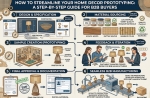
How to Streamline Your Home Decor Prototyping: A Step-by-Step Guide for B2B Buyers

How to Streamline Your Home Decor Prototyping: A Step-by-Step Guide for B2B Buyers

Key Takeaways

• Boutique brands must secure BSCI, SMETA, and FSC certifications to qualify as suppliers for global big-box retailers.
• Partnering with certified OEM/ODM manufacturers in Vietnam solves capacity constraints and ensures consistent product quality.
• Maintaining a strict wood moisture content of 8-12% prevents mold and structural damage during international maritime shipping.
• Shifting production from decentralized workshops to centralized factories can reduce product defect rates to under 1.2%.
How to Vet a Factory's Technical Capability for Complex Home Decor Designs

How to Vet a Factory's Technical Capability for Complex Home Decor Designs

Key Takeaways

• Boutique brands must secure BSCI, SMETA, and FSC certifications to qualify as suppliers for global big-box retailers.
• Partnering with certified OEM/ODM manufacturers in Vietnam solves capacity constraints and ensures consistent product quality.
• Maintaining a strict wood moisture content of 8-12% prevents mold and structural damage during international maritime shipping.
• Shifting production from decentralized workshops to centralized factories can reduce product defect rates to under 1.2%.
{ "@context": "https://schema.org", "@type": "BlogPosting", "headline": "How a Boutique Eco-Decor Brand Scaled Into a Global Big-Box Supplier: A Case Study in Sustainable Supply Chain Excellence", "description": "Learn how boutique home decor brands scale into global big-box retail suppliers by securing compliance audits and partnering with certified manufacturers.", "image": "https://ngocdonghanam.com/placeholder-image.jpg", "author": { "@type": "Organization", "name": "Ngoc Dong Ha Nam" }, "publisher": { "@type": "Organization", "name": "Ngoc Dong Ha Nam", "logo": { "@type": "ImageObject", "url": "https://ngocdonghanam.com/placeholder-image.jpg" } }, "datePublished": "2026-10-03" }
+84912060877