EXECUTIVE SUMMARY: THE GREAT KITCHENWARE TRANSITION
The global kitchenware market is undergoing a massive transition as retail buyers and interior designers phase out plastics in favor of sustainable materials like bamboo and acacia wood to meet strict ESG regulations and consumer demand. This trend report analyzes the structural shift away from petroleum-based synthetics toward rapidly renewable and biodegradable alternatives. As global brands and major retailers pledge to reduce their carbon footprints, the kitchen has become the primary battleground for sustainability. By examining market drivers, material performance metrics, and consumer behavior, this report provides B2B buyers, importers, and designers with the strategic insights necessary to navigate this shifting landscape and optimize their product portfolios for 2027 and beyond.
Historically, plastic dominated the kitchenware sector due to its low cost and ease of mass production. However, the hidden environmental costs—ranging from microplastic contamination in food to centuries-long landfill persistence—have triggered a profound market correction. Today, the demand for natural, non-toxic, and aesthetically pleasing alternatives is no longer a niche preference; it is a mainstream commercial imperative. Bamboo and acacia wood have emerged as the frontrunners in this category, offering a perfect harmony of durability, food safety, and biophilic design appeal.
THE CURRENT LANDSCAPE: WHY PLASTIC IS LOSING ITS GRIP ON THE KITCHENWARE MARKET
Global regulatory bans on single-use plastics and rising consumer eco-consciousness are the primary drivers forcing B2B buyers to seek rapidly renewable alternatives such as bamboo and certified acacia wood. Governments worldwide are tightening regulations on plastics. The European Union's Corporate Sustainability Due Diligence Directive (CSDDD) and various state-level bans in the US have made it increasingly risky for retailers to rely heavily on plastic products. Furthermore, conscious consumers are actively voting with their wallets, demanding transparency in the materials that touch their food daily.
To illustrate the stark contrast between traditional plastics and sustainable alternatives, consider the following performance and environmental matrix:
|
Feature / Metric
|
Traditional Plastic
|
Moso Bamboo
|
Acacia Wood
|
|
Carbon Footprint
|
High (Petroleum-based, high emissions)
|
Negative to Low (Carbon-sequestering grass)
|
Low (Renewable hardwood)
|
|
Durability & Longevity
|
Moderate (Prone to scratching and staining)
|
Very High (Tensile strength higher than steel)
|
High (Water-resistant, self-healing fibers)
|
|
Biodegradability
|
Non-biodegradable (500+ years to break down)
|
100% Biodegradable & Compostable
|
100% Biodegradable & Compostable
|
|
Aesthetic Appeal
|
Industrial, synthetic, prone to fading
|
Warm, minimalist, natural grain
|
Luxurious, unique grain patterns, rustic
|
|
Regulatory Compliance
|
Increasingly restricted (BPA, phthalates concerns)
|
Highly compliant (Natural, food-safe)
|
Highly compliant (Natural, food-safe)
|
As shown above, the material properties of bamboo and acacia wood not only match but frequently exceed those of plastics, particularly in durability and environmental safety. This shift is not merely ethical; it is highly practical for long-term commercial viability.
KEY MATERIALS AND DESIGN TRENDS DOMINATING THE MARKET
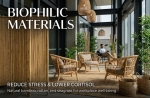
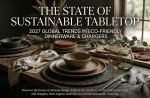
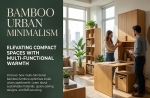
Today's top sustainable kitchenware trends center around minimalist organic aesthetics, multi-functional serving boards, and FSC-certified bamboo and acacia wood utensils that combine durability with food-safe natural finishes. As interior designers and home decorators lean heavily into biophilic design—bringing natural elements indoors—the kitchen is being redefined as a sanctuary of wellness. This has led to several key product trends that global buyers should integrate into their upcoming collections:
1. Multi-Functional Serving and Charcuterie Boards
Acacia wood has become the gold standard for premium serving boards. Its rich, contrasting grain patterns turn everyday kitchen tools into statement pieces of home decor. Buyers are increasingly sourcing oversized, multi-functional boards that transition seamlessly from food preparation to table presentation.
2. Ergonomic Bamboo Utensils and Organizers
Bamboo's incredible strength-to-weight ratio makes it the ideal material for high-use utensils like spatulas, tongs, and salad hands. In the storage category, expandable drawer organizers made of natural bamboo are replacing cheap plastic trays, offering a high-end, clean aesthetic that appeals to modern homeowners.
3. The Rise of Non-Toxic, Food-Safe Natural Finishes
Modern consumers are deeply concerned about chemical leaching. Leading manufacturers are moving away from synthetic lacquers and instead utilizing food-grade mineral oils, beeswax, and water-based coatings. Highlighting these non-toxic finishes is a highly effective marketing strategy for B2B retailers aiming to build trust with health-conscious consumers.
FUTURE OUTLOOK: WHAT TO EXPECT IN SUSTAINABLE KITCHEN SOURCING BY 2030
The future of sustainable kitchenware will be defined by fully traceable, circular supply chains where carbon-neutral manufacturing and third-party certifications like BSCI and FSC are non-negotiable requirements for global retail placement. Over the next decade, greenwashing will no longer be tolerated. Retailers and consumers alike will demand verifiable proof of sustainability. This means that the origin of every bamboo stalk and acacia log must be traceable back to responsibly managed forests.
We anticipate several key developments shaping the market by 2030:
- Mandatory Carbon Labeling: Just as nutritional labels are standard today, kitchenware products will soon carry carbon footprint labels, making low-carbon materials like bamboo highly competitive.
- Circular Design Principles: Products will be designed with their entire life cycle in mind, ensuring they can be easily composted or repurposed at the end of their utility, leaving zero waste behind.
- Technological Integration in Manufacturing: Advanced kiln-drying and carbonization techniques will further enhance the water resistance and lifespan of wooden kitchenware, eliminating the risk of mold and warping even in humid climates.
STRATEGIC RECOMMENDATIONS FOR GLOBAL BUYERS AND IMPORTERS
To mitigate supply chain risks and capture the premium eco-friendly market, global buyers should establish direct partnerships with verified Vietnamese manufacturers who hold international certifications and offer scalable OEM/ODM capabilities. Navigating the transition away from plastic requires a robust sourcing strategy. Relying on unverified middlemen can lead to quality inconsistencies, regulatory non-compliance, and supply chain disruptions.
To build a resilient, sustainable kitchenware portfolio, global importers should implement the following three strategies:
1. Prioritize Verified Certifications: Only partner with manufacturers who can provide official FSC (Forest Stewardship Council) certificates for wood sourcing, alongside BSCI (Business Social Compliance Initiative) or SMETA audits to ensure fair labor practices.
2. Leverage Vietnam's Manufacturing Advantages: Vietnam has emerged as a global hub for sustainable homeware production. The country combines abundant natural resources of bamboo and acacia with deep-rooted artisanal heritage and modern, export-ready factories.
3. Co-Develop Custom ODM Solutions: Work closely with manufacturers' design teams to create exclusive, proprietary designs. Custom laser engraving, unique geometric shapes, and innovative packaging can significantly elevate your brand's market positioning.
By proactively replacing plastic SKU lines with high-quality, certified bamboo and acacia wood alternatives, B2B buyers can stay ahead of regulatory curves, satisfy the demanding modern consumer, and drive sustainable long-term profitability.
This article is authored by Nguyen Huy Thong – Co-owner & Sales Director at Ngoc Dong Ha Nam Co., Ltd. With 25+ years of experience managing and operating manufacturing facilities for export housewares and handicrafts, we specialize in providing high-quality bamboo, rattan, water hyacinth and natural acacia wood manufacturing solutions for global retail partners.
FREQUENTLY ASKED QUESTIONS
Why is bamboo considered a superior alternative to plastic in kitchenware manufacturing?
Bamboo is a rapidly renewable grass that matures in 3-5 years, requiring no pesticides, and possesses natural antimicrobial properties and high tensile strength, making it far more durable and eco-friendly than petroleum-based plastics.
How do acacia wood kitchen products perform in terms of durability and food safety?
Acacia wood is highly durable, naturally water-resistant, and rich in natural oils that prevent warping and cracking, making it an exceptionally safe and long-lasting material for food-contact items like cutting boards and salad bowls.
What certifications should B2B buyers look for when sourcing sustainable wooden kitchenware?
Global buyers should prioritize manufacturers with FSC (Forest Stewardship Council) certification for sustainable forestry, alongside BSCI and SMETA audits to guarantee ethical labor practices and environmental compliance.
Why is Vietnam becoming a preferred sourcing hub for sustainable home decor and kitchenware?
Vietnam offers abundant natural resources like bamboo and acacia, combined with generations of artisanal craftsmanship, competitive trade agreements, and advanced manufacturing facilities capable of meeting strict international standards.