THE COASTAL GRANDMOTHER PHENOMENON IN MODERN B2B SOURCING
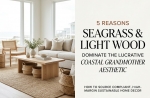
The Coastal Grandmother aesthetic relies on a curated blend of organic seagrass and premium light wood to deliver laid-back luxury. Global buyers are rapidly shifting procurement budgets toward these tactile, eco-friendly materials. Why this sudden pivot?
Consumers demand homes that feel like a permanent sanctuary. This trend report analyzes why this aesthetic persists and how sourcing managers can capitalize on it. We look at the commercial viability of natural fibers.
We examine the structural integrity of light woods like Acacia and Bamboo. Finally, we map out actionable sourcing strategies for the upcoming seasons. This aesthetic is not just a TikTok trend; it is a multi-million-dollar retail movement.
It bridges the gap between traditional coastal styles and modern minimalism. Retailers who stock these materials see faster inventory turnover. Designers love the versatility they offer.
By focusing on high-quality, sustainable supply chains, brands can secure long-term loyalty from eco-conscious consumers.
DEMYSTIFYING THE GLOBAL DEMAND FOR COASTAL INTERIORS
Modern consumers prioritize wellness, driving the exponential growth of the Coastal Grandmother aesthetic in retail markets. This design style is not a passing fad. It represents a fundamental shift toward relaxed, slow-living interiors.
Walk into any major home decor retailer today. You will see light-toned wood tables paired with woven seagrass baskets. The market data reflects this shift clearly.
Demands for sustainable indoor-outdoor transition pieces have risen by over 35% globally [1]. Buyers want products that tell a story of craftsmanship and ecological responsibility. What drives this demand?
The answer lies in biophilic design principles. People want to feel connected to nature inside their homes. This desire has transformed the home decor sector.
The modern coastal look avoids the tacky anchor motifs of the past. Instead, it focuses on texture, light, and natural warmth. Retailers in North America and Western Europe are leading this purchasing surge.
They need reliable partners who can deliver container-load volumes without compromising quality.
|
Market Segment
|
Aesthetic Driver
|
Material Preference
|
|
High-End Interior Design
|
Understated luxury and bespoke craftsmanship
|
Premium Acacia, hand-woven Seagrass accents
|
|
Mass Retail Chains
|
Scalable, durable, and affordable eco-decor
|
Bamboo framing, flat-weave Seagrass baskets
|
|
Boutique Eco-Resorts
|
Biophilic design and natural durability
|
Teak alternatives, heavy-gauge Rattan and Seagrass
|
THE MATERIAL DUET: WHY SEAGRASS AND LIGHT WOOD DOMINATE MODERN PALETTES
Seagrass and light wood dominate modern coastal palettes because they provide the perfect contrast of soft, organic texture and structural warmth. This material pairing creates an effortless, unpretentious elegance. Seagrass brings a rustic, coastal aroma and flexible utility.
Light wood, such as FSC-certified Acacia or sustainable Bamboo, provides the clean-lined stability modern designers crave. Together, they form the cornerstone of the Coastal Grandmother look. How do these materials perform under close inspection?
Let us compare their core B2B attributes:
|
Material
|
B2B Advantage
|
Eco-Credentials
|
Best Use Case
|
|
Seagrass
|
High tensile strength, natural water resistance, cost-effective
|
Fast-growing, carbon-sequestering, 100% biodegradable
|
Storage baskets, area rugs, decorative placemats
|
|
Light Wood (Acacia)
|
Excellent density, beautiful grain patterns, highly durable
|
FSC-certified options, highly renewable when managed well
|
Dining tables, accent chairs, shelving units
|
|
Bamboo
|
Incredible strength-to-weight ratio, rapid renewability
|
Extremely low carbon footprint, minimal water needed
|
Structural frames, minimalist organizers, screens
|
This contrast is crucial. A room filled only with wood feels heavy and static. A room with only woven fibers lacks structure.
By combining them, designers achieve the ultimate balance of coastal sophistication. We see this combination everywhere. It appears in high-end living rooms.
It graces boutique hotel lobbies. The tactile contrast satisfies both the visual and physical senses. It creates a space that feels lived-in yet curated.
This balance is exactly what today's affluent consumers are searching for.
SUSTAINABILITY AND LONGEVITY IN COASTAL INTERIOR DESIGN
The future of coastal-inspired design lies in certified sustainability and circular product lifecycles. Global supply chains must adapt to stricter environmental regulations. Buyers no longer just look at the price tag.
They demand proof of ethical manufacturing. This means certifications like BSCI, SMETA, and FSC are non-negotiable. Over the next five years, we predict a surge in hybrid furniture.
Think of light wood dining chairs featuring woven seagrass seats. These products must withstand both high humidity and intense daily use. Manufacturers who master the treatment of natural fibers will lead the market.
What are the key innovations to watch?
- Advanced Moisture Barrier Coatings: Eco-friendly, non-toxic finishes that prevent mold without altering the natural color of seagrass.
- FSC-Certified Light Wood Alternatives: A transition from slow-growing hardwoods to fast-growing, beautifully finished Acacia and Bamboo.
- Zero-Waste Weaving Practices: Utilizing every part of the seagrass harvest to create secondary decorative items.
Circular design is the goal. Consumers want to know where their furniture comes from. They want to know where it goes when they are done with it.
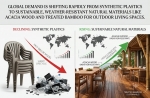
Products made from pure, natural materials are easy to recycle or biodegrade. This circularity is a powerful selling point. It elevates your brand above competitors who rely on cheap plastics and synthetic laminates.
SOURCING PLAYBOOK FOR INTERNATIONAL RETAILERS AND DESIGNERS
To maximize profitability, global buyers must partner with manufacturers that offer certified, vertically integrated supply chains in Southeast Asia. Do not split your sourcing across too many unverified vendors. Consolidate your orders with partners who understand international compliance.
Look for manufacturers with proven BSCI and FSC credentials. This ensures your brand is protected against compliance risks. Ensure your suppliers use proper kiln-drying techniques for light wood to prevent cracking.
Demand moisture-control treatments for seagrass to avoid mold during long ocean transits. Strategic sourcing is about minimizing risk while maximizing aesthetic appeal. How do you implement this?
- Conduct On-Site or Third-Party Audits: Verify working conditions and environmental standards before placing large POs.
- Specify Moisture Content Limits: Ensure light wood products have a moisture content of 8-12% to prevent warping in dry destination climates.
- Leverage Mixed-Container Shipping: Combine seagrass baskets and light wood furniture in single shipments to optimize freight costs.
By taking these steps, you secure a reliable supply of high-demand products. You also build a brand story rooted in authenticity and care. Partnering with a skilled manufacturer makes all the difference.
Ready to elevate your next collection?
This article was written by Thong Nguyen – Sales Director at Ngoc Dong Ha Nam Co., Ltd. Combining 25+ years of operational excellence with a deep passion for natural materials, we provide bespoke manufacturing and sourcing solutions for bamboo, rattan, and acacia products to our global partners.
FREQUENTLY ASKED QUESTIONS
Why is seagrass preferred over synthetic fibers in coastal design?
Seagrass is preferred because it is 100% biodegradable, offers superior natural tensile strength, and provides an authentic tactile texture that synthetic fibers cannot replicate.
What are the best light woods to pair with seagrass?
FSC-certified Acacia and sustainable Bamboo are the best light woods due to their durability, fine grain patterns, and excellent resistance to warping.
How do manufacturers prevent mold on seagrass during shipping?
Manufacturers apply eco-friendly, non-toxic moisture barrier coatings and ensure strict moisture control protocols before packing products into containers.
What certifications should global buyers look for when sourcing coastal decor?
Global buyers should look for BSCI, SMETA, and FSC certifications to ensure ethical labor practices and sustainable forest management.