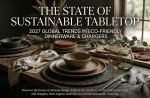
Executive Summary: The Green Revolution and the Compliance Imperative
The global market for home decor, tableware, and kitchenware is undergoing a profound paradigm shift. Driven by a rising consumer consciousness regarding environmental preservation and personal wellness, the demand for sustainable, natural materials has reached unprecedented heights. Today's consumers are actively rejecting synthetic plastics, single-use petroleum-based products, and toxic chemical additives. Instead, they are embracing the organic elegance and warmth of natural materials such as Acacia wood, Bamboo, Seagrass, Rattan, and Water Hyacinth.
For global B2B procurement managers, retail buyers, and interior designers, this transition represents a massive commercial opportunity. However, importing and distributing natural tableware is fraught with regulatory complexities. Because these products come into direct contact with food, they are classified under global legal frameworks as Food Contact Materials (FCM). To successfully bring these products to market in the United States and the European Union, businesses must navigate a highly rigorous web of compliance standards.
The US Food and Drug Administration (FDA) and the European Union's Framework Regulation (EC) No 1935/2004 establish strict boundaries to ensure that natural materials do not compromise human health or alter the food they touch. This comprehensive Trend Report provides an in-depth analysis of the current FCM regulatory landscape, highlights critical compliance trends for 2026, and offers strategic recommendations to help global brands secure a compliant, sustainable, and highly competitive supply chain.
The Current Regulatory Landscape: Unpacking FDA and EU 1935/2004
Understanding Global Standards for Food Contact Materials
To successfully navigate the global market, sourcing professionals must possess a granular understanding of the two primary regulatory pillars governing Food Contact Materials: the United States FDA framework and the European Union's harmonized standards.
The United States FDA Framework (21 CFR)
In the United States, the FDA regulates FCMs under Title 21 of the Code of Federal Regulations (21 CFR). For wooden and natural fiber tableware, several specific sections are highly critical:
- 21 CFR 178.3800 (Preservatives for Wood): Any preservatives used to treat wood to prevent pest infestation or decay must be thoroughly vetted and approved.
- 21 CFR 175.300 (Resinous and Polymeric Coatings): Any coatings, lacquers, varnishes, or adhesives applied to the surface of Acacia wood, bamboo, or rattan to enhance durability and water resistance must strictly comply with this section. The FDA requires that all substances used in these coatings are either Generally Recognized as Safe (GRAS) or explicitly approved as indirect food additives.
The European Union Framework (Regulation EC No 1935/2004)
Across the Atlantic, the European Union enforces a highly sophisticated and stringent framework. The cornerstone of European food safety is Regulation (EC) No 1935/2004. Article 3 of this regulation establishes the fundamental principle for all FCMs:
Materials must be manufactured in compliance with Good Manufacturing Practice (GMP) so that, under normal or foreseeable conditions of use, they do not transfer their constituents to food in quantities which could endanger human health, bring about an unacceptable change in the composition of the food, or bring about a deterioration in the organoleptic characteristics (taste, odor, and appearance) of the food.
In addition to this framework, Regulation (EC) No 2023/2006 mandates that manufacturers implement a comprehensive quality assurance and quality control system throughout the entire production cycle. Unlike plastics, which are subject to highly harmonized EU-wide measures under Regulation (EU) No 10/2011, natural materials like wood, rattan, and bamboo are often governed by a combination of general EU rules and specific national legislation. For instance, the German Federal Institute for Risk Assessment (BfR) and the French Directorate-General for Competition, Consumer Affairs and Prevention of Fraud (DGCCRF) have established highly detailed national guidelines for wooden articles in contact with food.
These guidelines require rigorous laboratory testing to verify the absence of harmful chemical residues, including pentachlorophenol (PCP), formaldehyde, heavy metals (such as lead, cadmium, mercury, and chromium), and specific migration of organic compounds. Failure to comply with these regulations can result in severe consequences for global buyers, including costly customs seizures at major ports of entry, mandatory product recalls that damage brand reputation, and significant financial penalties. Therefore, verifying compliance through accredited third-party testing is a fundamental prerequisite for any successful B2B sourcing strategy.
Key Trends Shaping Sustainable Food Contact Materials
Transformative Shifts in the Eco-Friendly Tableware Market
Several transformative trends are reshaping the sustainable tableware and kitchenware industry, driving B2B buyers to seek out highly compliant, natural manufacturing partners.
1. The Definitive Crackdown on Plastic-Bamboo Composites
For years, many products marketed as "eco-friendly bamboo tableware" were actually made of melamine plastic filled with ground bamboo fibers. European regulatory bodies, including the European Food Safety Authority (EFSA), determined that these hybrid materials often release toxic levels of formaldehyde and melamine when exposed to hot liquids or acidic foods. Consequently, the EU has implemented strict bans on these composite materials. This has catalyzed a massive market correction, redirecting global demand toward 100% solid, natural materials. Sourcing managers are now focusing exclusively on pure, sustainably harvested Acacia wood, solid bamboo, and hand-woven rattan and seagrass.
2. Innovation in Non-Toxic, Food-Safe Coatings
To protect natural wood from moisture, staining, and cracking, manufacturers have traditionally relied on solvent-based varnishes. However, modern compliance standards and consumer preferences have forced a transition toward food-grade, water-based lacquers, natural plant oils (such as tung oil and linseed oil), and organic beeswax. These advanced finishes provide superior durability while ensuring zero chemical migration into food.
3. The Convergence of Chemical Safety and Social Responsibility
Global buyers are no longer auditing suppliers solely for chemical compliance; they demand holistic supply chain transparency. This means FCM testing must be paired with international certifications such as the Forest Stewardship Council (FSC) for responsible forestry, and the Business Social Compliance Initiative (BSCI) or SMETA for ethical labor practices. At Ngoc Dong Ha Nam, we have observed that buyers who integrate these multi-layered compliance requirements into their sourcing criteria experience significantly higher customer loyalty and stronger brand equity.
Future Outlook: The Next Wave of Global Compliance (2026–2030)
Anticipating Regulatory Changes and Technical Innovations
Looking ahead, the regulatory environment for Food Contact Materials will only become more stringent, demanding proactive adaptation from both manufacturers and buyers.
The Elimination of PFAS ("Forever Chemicals")
Historically used to provide water and grease resistance to various packaging and tableware products, per- and polyfluoroalkyl substances (PFAS) are facing comprehensive bans across numerous US states and EU member states. This will require natural tableware manufacturers to guarantee that all coatings and moisture barriers are 100% PFAS-free.
Digital Product Passports (DPP)
The European Union's Ecodesign for Sustainable Products Regulation (ESPR) is set to introduce Digital Product Passports (DPP). This initiative will mandate complete traceability for consumer goods, requiring brands to provide digital access to information regarding product sustainability, material composition, and regulatory compliance—including FCM test reports.
Technological Upgrades in Vietnam's Manufacturing Sector
To thrive in this highly regulated future, forward-thinking manufacturers in Vietnam are investing heavily in technological upgrades. At Ngoc Dong Ha Nam, we are leading this transition by implementing advanced, automated drying kilns that precisely control the moisture content of wood and bamboo (maintaining a target range of 8% to 12%). This scientific approach eliminates the risk of mold and pest infestation without relying on harmful chemical preservatives, ensuring our products naturally meet the highest global food safety standards. Furthermore, the establishment of clean-room coating facilities prevents any airborne cross-contamination during the finishing process, guaranteeing that every item leaving our factory is safe for global dining tables.
Strategic Recommendations for Global B2B Sourcing Managers
A Proactive Roadmap to Secure Your Supply Chain
For global B2B sourcing managers, retail category buyers, and interior designers, mitigating regulatory risk while maintaining a steady supply of high-quality, sustainable products requires a structured, proactive approach. We recommend implementing the following strategic roadmap:
- Establish a Rigorous Vendor Pre-Qualification Process: Before entering into a partnership, demand that the manufacturer provide a comprehensive Declaration of Compliance (DoC) for EU markets or a detailed Letter of Guarantee for US markets. These documents must explicitly state that the products comply with Regulation (EC) No 1935/2004 or FDA 21 CFR standards.
- Verify Third-Party Testing: Ensure that all testing has been conducted by internationally recognized, accredited third-party laboratories such as SGS, TÜV Rheinland, or Intertek. The test reports must be recent (typically within the last 12 months) and must utilize appropriate food simulants (such as 3% acetic acid for acidic foods, 10% ethanol for alcoholic foods, and olive oil or synthetic equivalents for fatty foods) under realistic contact times and temperatures.
- Audit Production Facilities for GMP: A compliant factory must have clearly segregated storage areas for food-safe raw materials, a robust moisture control protocol to prevent biological contamination, and a well-documented quality management system (such as ISO 9001).
- Leverage Direct Sourcing: By partnering with an experienced exporter like Ngoc Dong Ha Nam, you gain access to a dedicated compliance team, fully traceable raw material supply chains (including FSC-certified bamboo and acacia), and state-of-the-art manufacturing facilities. This direct-to-manufacturer relationship not only optimizes your procurement costs but also provides absolute peace of mind, ensuring your brand is fully protected against regulatory liabilities.
Frequently Asked Questions
What is the difference between FDA and EU regulations for wooden food contact materials?
The US FDA regulates wooden tableware under 21 CFR, focusing heavily on approved wood preservatives (21 CFR 178.3800) and resinous/polymeric coatings (21 CFR 175.300). The EU regulates food contact materials under Framework Regulation (EC) No 1935/2004, which mandates that materials do not transfer constituents to food in harmful quantities. Since there is no harmonized EU-wide regulation specifically for wood, individual member states (like Germany and France) enforce national laws requiring migration testing for heavy metals, formaldehyde, and pentachlorophenol (PCP).
Why was bamboo-melamine tableware banned in the EU, and what are the safe alternatives?
Bamboo-melamine plastic composites were banned in the EU because they release toxic levels of formaldehyde and melamine when exposed to heat or acidic foods, posing severe health risks. Safe, fully compliant alternatives include 100% solid, natural materials such as sustainably harvested Acacia wood, pure bamboo, and hand-woven rattan, finished with food-grade water-based lacquers or natural oils.
What testing is required for natural materials like Acacia wood and Seagrass to meet EU 1935/2004?
Testing requirements typically include overall migration tests, specific migration of heavy metals (lead, cadmium, etc.), formaldehyde release limits, pentachlorophenol (PCP) content for wood, and sensory testing to ensure the material does not alter the taste or smell of food.
How can B2B buyers verify if a Vietnamese manufacturer is compliant with FCM regulations?
Buyers should request a formal Declaration of Compliance (DoC), review recent third-party test reports from accredited labs (SGS, TÜV, Intertek), and check if the manufacturer operates under Good Manufacturing Practices (GMP) and holds relevant certifications like ISO 9001, FSC, BSCI, or SMETA.