EXECUTIVE SUMMARY: THE GREEN REVOLUTION IN TABLETOP DESIGN
The future of tabletop design is defined by zero-waste materials, circular supply chains, and carbon-neutral manufacturing processes that meet stringent global compliance standards.
Retailers face intense pressure from both consumers and regulatory bodies. Single-use plastics are rapidly being phased out worldwide. This report analyzes how eco-friendly dinnerware and chargers are transforming from niche novelties into high-volume commercial essentials. We examine shifting material preferences, regulatory drivers, and supply chain strategies. Why does this matter? Buyers must adapt now. The transition is fast. Brands failing to offer sustainable table settings risk losing market share to agile, eco-conscious competitors.
THE CURRENT LANDSCAPE: REGULATORY DRIVERS AND CONSUMER DEMANDS
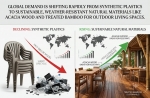
Global demand for eco-friendly tabletop products is surging due to strict plastic bans and a massive shift in consumer preferences toward sustainable dining experiences.
Single-use plastics are disappearing. Governments worldwide are enforcing strict bans on non-biodegradable plastics. This regulatory shift forces hospitality brands and home decor retailers to seek immediate alternatives. What drives this change? Conscious consumerism is no longer a trend. It is a baseline expectation. Interior designers and commercial buyers are actively sourcing products that tell a story of environmental stewardship. Brands must prove their green credentials. Transparency is key. Supply chains are under intense scrutiny. The table below compares traditional materials with sustainable alternatives to highlight why natural fibers and responsibly sourced wood are winning the market.
|
Material Category
|
Environmental Impact
|
Durability
|
Aesthetic Appeal
|
Biodegradability
|
|
Traditional Plastics / Melamine
|
High carbon footprint, non-biodegradable
|
High
|
Low/Synthetic
|
None
|
|
Ceramic / Glass
|
High energy consumption during firing
|
Medium-High
|
High/Classic
|
None
|
|
Natural Fibers (Rattan, Bamboo)
|
Low carbon footprint, renewable
|
Medium-High
|
Organic/Premium
|
100% Biodegradable
|
|
Acacia Wood
|
Carbon-sequestering, highly durable
|
Very High
|
Warm/Luxury
|
100% Biodegradable
|
KEY TRENDS: ORGANIC TEXTURES, ACACIA WOOD, AND MIXED MATERIALS
The dominant trends shaping eco-friendly dinnerware and chargers revolve around raw organic textures, mixed-material compositions, and certified sustainable manufacturing.
Natural aesthetics dominate modern dining. Buyers are moving away from sterile, uniform designs. They want tactile experiences. Woven seagrass, water hyacinth, and rattan chargers bring warmth to the table. These materials offer unique imperfections. No two pieces are identical. This uniqueness sells. Acacia wood provides unmatched durability and rich grain patterns. It is perfect for heavy-duty commercial use. Bamboo offers lightweight versatility. Both are highly renewable. Designers are blending materials. Think acacia plates paired with woven rattan charger plates. The contrast is stunning. It creates a multi-dimensional table setting that captivates diners.
Why Material Selection Matters
- Acacia Wood: Naturally antibacterial, water-resistant, and highly durable for daily commercial use.
- Seagrass & Water Hyacinth: Rapidly renewable coastal plants that support rural farming communities.
- Rattan & Bamboo: Strong, flexible fibers that offer endless design possibilities from rustic to modern minimalist.
FUTURE OUTLOOK: CIRCULAR DESIGN AND FULL TRACEABILITY
By 2030, the global tabletop market will transition completely to regenerative materials like fast-growing bamboo, seagrass, and FSC-certified acacia wood.
Circular design will become standard. Products must be designed with their end-of-life in mind. Landfills cannot sustain our current waste levels. Compliance will tighten. Buyers will demand full traceability. Where did the fiber grow? Who harvested it? Under what conditions? These questions will shape procurement decisions. The market is shifting from purely aesthetic choices to deep supply chain accountability. Businesses that proactively secure sustainable supply chains today will dominate the market tomorrow.
THE GROWTH TRAJECTORY OF ECO-FRIENDLY MATERIALS
- Rapidly Renewable Fibers: Expected to see a 15% compound annual growth rate in the tabletop sector.
- FSC-Certified Woods: Becoming the mandatory standard for premium European and North American retailers.
- Zero-Waste Production: Factories utilizing 100% of raw materials, converting offcuts into smaller accessories or bioenergy.
STRATEGIC RECOMMENDATIONS: NAVIGATING SOURCING AND COMPLIANCE
Global buyers must diversify their sourcing portfolios by partnering with certified manufacturers in Southeast Asia who possess BSCI, SMETA, and FSC credentials.
Sourcing sustainably requires due diligence. Greenwashing is a major risk. Buyers must demand verified certifications. Look for BSCI and SMETA. These guarantee ethical labor practices. Ensure wood products carry the FSC mark. This proves responsible forest management. Partner with experienced manufacturers. Ngoc Dong Ha Nam combines 25+ years of craft heritage with modern compliance. We help global brands transition seamlessly to green product lines. Act now. Secure your supply chains. The green transition is accelerating.
Authored by Thong Nguyen, Co-owner at Ngoc Dong Ha Nam Co., Ltd. We leverage over two decades of manufacturing experience to provide global retail partners with superior-quality, sustainable handicrafts and furniture solutions crafted from bamboo, rattan, water hyacinth, and acacia wood.
FREQUENTLY ASKED QUESTIONS
What are the most durable eco-friendly materials for charger plates?
FSC-certified acacia wood and tightly woven rattan or seagrass are the most durable eco-friendly materials for charger plates due to their natural resilience and long lifespan.
How can B2B buyers verify the sustainability of tabletop manufacturers?
B2B buyers can verify sustainability by demanding recognized international compliance certifications such as BSCI, SMETA, and FSC from their manufacturing partners.
Are woven water hyacinth and seagrass chargers safe for commercial dining?
Yes, woven water hyacinth and seagrass chargers are safe for commercial dining when treated with food-safe, non-toxic protective coatings to resist moisture and heat.
Why is acacia wood preferred over traditional plastics for eco-friendly dinnerware?
Acacia wood is preferred over plastics because it is a highly durable, carbon-sequestering natural material that is 100% biodegradable and offers a premium, unique grain aesthetic.