Discover expert insights and practical solutions on market compliance, audit workflows, and quality assurance. Empower your business to mitigate risks, optimize operations, and meet global standards.
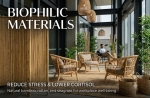
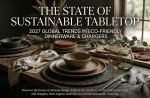
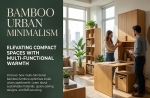
Explore cutting-edge advancements in material science and sustainable engineering. Discover how eco-friendly materials and circular economy strategies are transforming global manufacturing
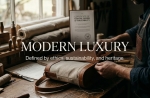
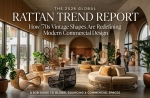
Explore the latest design trends and visual aesthetics shaping modern products and interiors. Discover how organic styles, natural materials, and minimalist forms are redefining everyday living spaces.
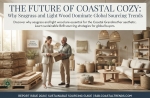
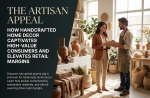
Explore the rich regional heritage of Ninh Binh and the generations of craftsmanship behind traditional natural handicrafts. Discover how local culture shapes modern sustainable houseware design.
Wabi-Sabi: Embracing the beautiful imperfections of handcrafted goods.
The New Paradigm of Luxury: Authenticity Over Perfection
In the fast-paced, hyper-digital world of modern commerce, a profound shift is occurring in the spaces we inhabit. Global buyers, interior designers, and end-consumers are collectively turning away from the sterile, cookie-cutter precision of mass-produced goods. Instead, they are seeking soul, narrative, and warmth. Welcome to the era of Wabi-Sabi in global home decor.
Rooted in ancient Japanese philosophy,Wabi-Sabiis the elegant appreciation of the imperfect, the impermanent, and the incomplete. For B2B buyers and world-class interior designers, this is no longer a niche aesthetic; it is a driving market force. Today's conscious consumers crave environments that ground them, spaces that tell a story of natural origins and human touch. They find luxury not in flawless symmetry, but in the authentic, tactile reality of handcrafted goods.
As global supply chains evolve, the definition of premium quality is being rewritten. It is no longer about identical, factory-stamped clones. It is about character. For B2B buyers, understanding and leveraging this psychological shift is crucial for future-proofing your product lines. The modern home is a sanctuary, a place of grounding amidst digital fatigue. Wabi-Sabi provides the exact atmospheric antidote consumers are desperate for.
As the Marketing Director and Sustainable Supply Chain Consultant for Ngoc Dong Ha Nam, I have witnessed firsthand how this philosophy is reshaping procurement strategies worldwide. The beautiful imperfections found in natural materials are not defects to be hidden; they are the very signatures of authenticity that your clients are searching for. Let us explore how embracing Wabi-Sabi can elevate your product offerings, captivate the global market, and align your brand with the pinnacle of sustainable living.
The Material Language of Wabi-Sabi: Nature's Unique Fingerprint
To truly integrate the Wabi-Sabi aesthetic into your collections, one must understand the language of natural materials. In the realm of high-end home decor, the slight variations in color, texture, and form are what transform a simple piece of furniture or decor into a bespoke work of art. At Ngoc Dong Ha Nam, we work intimately with nature's finest offerings, each bringing its own unique interpretation of beautiful imperfection.
Acacia Wood:Renowned for its durability and striking grain patterns, Acacia is a testament to the passage of time. No two cuts are identical. The natural knots, swirling grains, and subtle tonal shifts from warm honey to deep mahogany tell the story of the tree's life, offering a grounding, earthy presence in any interior space.
Bamboo:Often celebrated for its rapid renewability, bamboo's true Wabi-Sabi charm lies in its nodes and natural color variations. When expertly crafted, the slight irregularities in thickness and the organic transitions between joints celebrate the raw, unyielding beauty of the natural world, perfect for minimalist and biophilic designs.
Seagrass and Water Hyacinth:These aquatic plants offer an unparalleled textural depth. Consider the journey of Water Hyacinth. Once considered a mere waterway weed, sustainable harvesting transforms it into a highly sought-after material. The thick, spongy stems are dried under the tropical sun, yielding a robust fiber that weavers braid into intricate baskets and rugs. The slight variations in thickness along a single braid are not errors; they are the rhythmic breathing of the material itself. Similarly, sun-dried seagrass exhibits a spectrum of earthy hues—from soft greens to golden browns. The subtle inconsistencies in the weave, a direct result of the artisan's hand, provide a tactile richness that machine-loomed synthetic fabrics can never replicate.
Rattan:A climbing palm boasting an incredible strength-to-weight ratio, rattan's inherent flexibility allows for organic, sweeping curves. When shaped by heat and human hands, it exhibits a natural variance in its skin—tiny marks and color gradients that prove its organic origin. The gentle, natural asymmetry of woven rattan furniture evokes a sense of relaxed sophistication, bridging the gap between indoor comfort and outdoor vitality.
For interior designers, these materials offer a versatile palette to create spaces that feel lived-in, welcoming, and deeply connected to nature. For retail buyers, educating your consumers on these natural variances—framing them as exclusive, one-of-a-kind features rather than flaws—creates a powerful, emotionally resonant unique selling proposition (USP). The human touch embedded in every woven strand or carved surface speaks directly to the Wabi-Sabi ethos, celebrating the artisan's journey as much as the final product.
Scaling Authenticity: The Intersection of Wabi-Sabi and Sustainable Compliance
A common hesitation among global B2B buyers is the perceived risk of sourcing 'imperfect' handcrafted goods. How does one scale authenticity without compromising on quality control? How do you ensure that the Wabi-Sabi aesthetic does not cross the line into structural unreliability? This is where Ngoc Dong Ha Nam bridges the gap between artisanal heritage and world-class supply chain management.
Embracing Wabi-Sabi does not mean abandoning standards; rather, it requires a more sophisticated, nuanced approach to quality assurance. We meticulously curate the natural imperfections that enhance beauty—like a unique wood grain or a varied seagrass hue—while strictly eliminating any flaws that would compromise durability or function. Our role as your Sustainable Supply Chain Consultant is to mitigate risk while maximizing aesthetic value. We employ advanced moisture control technologies and eco-friendly treatments to ensure that natural materials are protected against mold and structural degradation. We define precise tolerance levels for aesthetic variance so that your shipments are consistent in quality, even as they are unique in appearance. This meticulous balancing act is what separates a world-class supplier from a standard vendor.
Furthermore, true Wabi-Sabi is inherently tied to a deep respect for nature, which aligns seamlessly with modern demands for sustainable and ethical sourcing. Your discerning clientele demands transparency, and we provide it through rigorous international certifications:
FSC Certification:Our commitment to responsible forestry ensures that materials like Acacia and Bamboo are harvested in a way that preserves biological diversity and benefits the lives of local people and workers. When you source FSC-certified products, you are weaving a narrative of environmental stewardship into your Wabi-Sabi collections.
BSCI and SMETA Compliance:The beauty of a handcrafted item is intrinsically linked to the well-being of the hands that made it. Our adherence to the Business Social Compliance Initiative (BSCI) and Sedex Members Ethical Trade Audit (SMETA) guarantees fair labor practices, safe working conditions, and ethical treatment of our artisans. The Wabi-Sabi appreciation for human touch is thus supported by an unbreakable foundation of human rights and dignity.
By partnering with a manufacturer that holds these prestigious certifications, buyers and designers can confidently offer products that are not only aesthetically captivating but also ethically unassailable. You are not just buying a basket or a chair; you are investing in a sustainable ecosystem that empowers communities and protects the planet. This dual promise of aesthetic authenticity and ethical rigor is the ultimate desire of the modern luxury consumer, dramatically reducing return rates as customers learn to cherish the unique character of their eco-friendly purchases.
Bring the Beauty of Imperfection to Your Collections
The global shift towards authentic, sustainable, and soulful home decor is not a fleeting trend; it is the definitive future of the industry. By embracing the Wabi-Sabi philosophy and integrating natural, handcrafted materials into your wholesale offerings, you position your brand at the absolute forefront of this movement. You offer your clients more than just interior decor—you offer them a profound connection to nature, a celebration of traditional artistry, and a peaceful sanctuary from the artificial world.
At Ngoc Dong Ha Nam, we are ready to be your strategic partner in this transformative journey. With decades of specialized expertise in natural materials, an unwavering commitment to sustainable supply chains, and a deep understanding of global B2B design trends, we possess the comprehensive capabilities to bring your visionary concepts to life at a commercial scale.
Take the next step in elevating your product lines today:
Explore our extensive, globally compliant catalog of FSC, BSCI, and SMETA certified handcrafted goods.
Request a curated sample box to experience the tactile beauty and structural integrity of our Acacia, Bamboo, Rattan, Seagrass, and Water Hyacinth products firsthand.
Schedule a strategic consultation with our supply chain experts to discuss bespoke, custom designs tailored perfectly to your brand's unique Wabi-Sabi narrative.
Contact Ngoc Dong Ha Nam now, and let us collaborate to weave the beautiful, sustainable imperfections of nature into your next best-selling collection.
The New Paradigm of Luxury: Authenticity Over Perfection
In the fast-paced, hyper-digital world of modern commerce, a profound shift is occurring in the spaces we inhabit. Global buyers, interior designers, and end-consumers are collectively turning away from the sterile, cookie-cutter precision of mass-produced goods. Instead, they are seeking soul, narrative, and warmth. Welcome to the era of Wabi-Sabi in global home decor.
Rooted in ancient Japanese philosophy,Wabi-Sabiis the elegant appreciation of the imperfect, the impermanent, and the incomplete. For B2B buyers and world-class interior designers, this is no longer a niche aesthetic; it is a driving market force. Today's conscious consumers crave environments that ground them, spaces that tell a story of natural origins and human touch. They find luxury not in flawless symmetry, but in the authentic, tactile reality of handcrafted goods.
As global supply chains evolve, the definition of premium quality is being rewritten. It is no longer about identical, factory-stamped clones. It is about character. For B2B buyers, understanding and leveraging this psychological shift is crucial for future-proofing your product lines. The modern home is a sanctuary, a place of grounding amidst digital fatigue. Wabi-Sabi provides the exact atmospheric antidote consumers are desperate for.
As the Marketing Director and Sustainable Supply Chain Consultant for Ngoc Dong Ha Nam, I have witnessed firsthand how this philosophy is reshaping procurement strategies worldwide. The beautiful imperfections found in natural materials are not defects to be hidden; they are the very signatures of authenticity that your clients are searching for. Let us explore how embracing Wabi-Sabi can elevate your product offerings, captivate the global market, and align your brand with the pinnacle of sustainable living.
The Material Language of Wabi-Sabi: Nature's Unique Fingerprint
To truly integrate the Wabi-Sabi aesthetic into your collections, one must understand the language of natural materials. In the realm of high-end home decor, the slight variations in color, texture, and form are what transform a simple piece of furniture or decor into a bespoke work of art. At Ngoc Dong Ha Nam, we work intimately with nature's finest offerings, each bringing its own unique interpretation of beautiful imperfection.
Acacia Wood:Renowned for its durability and striking grain patterns, Acacia is a testament to the passage of time. No two cuts are identical. The natural knots, swirling grains, and subtle tonal shifts from warm honey to deep mahogany tell the story of the tree's life, offering a grounding, earthy presence in any interior space.
Bamboo:Often celebrated for its rapid renewability, bamboo's true Wabi-Sabi charm lies in its nodes and natural color variations. When expertly crafted, the slight irregularities in thickness and the organic transitions between joints celebrate the raw, unyielding beauty of the natural world, perfect for minimalist and biophilic designs.
Seagrass and Water Hyacinth:These aquatic plants offer an unparalleled textural depth. Consider the journey of Water Hyacinth. Once considered a mere waterway weed, sustainable harvesting transforms it into a highly sought-after material. The thick, spongy stems are dried under the tropical sun, yielding a robust fiber that weavers braid into intricate baskets and rugs. The slight variations in thickness along a single braid are not errors; they are the rhythmic breathing of the material itself. Similarly, sun-dried seagrass exhibits a spectrum of earthy hues—from soft greens to golden browns. The subtle inconsistencies in the weave, a direct result of the artisan's hand, provide a tactile richness that machine-loomed synthetic fabrics can never replicate.
Rattan:A climbing palm boasting an incredible strength-to-weight ratio, rattan's inherent flexibility allows for organic, sweeping curves. When shaped by heat and human hands, it exhibits a natural variance in its skin—tiny marks and color gradients that prove its organic origin. The gentle, natural asymmetry of woven rattan furniture evokes a sense of relaxed sophistication, bridging the gap between indoor comfort and outdoor vitality.
For interior designers, these materials offer a versatile palette to create spaces that feel lived-in, welcoming, and deeply connected to nature. For retail buyers, educating your consumers on these natural variances—framing them as exclusive, one-of-a-kind features rather than flaws—creates a powerful, emotionally resonant unique selling proposition (USP). The human touch embedded in every woven strand or carved surface speaks directly to the Wabi-Sabi ethos, celebrating the artisan's journey as much as the final product.
Scaling Authenticity: The Intersection of Wabi-Sabi and Sustainable Compliance
A common hesitation among global B2B buyers is the perceived risk of sourcing 'imperfect' handcrafted goods. How does one scale authenticity without compromising on quality control? How do you ensure that the Wabi-Sabi aesthetic does not cross the line into structural unreliability? This is where Ngoc Dong Ha Nam bridges the gap between artisanal heritage and world-class supply chain management.
Embracing Wabi-Sabi does not mean abandoning standards; rather, it requires a more sophisticated, nuanced approach to quality assurance. We meticulously curate the natural imperfections that enhance beauty—like a unique wood grain or a varied seagrass hue—while strictly eliminating any flaws that would compromise durability or function. Our role as your Sustainable Supply Chain Consultant is to mitigate risk while maximizing aesthetic value. We employ advanced moisture control technologies and eco-friendly treatments to ensure that natural materials are protected against mold and structural degradation. We define precise tolerance levels for aesthetic variance so that your shipments are consistent in quality, even as they are unique in appearance. This meticulous balancing act is what separates a world-class supplier from a standard vendor.
Furthermore, true Wabi-Sabi is inherently tied to a deep respect for nature, which aligns seamlessly with modern demands for sustainable and ethical sourcing. Your discerning clientele demands transparency, and we provide it through rigorous international certifications:
FSC Certification:Our commitment to responsible forestry ensures that materials like Acacia and Bamboo are harvested in a way that preserves biological diversity and benefits the lives of local people and workers. When you source FSC-certified products, you are weaving a narrative of environmental stewardship into your Wabi-Sabi collections.
BSCI and SMETA Compliance:The beauty of a handcrafted item is intrinsically linked to the well-being of the hands that made it. Our adherence to the Business Social Compliance Initiative (BSCI) and Sedex Members Ethical Trade Audit (SMETA) guarantees fair labor practices, safe working conditions, and ethical treatment of our artisans. The Wabi-Sabi appreciation for human touch is thus supported by an unbreakable foundation of human rights and dignity.
By partnering with a manufacturer that holds these prestigious certifications, buyers and designers can confidently offer products that are not only aesthetically captivating but also ethically unassailable. You are not just buying a basket or a chair; you are investing in a sustainable ecosystem that empowers communities and protects the planet. This dual promise of aesthetic authenticity and ethical rigor is the ultimate desire of the modern luxury consumer, dramatically reducing return rates as customers learn to cherish the unique character of their eco-friendly purchases.
The New Paradigm of Luxury: Authenticity Over Perfection
In the fast-paced, hyper-digital world of modern commerce, a profound shift is occurring in the spaces we inhabit. Global buyers, interior designers, and end-consumers are collectively turning away from the sterile, cookie-cutter precision of mass-produced goods. Instead, they are seeking soul, narrative, and warmth. Welcome to the era of Wabi-Sabi in global home decor.
Rooted in ancient Japanese philosophy,Wabi-Sabiis the elegant appreciation of the imperfect, the impermanent, and the incomplete. For B2B buyers and world-class interior designers, this is no longer a niche aesthetic; it is a driving market force. Today's conscious consumers crave environments that ground them, spaces that tell a story of natural origins and human touch. They find luxury not in flawless symmetry, but in the authentic, tactile reality of handcrafted goods.
As global supply chains evolve, the definition of premium quality is being rewritten. It is no longer about identical, factory-stamped clones. It is about character. For B2B buyers, understanding and leveraging this psychological shift is crucial for future-proofing your product lines. The modern home is a sanctuary, a place of grounding amidst digital fatigue. Wabi-Sabi provides the exact atmospheric antidote consumers are desperate for.
As the Marketing Director and Sustainable Supply Chain Consultant for Ngoc Dong Ha Nam, I have witnessed firsthand how this philosophy is reshaping procurement strategies worldwide. The beautiful imperfections found in natural materials are not defects to be hidden; they are the very signatures of authenticity that your clients are searching for. Let us explore how embracing Wabi-Sabi can elevate your product offerings, captivate the global market, and align your brand with the pinnacle of sustainable living.
The Material Language of Wabi-Sabi: Nature's Unique Fingerprint
To truly integrate the Wabi-Sabi aesthetic into your collections, one must understand the language of natural materials. In the realm of high-end home decor, the slight variations in color, texture, and form are what transform a simple piece of furniture or decor into a bespoke work of art. At Ngoc Dong Ha Nam, we work intimately with nature's finest offerings, each bringing its own unique interpretation of beautiful imperfection.
Acacia Wood:Renowned for its durability and striking grain patterns, Acacia is a testament to the passage of time. No two cuts are identical. The natural knots, swirling grains, and subtle tonal shifts from warm honey to deep mahogany tell the story of the tree's life, offering a grounding, earthy presence in any interior space.
Bamboo:Often celebrated for its rapid renewability, bamboo's true Wabi-Sabi charm lies in its nodes and natural color variations. When expertly crafted, the slight irregularities in thickness and the organic transitions between joints celebrate the raw, unyielding beauty of the natural world, perfect for minimalist and biophilic designs.
Seagrass and Water Hyacinth:These aquatic plants offer an unparalleled textural depth. Consider the journey of Water Hyacinth. Once considered a mere waterway weed, sustainable harvesting transforms it into a highly sought-after material. The thick, spongy stems are dried under the tropical sun, yielding a robust fiber that weavers braid into intricate baskets and rugs. The slight variations in thickness along a single braid are not errors; they are the rhythmic breathing of the material itself. Similarly, sun-dried seagrass exhibits a spectrum of earthy hues—from soft greens to golden browns. The subtle inconsistencies in the weave, a direct result of the artisan's hand, provide a tactile richness that machine-loomed synthetic fabrics can never replicate.
Rattan:A climbing palm boasting an incredible strength-to-weight ratio, rattan's inherent flexibility allows for organic, sweeping curves. When shaped by heat and human hands, it exhibits a natural variance in its skin—tiny marks and color gradients that prove its organic origin. The gentle, natural asymmetry of woven rattan furniture evokes a sense of relaxed sophistication, bridging the gap between indoor comfort and outdoor vitality.
For interior designers, these materials offer a versatile palette to create spaces that feel lived-in, welcoming, and deeply connected to nature. For retail buyers, educating your consumers on these natural variances—framing them as exclusive, one-of-a-kind features rather than flaws—creates a powerful, emotionally resonant unique selling proposition (USP). The human touch embedded in every woven strand or carved surface speaks directly to the Wabi-Sabi ethos, celebrating the artisan's journey as much as the final product.
Scaling Authenticity: The Intersection of Wabi-Sabi and Sustainable Compliance
A common hesitation among global B2B buyers is the perceived risk of sourcing 'imperfect' handcrafted goods. How does one scale authenticity without compromising on quality control? How do you ensure that the Wabi-Sabi aesthetic does not cross the line into structural unreliability? This is where Ngoc Dong Ha Nam bridges the gap between artisanal heritage and world-class supply chain management.
Embracing Wabi-Sabi does not mean abandoning standards; rather, it requires a more sophisticated, nuanced approach to quality assurance. We meticulously curate the natural imperfections that enhance beauty—like a unique wood grain or a varied seagrass hue—while strictly eliminating any flaws that would compromise durability or function. Our role as your Sustainable Supply Chain Consultant is to mitigate risk while maximizing aesthetic value. We employ advanced moisture control technologies and eco-friendly treatments to ensure that natural materials are protected against mold and structural degradation. We define precise tolerance levels for aesthetic variance so that your shipments are consistent in quality, even as they are unique in appearance. This meticulous balancing act is what separates a world-class supplier from a standard vendor.
Furthermore, true Wabi-Sabi is inherently tied to a deep respect for nature, which aligns seamlessly with modern demands for sustainable and ethical sourcing. Your discerning clientele demands transparency, and we provide it through rigorous international certifications:
FSC Certification:Our commitment to responsible forestry ensures that materials like Acacia and Bamboo are harvested in a way that preserves biological diversity and benefits the lives of local people and workers. When you source FSC-certified products, you are weaving a narrative of environmental stewardship into your Wabi-Sabi collections.
BSCI and SMETA Compliance:The beauty of a handcrafted item is intrinsically linked to the well-being of the hands that made it. Our adherence to the Business Social Compliance Initiative (BSCI) and Sedex Members Ethical Trade Audit (SMETA) guarantees fair labor practices, safe working conditions, and ethical treatment of our artisans. The Wabi-Sabi appreciation for human touch is thus supported by an unbreakable foundation of human rights and dignity.
By partnering with a manufacturer that holds these prestigious certifications, buyers and designers can confidently offer products that are not only aesthetically captivating but also ethically unassailable. You are not just buying a basket or a chair; you are investing in a sustainable ecosystem that empowers communities and protects the planet. This dual promise of aesthetic authenticity and ethical rigor is the ultimate desire of the modern luxury consumer, dramatically reducing return rates as customers learn to cherish the unique character of their eco-friendly purchases.
The New Paradigm of Luxury: Authenticity Over Perfection
In the fast-paced, hyper-digital world of modern commerce, a profound shift is occurring in the spaces we inhabit. Global buyers, interior designers, and end-consumers are collectively turning away from the sterile, cookie-cutter precision of mass-produced goods. Instead, they are seeking soul, narrative, and warmth. Welcome to the era of Wabi-Sabi in global home decor.
Rooted in ancient Japanese philosophy,Wabi-Sabiis the elegant appreciation of the imperfect, the impermanent, and the incomplete. For B2B buyers and world-class interior designers, this is no longer a niche aesthetic; it is a driving market force. Today's conscious consumers crave environments that ground them, spaces that tell a story of natural origins and human touch. They find luxury not in flawless symmetry, but in the authentic, tactile reality of handcrafted goods.
As global supply chains evolve, the definition of premium quality is being rewritten. It is no longer about identical, factory-stamped clones. It is about character. For B2B buyers, understanding and leveraging this psychological shift is crucial for future-proofing your product lines. The modern home is a sanctuary, a place of grounding amidst digital fatigue. Wabi-Sabi provides the exact atmospheric antidote consumers are desperate for.
As the Marketing Director and Sustainable Supply Chain Consultant for Ngoc Dong Ha Nam, I have witnessed firsthand how this philosophy is reshaping procurement strategies worldwide. The beautiful imperfections found in natural materials are not defects to be hidden; they are the very signatures of authenticity that your clients are searching for. Let us explore how embracing Wabi-Sabi can elevate your product offerings, captivate the global market, and align your brand with the pinnacle of sustainable living.
The Material Language of Wabi-Sabi: Nature's Unique Fingerprint
To truly integrate the Wabi-Sabi aesthetic into your collections, one must understand the language of natural materials. In the realm of high-end home decor, the slight variations in color, texture, and form are what transform a simple piece of furniture or decor into a bespoke work of art. At Ngoc Dong Ha Nam, we work intimately with nature's finest offerings, each bringing its own unique interpretation of beautiful imperfection.
Acacia Wood:Renowned for its durability and striking grain patterns, Acacia is a testament to the passage of time. No two cuts are identical. The natural knots, swirling grains, and subtle tonal shifts from warm honey to deep mahogany tell the story of the tree's life, offering a grounding, earthy presence in any interior space.
Bamboo:Often celebrated for its rapid renewability, bamboo's true Wabi-Sabi charm lies in its nodes and natural color variations. When expertly crafted, the slight irregularities in thickness and the organic transitions between joints celebrate the raw, unyielding beauty of the natural world, perfect for minimalist and biophilic designs.
Seagrass and Water Hyacinth:These aquatic plants offer an unparalleled textural depth. Consider the journey of Water Hyacinth. Once considered a mere waterway weed, sustainable harvesting transforms it into a highly sought-after material. The thick, spongy stems are dried under the tropical sun, yielding a robust fiber that weavers braid into intricate baskets and rugs. The slight variations in thickness along a single braid are not errors; they are the rhythmic breathing of the material itself. Similarly, sun-dried seagrass exhibits a spectrum of earthy hues—from soft greens to golden browns. The subtle inconsistencies in the weave, a direct result of the artisan's hand, provide a tactile richness that machine-loomed synthetic fabrics can never replicate.
Rattan:A climbing palm boasting an incredible strength-to-weight ratio, rattan's inherent flexibility allows for organic, sweeping curves. When shaped by heat and human hands, it exhibits a natural variance in its skin—tiny marks and color gradients that prove its organic origin. The gentle, natural asymmetry of woven rattan furniture evokes a sense of relaxed sophistication, bridging the gap between indoor comfort and outdoor vitality.
For interior designers, these materials offer a versatile palette to create spaces that feel lived-in, welcoming, and deeply connected to nature. For retail buyers, educating your consumers on these natural variances—framing them as exclusive, one-of-a-kind features rather than flaws—creates a powerful, emotionally resonant unique selling proposition (USP). The human touch embedded in every woven strand or carved surface speaks directly to the Wabi-Sabi ethos, celebrating the artisan's journey as much as the final product.
Scaling Authenticity: The Intersection of Wabi-Sabi and Sustainable Compliance
A common hesitation among global B2B buyers is the perceived risk of sourcing 'imperfect' handcrafted goods. How does one scale authenticity without compromising on quality control? How do you ensure that the Wabi-Sabi aesthetic does not cross the line into structural unreliability? This is where Ngoc Dong Ha Nam bridges the gap between artisanal heritage and world-class supply chain management.
Embracing Wabi-Sabi does not mean abandoning standards; rather, it requires a more sophisticated, nuanced approach to quality assurance. We meticulously curate the natural imperfections that enhance beauty—like a unique wood grain or a varied seagrass hue—while strictly eliminating any flaws that would compromise durability or function. Our role as your Sustainable Supply Chain Consultant is to mitigate risk while maximizing aesthetic value. We employ advanced moisture control technologies and eco-friendly treatments to ensure that natural materials are protected against mold and structural degradation. We define precise tolerance levels for aesthetic variance so that your shipments are consistent in quality, even as they are unique in appearance. This meticulous balancing act is what separates a world-class supplier from a standard vendor.
Furthermore, true Wabi-Sabi is inherently tied to a deep respect for nature, which aligns seamlessly with modern demands for sustainable and ethical sourcing. Your discerning clientele demands transparency, and we provide it through rigorous international certifications:
FSC Certification:Our commitment to responsible forestry ensures that materials like Acacia and Bamboo are harvested in a way that preserves biological diversity and benefits the lives of local people and workers. When you source FSC-certified products, you are weaving a narrative of environmental stewardship into your Wabi-Sabi collections.
BSCI and SMETA Compliance:The beauty of a handcrafted item is intrinsically linked to the well-being of the hands that made it. Our adherence to the Business Social Compliance Initiative (BSCI) and Sedex Members Ethical Trade Audit (SMETA) guarantees fair labor practices, safe working conditions, and ethical treatment of our artisans. The Wabi-Sabi appreciation for human touch is thus supported by an unbreakable foundation of human rights and dignity.
By partnering with a manufacturer that holds these prestigious certifications, buyers and designers can confidently offer products that are not only aesthetically captivating but also ethically unassailable. You are not just buying a basket or a chair; you are investing in a sustainable ecosystem that empowers communities and protects the planet. This dual promise of aesthetic authenticity and ethical rigor is the ultimate desire of the modern luxury consumer, dramatically reducing return rates as customers learn to cherish the unique character of their eco-friendly purchases.
The New Paradigm of Luxury: Authenticity Over Perfection
In the fast-paced, hyper-digital world of modern commerce, a profound shift is occurring in the spaces we inhabit. Global buyers, interior designers, and end-consumers are collectively turning away from the sterile, cookie-cutter precision of mass-produced goods. Instead, they are seeking soul, narrative, and warmth. Welcome to the era of Wabi-Sabi in global home decor.
Rooted in ancient Japanese philosophy,Wabi-Sabiis the elegant appreciation of the imperfect, the impermanent, and the incomplete. For B2B buyers and world-class interior designers, this is no longer a niche aesthetic; it is a driving market force. Today's conscious consumers crave environments that ground them, spaces that tell a story of natural origins and human touch. They find luxury not in flawless symmetry, but in the authentic, tactile reality of handcrafted goods.
As global supply chains evolve, the definition of premium quality is being rewritten. It is no longer about identical, factory-stamped clones. It is about character. For B2B buyers, understanding and leveraging this psychological shift is crucial for future-proofing your product lines. The modern home is a sanctuary, a place of grounding amidst digital fatigue. Wabi-Sabi provides the exact atmospheric antidote consumers are desperate for.
As the Marketing Director and Sustainable Supply Chain Consultant for Ngoc Dong Ha Nam, I have witnessed firsthand how this philosophy is reshaping procurement strategies worldwide. The beautiful imperfections found in natural materials are not defects to be hidden; they are the very signatures of authenticity that your clients are searching for. Let us explore how embracing Wabi-Sabi can elevate your product offerings, captivate the global market, and align your brand with the pinnacle of sustainable living.
The Material Language of Wabi-Sabi: Nature's Unique Fingerprint
To truly integrate the Wabi-Sabi aesthetic into your collections, one must understand the language of natural materials. In the realm of high-end home decor, the slight variations in color, texture, and form are what transform a simple piece of furniture or decor into a bespoke work of art. At Ngoc Dong Ha Nam, we work intimately with nature's finest offerings, each bringing its own unique interpretation of beautiful imperfection.
Acacia Wood:Renowned for its durability and striking grain patterns, Acacia is a testament to the passage of time. No two cuts are identical. The natural knots, swirling grains, and subtle tonal shifts from warm honey to deep mahogany tell the story of the tree's life, offering a grounding, earthy presence in any interior space.
Bamboo:Often celebrated for its rapid renewability, bamboo's true Wabi-Sabi charm lies in its nodes and natural color variations. When expertly crafted, the slight irregularities in thickness and the organic transitions between joints celebrate the raw, unyielding beauty of the natural world, perfect for minimalist and biophilic designs.
Seagrass and Water Hyacinth:These aquatic plants offer an unparalleled textural depth. Consider the journey of Water Hyacinth. Once considered a mere waterway weed, sustainable harvesting transforms it into a highly sought-after material. The thick, spongy stems are dried under the tropical sun, yielding a robust fiber that weavers braid into intricate baskets and rugs. The slight variations in thickness along a single braid are not errors; they are the rhythmic breathing of the material itself. Similarly, sun-dried seagrass exhibits a spectrum of earthy hues—from soft greens to golden browns. The subtle inconsistencies in the weave, a direct result of the artisan's hand, provide a tactile richness that machine-loomed synthetic fabrics can never replicate.
Rattan:A climbing palm boasting an incredible strength-to-weight ratio, rattan's inherent flexibility allows for organic, sweeping curves. When shaped by heat and human hands, it exhibits a natural variance in its skin—tiny marks and color gradients that prove its organic origin. The gentle, natural asymmetry of woven rattan furniture evokes a sense of relaxed sophistication, bridging the gap between indoor comfort and outdoor vitality.
For interior designers, these materials offer a versatile palette to create spaces that feel lived-in, welcoming, and deeply connected to nature. For retail buyers, educating your consumers on these natural variances—framing them as exclusive, one-of-a-kind features rather than flaws—creates a powerful, emotionally resonant unique selling proposition (USP). The human touch embedded in every woven strand or carved surface speaks directly to the Wabi-Sabi ethos, celebrating the artisan's journey as much as the final product.
Scaling Authenticity: The Intersection of Wabi-Sabi and Sustainable Compliance
A common hesitation among global B2B buyers is the perceived risk of sourcing 'imperfect' handcrafted goods. How does one scale authenticity without compromising on quality control? How do you ensure that the Wabi-Sabi aesthetic does not cross the line into structural unreliability? This is where Ngoc Dong Ha Nam bridges the gap between artisanal heritage and world-class supply chain management.
Embracing Wabi-Sabi does not mean abandoning standards; rather, it requires a more sophisticated, nuanced approach to quality assurance. We meticulously curate the natural imperfections that enhance beauty—like a unique wood grain or a varied seagrass hue—while strictly eliminating any flaws that would compromise durability or function. Our role as your Sustainable Supply Chain Consultant is to mitigate risk while maximizing aesthetic value. We employ advanced moisture control technologies and eco-friendly treatments to ensure that natural materials are protected against mold and structural degradation. We define precise tolerance levels for aesthetic variance so that your shipments are consistent in quality, even as they are unique in appearance. This meticulous balancing act is what separates a world-class supplier from a standard vendor.
Furthermore, true Wabi-Sabi is inherently tied to a deep respect for nature, which aligns seamlessly with modern demands for sustainable and ethical sourcing. Your discerning clientele demands transparency, and we provide it through rigorous international certifications:
FSC Certification:Our commitment to responsible forestry ensures that materials like Acacia and Bamboo are harvested in a way that preserves biological diversity and benefits the lives of local people and workers. When you source FSC-certified products, you are weaving a narrative of environmental stewardship into your Wabi-Sabi collections.
BSCI and SMETA Compliance:The beauty of a handcrafted item is intrinsically linked to the well-being of the hands that made it. Our adherence to the Business Social Compliance Initiative (BSCI) and Sedex Members Ethical Trade Audit (SMETA) guarantees fair labor practices, safe working conditions, and ethical treatment of our artisans. The Wabi-Sabi appreciation for human touch is thus supported by an unbreakable foundation of human rights and dignity.
By partnering with a manufacturer that holds these prestigious certifications, buyers and designers can confidently offer products that are not only aesthetically captivating but also ethically unassailable. You are not just buying a basket or a chair; you are investing in a sustainable ecosystem that empowers communities and protects the planet. This dual promise of aesthetic authenticity and ethical rigor is the ultimate desire of the modern luxury consumer, dramatically reducing return rates as customers learn to cherish the unique character of their eco-friendly purchases.
The New Paradigm of Luxury: Authenticity Over Perfection
In the fast-paced, hyper-digital world of modern commerce, a profound shift is occurring in the spaces we inhabit. Global buyers, interior designers, and end-consumers are collectively turning away from the sterile, cookie-cutter precision of mass-produced goods. Instead, they are seeking soul, narrative, and warmth. Welcome to the era of Wabi-Sabi in global home decor.
Rooted in ancient Japanese philosophy,Wabi-Sabiis the elegant appreciation of the imperfect, the impermanent, and the incomplete. For B2B buyers and world-class interior designers, this is no longer a niche aesthetic; it is a driving market force. Today's conscious consumers crave environments that ground them, spaces that tell a story of natural origins and human touch. They find luxury not in flawless symmetry, but in the authentic, tactile reality of handcrafted goods.
As global supply chains evolve, the definition of premium quality is being rewritten. It is no longer about identical, factory-stamped clones. It is about character. For B2B buyers, understanding and leveraging this psychological shift is crucial for future-proofing your product lines. The modern home is a sanctuary, a place of grounding amidst digital fatigue. Wabi-Sabi provides the exact atmospheric antidote consumers are desperate for.
As the Marketing Director and Sustainable Supply Chain Consultant for Ngoc Dong Ha Nam, I have witnessed firsthand how this philosophy is reshaping procurement strategies worldwide. The beautiful imperfections found in natural materials are not defects to be hidden; they are the very signatures of authenticity that your clients are searching for. Let us explore how embracing Wabi-Sabi can elevate your product offerings, captivate the global market, and align your brand with the pinnacle of sustainable living.
The Material Language of Wabi-Sabi: Nature's Unique Fingerprint
To truly integrate the Wabi-Sabi aesthetic into your collections, one must understand the language of natural materials. In the realm of high-end home decor, the slight variations in color, texture, and form are what transform a simple piece of furniture or decor into a bespoke work of art. At Ngoc Dong Ha Nam, we work intimately with nature's finest offerings, each bringing its own unique interpretation of beautiful imperfection.
Acacia Wood:Renowned for its durability and striking grain patterns, Acacia is a testament to the passage of time. No two cuts are identical. The natural knots, swirling grains, and subtle tonal shifts from warm honey to deep mahogany tell the story of the tree's life, offering a grounding, earthy presence in any interior space.
Bamboo:Often celebrated for its rapid renewability, bamboo's true Wabi-Sabi charm lies in its nodes and natural color variations. When expertly crafted, the slight irregularities in thickness and the organic transitions between joints celebrate the raw, unyielding beauty of the natural world, perfect for minimalist and biophilic designs.
Seagrass and Water Hyacinth:These aquatic plants offer an unparalleled textural depth. Consider the journey of Water Hyacinth. Once considered a mere waterway weed, sustainable harvesting transforms it into a highly sought-after material. The thick, spongy stems are dried under the tropical sun, yielding a robust fiber that weavers braid into intricate baskets and rugs. The slight variations in thickness along a single braid are not errors; they are the rhythmic breathing of the material itself. Similarly, sun-dried seagrass exhibits a spectrum of earthy hues—from soft greens to golden browns. The subtle inconsistencies in the weave, a direct result of the artisan's hand, provide a tactile richness that machine-loomed synthetic fabrics can never replicate.
Rattan:A climbing palm boasting an incredible strength-to-weight ratio, rattan's inherent flexibility allows for organic, sweeping curves. When shaped by heat and human hands, it exhibits a natural variance in its skin—tiny marks and color gradients that prove its organic origin. The gentle, natural asymmetry of woven rattan furniture evokes a sense of relaxed sophistication, bridging the gap between indoor comfort and outdoor vitality.
For interior designers, these materials offer a versatile palette to create spaces that feel lived-in, welcoming, and deeply connected to nature. For retail buyers, educating your consumers on these natural variances—framing them as exclusive, one-of-a-kind features rather than flaws—creates a powerful, emotionally resonant unique selling proposition (USP). The human touch embedded in every woven strand or carved surface speaks directly to the Wabi-Sabi ethos, celebrating the artisan's journey as much as the final product.
Scaling Authenticity: The Intersection of Wabi-Sabi and Sustainable Compliance
A common hesitation among global B2B buyers is the perceived risk of sourcing 'imperfect' handcrafted goods. How does one scale authenticity without compromising on quality control? How do you ensure that the Wabi-Sabi aesthetic does not cross the line into structural unreliability? This is where Ngoc Dong Ha Nam bridges the gap between artisanal heritage and world-class supply chain management.
Embracing Wabi-Sabi does not mean abandoning standards; rather, it requires a more sophisticated, nuanced approach to quality assurance. We meticulously curate the natural imperfections that enhance beauty—like a unique wood grain or a varied seagrass hue—while strictly eliminating any flaws that would compromise durability or function. Our role as your Sustainable Supply Chain Consultant is to mitigate risk while maximizing aesthetic value. We employ advanced moisture control technologies and eco-friendly treatments to ensure that natural materials are protected against mold and structural degradation. We define precise tolerance levels for aesthetic variance so that your shipments are consistent in quality, even as they are unique in appearance. This meticulous balancing act is what separates a world-class supplier from a standard vendor.
Furthermore, true Wabi-Sabi is inherently tied to a deep respect for nature, which aligns seamlessly with modern demands for sustainable and ethical sourcing. Your discerning clientele demands transparency, and we provide it through rigorous international certifications:
FSC Certification:Our commitment to responsible forestry ensures that materials like Acacia and Bamboo are harvested in a way that preserves biological diversity and benefits the lives of local people and workers. When you source FSC-certified products, you are weaving a narrative of environmental stewardship into your Wabi-Sabi collections.
BSCI and SMETA Compliance:The beauty of a handcrafted item is intrinsically linked to the well-being of the hands that made it. Our adherence to the Business Social Compliance Initiative (BSCI) and Sedex Members Ethical Trade Audit (SMETA) guarantees fair labor practices, safe working conditions, and ethical treatment of our artisans. The Wabi-Sabi appreciation for human touch is thus supported by an unbreakable foundation of human rights and dignity.
By partnering with a manufacturer that holds these prestigious certifications, buyers and designers can confidently offer products that are not only aesthetically captivating but also ethically unassailable. You are not just buying a basket or a chair; you are investing in a sustainable ecosystem that empowers communities and protects the planet. This dual promise of aesthetic authenticity and ethical rigor is the ultimate desire of the modern luxury consumer, dramatically reducing return rates as customers learn to cherish the unique character of their eco-friendly purchases.
The New Paradigm of Luxury: Authenticity Over Perfection
In the fast-paced, hyper-digital world of modern commerce, a profound shift is occurring in the spaces we inhabit. Global buyers, interior designers, and end-consumers are collectively turning away from the sterile, cookie-cutter precision of mass-produced goods. Instead, they are seeking soul, narrative, and warmth. Welcome to the era of Wabi-Sabi in global home decor.
Rooted in ancient Japanese philosophy,Wabi-Sabiis the elegant appreciation of the imperfect, the impermanent, and the incomplete. For B2B buyers and world-class interior designers, this is no longer a niche aesthetic; it is a driving market force. Today's conscious consumers crave environments that ground them, spaces that tell a story of natural origins and human touch. They find luxury not in flawless symmetry, but in the authentic, tactile reality of handcrafted goods.
As global supply chains evolve, the definition of premium quality is being rewritten. It is no longer about identical, factory-stamped clones. It is about character. For B2B buyers, understanding and leveraging this psychological shift is crucial for future-proofing your product lines. The modern home is a sanctuary, a place of grounding amidst digital fatigue. Wabi-Sabi provides the exact atmospheric antidote consumers are desperate for.
As the Marketing Director and Sustainable Supply Chain Consultant for Ngoc Dong Ha Nam, I have witnessed firsthand how this philosophy is reshaping procurement strategies worldwide. The beautiful imperfections found in natural materials are not defects to be hidden; they are the very signatures of authenticity that your clients are searching for. Let us explore how embracing Wabi-Sabi can elevate your product offerings, captivate the global market, and align your brand with the pinnacle of sustainable living.
The Material Language of Wabi-Sabi: Nature's Unique Fingerprint
To truly integrate the Wabi-Sabi aesthetic into your collections, one must understand the language of natural materials. In the realm of high-end home decor, the slight variations in color, texture, and form are what transform a simple piece of furniture or decor into a bespoke work of art. At Ngoc Dong Ha Nam, we work intimately with nature's finest offerings, each bringing its own unique interpretation of beautiful imperfection.
Acacia Wood:Renowned for its durability and striking grain patterns, Acacia is a testament to the passage of time. No two cuts are identical. The natural knots, swirling grains, and subtle tonal shifts from warm honey to deep mahogany tell the story of the tree's life, offering a grounding, earthy presence in any interior space.
Bamboo:Often celebrated for its rapid renewability, bamboo's true Wabi-Sabi charm lies in its nodes and natural color variations. When expertly crafted, the slight irregularities in thickness and the organic transitions between joints celebrate the raw, unyielding beauty of the natural world, perfect for minimalist and biophilic designs.
Seagrass and Water Hyacinth:These aquatic plants offer an unparalleled textural depth. Consider the journey of Water Hyacinth. Once considered a mere waterway weed, sustainable harvesting transforms it into a highly sought-after material. The thick, spongy stems are dried under the tropical sun, yielding a robust fiber that weavers braid into intricate baskets and rugs. The slight variations in thickness along a single braid are not errors; they are the rhythmic breathing of the material itself. Similarly, sun-dried seagrass exhibits a spectrum of earthy hues—from soft greens to golden browns. The subtle inconsistencies in the weave, a direct result of the artisan's hand, provide a tactile richness that machine-loomed synthetic fabrics can never replicate.
Rattan:A climbing palm boasting an incredible strength-to-weight ratio, rattan's inherent flexibility allows for organic, sweeping curves. When shaped by heat and human hands, it exhibits a natural variance in its skin—tiny marks and color gradients that prove its organic origin. The gentle, natural asymmetry of woven rattan furniture evokes a sense of relaxed sophistication, bridging the gap between indoor comfort and outdoor vitality.
For interior designers, these materials offer a versatile palette to create spaces that feel lived-in, welcoming, and deeply connected to nature. For retail buyers, educating your consumers on these natural variances—framing them as exclusive, one-of-a-kind features rather than flaws—creates a powerful, emotionally resonant unique selling proposition (USP). The human touch embedded in every woven strand or carved surface speaks directly to the Wabi-Sabi ethos, celebrating the artisan's journey as much as the final product.
Scaling Authenticity: The Intersection of Wabi-Sabi and Sustainable Compliance
A common hesitation among global B2B buyers is the perceived risk of sourcing 'imperfect' handcrafted goods. How does one scale authenticity without compromising on quality control? How do you ensure that the Wabi-Sabi aesthetic does not cross the line into structural unreliability? This is where Ngoc Dong Ha Nam bridges the gap between artisanal heritage and world-class supply chain management.
Embracing Wabi-Sabi does not mean abandoning standards; rather, it requires a more sophisticated, nuanced approach to quality assurance. We meticulously curate the natural imperfections that enhance beauty—like a unique wood grain or a varied seagrass hue—while strictly eliminating any flaws that would compromise durability or function. Our role as your Sustainable Supply Chain Consultant is to mitigate risk while maximizing aesthetic value. We employ advanced moisture control technologies and eco-friendly treatments to ensure that natural materials are protected against mold and structural degradation. We define precise tolerance levels for aesthetic variance so that your shipments are consistent in quality, even as they are unique in appearance. This meticulous balancing act is what separates a world-class supplier from a standard vendor.
Furthermore, true Wabi-Sabi is inherently tied to a deep respect for nature, which aligns seamlessly with modern demands for sustainable and ethical sourcing. Your discerning clientele demands transparency, and we provide it through rigorous international certifications:
FSC Certification:Our commitment to responsible forestry ensures that materials like Acacia and Bamboo are harvested in a way that preserves biological diversity and benefits the lives of local people and workers. When you source FSC-certified products, you are weaving a narrative of environmental stewardship into your Wabi-Sabi collections.
BSCI and SMETA Compliance:The beauty of a handcrafted item is intrinsically linked to the well-being of the hands that made it. Our adherence to the Business Social Compliance Initiative (BSCI) and Sedex Members Ethical Trade Audit (SMETA) guarantees fair labor practices, safe working conditions, and ethical treatment of our artisans. The Wabi-Sabi appreciation for human touch is thus supported by an unbreakable foundation of human rights and dignity.
By partnering with a manufacturer that holds these prestigious certifications, buyers and designers can confidently offer products that are not only aesthetically captivating but also ethically unassailable. You are not just buying a basket or a chair; you are investing in a sustainable ecosystem that empowers communities and protects the planet. This dual promise of aesthetic authenticity and ethical rigor is the ultimate desire of the modern luxury consumer, dramatically reducing return rates as customers learn to cherish the unique character of their eco-friendly purchases.
The New Paradigm of Luxury: Authenticity Over Perfection
In the fast-paced, hyper-digital world of modern commerce, a profound shift is occurring in the spaces we inhabit. Global buyers, interior designers, and end-consumers are collectively turning away from the sterile, cookie-cutter precision of mass-produced goods. Instead, they are seeking soul, narrative, and warmth. Welcome to the era of Wabi-Sabi in global home decor.
Rooted in ancient Japanese philosophy,Wabi-Sabiis the elegant appreciation of the imperfect, the impermanent, and the incomplete. For B2B buyers and world-class interior designers, this is no longer a niche aesthetic; it is a driving market force. Today's conscious consumers crave environments that ground them, spaces that tell a story of natural origins and human touch. They find luxury not in flawless symmetry, but in the authentic, tactile reality of handcrafted goods.
As global supply chains evolve, the definition of premium quality is being rewritten. It is no longer about identical, factory-stamped clones. It is about character. For B2B buyers, understanding and leveraging this psychological shift is crucial for future-proofing your product lines. The modern home is a sanctuary, a place of grounding amidst digital fatigue. Wabi-Sabi provides the exact atmospheric antidote consumers are desperate for.
As the Marketing Director and Sustainable Supply Chain Consultant for Ngoc Dong Ha Nam, I have witnessed firsthand how this philosophy is reshaping procurement strategies worldwide. The beautiful imperfections found in natural materials are not defects to be hidden; they are the very signatures of authenticity that your clients are searching for. Let us explore how embracing Wabi-Sabi can elevate your product offerings, captivate the global market, and align your brand with the pinnacle of sustainable living.
The Material Language of Wabi-Sabi: Nature's Unique Fingerprint
To truly integrate the Wabi-Sabi aesthetic into your collections, one must understand the language of natural materials. In the realm of high-end home decor, the slight variations in color, texture, and form are what transform a simple piece of furniture or decor into a bespoke work of art. At Ngoc Dong Ha Nam, we work intimately with nature's finest offerings, each bringing its own unique interpretation of beautiful imperfection.
Acacia Wood:Renowned for its durability and striking grain patterns, Acacia is a testament to the passage of time. No two cuts are identical. The natural knots, swirling grains, and subtle tonal shifts from warm honey to deep mahogany tell the story of the tree's life, offering a grounding, earthy presence in any interior space.
Bamboo:Often celebrated for its rapid renewability, bamboo's true Wabi-Sabi charm lies in its nodes and natural color variations. When expertly crafted, the slight irregularities in thickness and the organic transitions between joints celebrate the raw, unyielding beauty of the natural world, perfect for minimalist and biophilic designs.
Seagrass and Water Hyacinth:These aquatic plants offer an unparalleled textural depth. Consider the journey of Water Hyacinth. Once considered a mere waterway weed, sustainable harvesting transforms it into a highly sought-after material. The thick, spongy stems are dried under the tropical sun, yielding a robust fiber that weavers braid into intricate baskets and rugs. The slight variations in thickness along a single braid are not errors; they are the rhythmic breathing of the material itself. Similarly, sun-dried seagrass exhibits a spectrum of earthy hues—from soft greens to golden browns. The subtle inconsistencies in the weave, a direct result of the artisan's hand, provide a tactile richness that machine-loomed synthetic fabrics can never replicate.
Rattan:A climbing palm boasting an incredible strength-to-weight ratio, rattan's inherent flexibility allows for organic, sweeping curves. When shaped by heat and human hands, it exhibits a natural variance in its skin—tiny marks and color gradients that prove its organic origin. The gentle, natural asymmetry of woven rattan furniture evokes a sense of relaxed sophistication, bridging the gap between indoor comfort and outdoor vitality.
For interior designers, these materials offer a versatile palette to create spaces that feel lived-in, welcoming, and deeply connected to nature. For retail buyers, educating your consumers on these natural variances—framing them as exclusive, one-of-a-kind features rather than flaws—creates a powerful, emotionally resonant unique selling proposition (USP). The human touch embedded in every woven strand or carved surface speaks directly to the Wabi-Sabi ethos, celebrating the artisan's journey as much as the final product.
Scaling Authenticity: The Intersection of Wabi-Sabi and Sustainable Compliance
A common hesitation among global B2B buyers is the perceived risk of sourcing 'imperfect' handcrafted goods. How does one scale authenticity without compromising on quality control? How do you ensure that the Wabi-Sabi aesthetic does not cross the line into structural unreliability? This is where Ngoc Dong Ha Nam bridges the gap between artisanal heritage and world-class supply chain management.
Embracing Wabi-Sabi does not mean abandoning standards; rather, it requires a more sophisticated, nuanced approach to quality assurance. We meticulously curate the natural imperfections that enhance beauty—like a unique wood grain or a varied seagrass hue—while strictly eliminating any flaws that would compromise durability or function. Our role as your Sustainable Supply Chain Consultant is to mitigate risk while maximizing aesthetic value. We employ advanced moisture control technologies and eco-friendly treatments to ensure that natural materials are protected against mold and structural degradation. We define precise tolerance levels for aesthetic variance so that your shipments are consistent in quality, even as they are unique in appearance. This meticulous balancing act is what separates a world-class supplier from a standard vendor.
Furthermore, true Wabi-Sabi is inherently tied to a deep respect for nature, which aligns seamlessly with modern demands for sustainable and ethical sourcing. Your discerning clientele demands transparency, and we provide it through rigorous international certifications:
FSC Certification:Our commitment to responsible forestry ensures that materials like Acacia and Bamboo are harvested in a way that preserves biological diversity and benefits the lives of local people and workers. When you source FSC-certified products, you are weaving a narrative of environmental stewardship into your Wabi-Sabi collections.
BSCI and SMETA Compliance:The beauty of a handcrafted item is intrinsically linked to the well-being of the hands that made it. Our adherence to the Business Social Compliance Initiative (BSCI) and Sedex Members Ethical Trade Audit (SMETA) guarantees fair labor practices, safe working conditions, and ethical treatment of our artisans. The Wabi-Sabi appreciation for human touch is thus supported by an unbreakable foundation of human rights and dignity.
By partnering with a manufacturer that holds these prestigious certifications, buyers and designers can confidently offer products that are not only aesthetically captivating but also ethically unassailable. You are not just buying a basket or a chair; you are investing in a sustainable ecosystem that empowers communities and protects the planet. This dual promise of aesthetic authenticity and ethical rigor is the ultimate desire of the modern luxury consumer, dramatically reducing return rates as customers learn to cherish the unique character of their eco-friendly purchases.
The New Paradigm of Luxury: Authenticity Over Perfection
In the fast-paced, hyper-digital world of modern commerce, a profound shift is occurring in the spaces we inhabit. Global buyers, interior designers, and end-consumers are collectively turning away from the sterile, cookie-cutter precision of mass-produced goods. Instead, they are seeking soul, narrative, and warmth. Welcome to the era of Wabi-Sabi in global home decor.
Rooted in ancient Japanese philosophy,Wabi-Sabiis the elegant appreciation of the imperfect, the impermanent, and the incomplete. For B2B buyers and world-class interior designers, this is no longer a niche aesthetic; it is a driving market force. Today's conscious consumers crave environments that ground them, spaces that tell a story of natural origins and human touch. They find luxury not in flawless symmetry, but in the authentic, tactile reality of handcrafted goods.
As global supply chains evolve, the definition of premium quality is being rewritten. It is no longer about identical, factory-stamped clones. It is about character. For B2B buyers, understanding and leveraging this psychological shift is crucial for future-proofing your product lines. The modern home is a sanctuary, a place of grounding amidst digital fatigue. Wabi-Sabi provides the exact atmospheric antidote consumers are desperate for.
As the Marketing Director and Sustainable Supply Chain Consultant for Ngoc Dong Ha Nam, I have witnessed firsthand how this philosophy is reshaping procurement strategies worldwide. The beautiful imperfections found in natural materials are not defects to be hidden; they are the very signatures of authenticity that your clients are searching for. Let us explore how embracing Wabi-Sabi can elevate your product offerings, captivate the global market, and align your brand with the pinnacle of sustainable living.
The Material Language of Wabi-Sabi: Nature's Unique Fingerprint
To truly integrate the Wabi-Sabi aesthetic into your collections, one must understand the language of natural materials. In the realm of high-end home decor, the slight variations in color, texture, and form are what transform a simple piece of furniture or decor into a bespoke work of art. At Ngoc Dong Ha Nam, we work intimately with nature's finest offerings, each bringing its own unique interpretation of beautiful imperfection.
Acacia Wood:Renowned for its durability and striking grain patterns, Acacia is a testament to the passage of time. No two cuts are identical. The natural knots, swirling grains, and subtle tonal shifts from warm honey to deep mahogany tell the story of the tree's life, offering a grounding, earthy presence in any interior space.
Bamboo:Often celebrated for its rapid renewability, bamboo's true Wabi-Sabi charm lies in its nodes and natural color variations. When expertly crafted, the slight irregularities in thickness and the organic transitions between joints celebrate the raw, unyielding beauty of the natural world, perfect for minimalist and biophilic designs.
Seagrass and Water Hyacinth:These aquatic plants offer an unparalleled textural depth. Consider the journey of Water Hyacinth. Once considered a mere waterway weed, sustainable harvesting transforms it into a highly sought-after material. The thick, spongy stems are dried under the tropical sun, yielding a robust fiber that weavers braid into intricate baskets and rugs. The slight variations in thickness along a single braid are not errors; they are the rhythmic breathing of the material itself. Similarly, sun-dried seagrass exhibits a spectrum of earthy hues—from soft greens to golden browns. The subtle inconsistencies in the weave, a direct result of the artisan's hand, provide a tactile richness that machine-loomed synthetic fabrics can never replicate.
Rattan:A climbing palm boasting an incredible strength-to-weight ratio, rattan's inherent flexibility allows for organic, sweeping curves. When shaped by heat and human hands, it exhibits a natural variance in its skin—tiny marks and color gradients that prove its organic origin. The gentle, natural asymmetry of woven rattan furniture evokes a sense of relaxed sophistication, bridging the gap between indoor comfort and outdoor vitality.
For interior designers, these materials offer a versatile palette to create spaces that feel lived-in, welcoming, and deeply connected to nature. For retail buyers, educating your consumers on these natural variances—framing them as exclusive, one-of-a-kind features rather than flaws—creates a powerful, emotionally resonant unique selling proposition (USP). The human touch embedded in every woven strand or carved surface speaks directly to the Wabi-Sabi ethos, celebrating the artisan's journey as much as the final product.
Scaling Authenticity: The Intersection of Wabi-Sabi and Sustainable Compliance
A common hesitation among global B2B buyers is the perceived risk of sourcing 'imperfect' handcrafted goods. How does one scale authenticity without compromising on quality control? How do you ensure that the Wabi-Sabi aesthetic does not cross the line into structural unreliability? This is where Ngoc Dong Ha Nam bridges the gap between artisanal heritage and world-class supply chain management.
Embracing Wabi-Sabi does not mean abandoning standards; rather, it requires a more sophisticated, nuanced approach to quality assurance. We meticulously curate the natural imperfections that enhance beauty—like a unique wood grain or a varied seagrass hue—while strictly eliminating any flaws that would compromise durability or function. Our role as your Sustainable Supply Chain Consultant is to mitigate risk while maximizing aesthetic value. We employ advanced moisture control technologies and eco-friendly treatments to ensure that natural materials are protected against mold and structural degradation. We define precise tolerance levels for aesthetic variance so that your shipments are consistent in quality, even as they are unique in appearance. This meticulous balancing act is what separates a world-class supplier from a standard vendor.
Furthermore, true Wabi-Sabi is inherently tied to a deep respect for nature, which aligns seamlessly with modern demands for sustainable and ethical sourcing. Your discerning clientele demands transparency, and we provide it through rigorous international certifications:
FSC Certification:Our commitment to responsible forestry ensures that materials like Acacia and Bamboo are harvested in a way that preserves biological diversity and benefits the lives of local people and workers. When you source FSC-certified products, you are weaving a narrative of environmental stewardship into your Wabi-Sabi collections.
BSCI and SMETA Compliance:The beauty of a handcrafted item is intrinsically linked to the well-being of the hands that made it. Our adherence to the Business Social Compliance Initiative (BSCI) and Sedex Members Ethical Trade Audit (SMETA) guarantees fair labor practices, safe working conditions, and ethical treatment of our artisans. The Wabi-Sabi appreciation for human touch is thus supported by an unbreakable foundation of human rights and dignity.
By partnering with a manufacturer that holds these prestigious certifications, buyers and designers can confidently offer products that are not only aesthetically captivating but also ethically unassailable. You are not just buying a basket or a chair; you are investing in a sustainable ecosystem that empowers communities and protects the planet. This dual promise of aesthetic authenticity and ethical rigor is the ultimate desire of the modern luxury consumer, dramatically reducing return rates as customers learn to cherish the unique character of their eco-friendly purchases.
The New Paradigm of Luxury: Authenticity Over Perfection
In the fast-paced, hyper-digital world of modern commerce, a profound shift is occurring in the spaces we inhabit. Global buyers, interior designers, and end-consumers are collectively turning away from the sterile, cookie-cutter precision of mass-produced goods. Instead, they are seeking soul, narrative, and warmth. Welcome to the era of Wabi-Sabi in global home decor.
Rooted in ancient Japanese philosophy,Wabi-Sabiis the elegant appreciation of the imperfect, the impermanent, and the incomplete. For B2B buyers and world-class interior designers, this is no longer a niche aesthetic; it is a driving market force. Today's conscious consumers crave environments that ground them, spaces that tell a story of natural origins and human touch. They find luxury not in flawless symmetry, but in the authentic, tactile reality of handcrafted goods.
As global supply chains evolve, the definition of premium quality is being rewritten. It is no longer about identical, factory-stamped clones. It is about character. For B2B buyers, understanding and leveraging this psychological shift is crucial for future-proofing your product lines. The modern home is a sanctuary, a place of grounding amidst digital fatigue. Wabi-Sabi provides the exact atmospheric antidote consumers are desperate for.
As the Marketing Director and Sustainable Supply Chain Consultant for Ngoc Dong Ha Nam, I have witnessed firsthand how this philosophy is reshaping procurement strategies worldwide. The beautiful imperfections found in natural materials are not defects to be hidden; they are the very signatures of authenticity that your clients are searching for. Let us explore how embracing Wabi-Sabi can elevate your product offerings, captivate the global market, and align your brand with the pinnacle of sustainable living.
The Material Language of Wabi-Sabi: Nature's Unique Fingerprint
To truly integrate the Wabi-Sabi aesthetic into your collections, one must understand the language of natural materials. In the realm of high-end home decor, the slight variations in color, texture, and form are what transform a simple piece of furniture or decor into a bespoke work of art. At Ngoc Dong Ha Nam, we work intimately with nature's finest offerings, each bringing its own unique interpretation of beautiful imperfection.
Acacia Wood:Renowned for its durability and striking grain patterns, Acacia is a testament to the passage of time. No two cuts are identical. The natural knots, swirling grains, and subtle tonal shifts from warm honey to deep mahogany tell the story of the tree's life, offering a grounding, earthy presence in any interior space.
Bamboo:Often celebrated for its rapid renewability, bamboo's true Wabi-Sabi charm lies in its nodes and natural color variations. When expertly crafted, the slight irregularities in thickness and the organic transitions between joints celebrate the raw, unyielding beauty of the natural world, perfect for minimalist and biophilic designs.
Seagrass and Water Hyacinth:These aquatic plants offer an unparalleled textural depth. Consider the journey of Water Hyacinth. Once considered a mere waterway weed, sustainable harvesting transforms it into a highly sought-after material. The thick, spongy stems are dried under the tropical sun, yielding a robust fiber that weavers braid into intricate baskets and rugs. The slight variations in thickness along a single braid are not errors; they are the rhythmic breathing of the material itself. Similarly, sun-dried seagrass exhibits a spectrum of earthy hues—from soft greens to golden browns. The subtle inconsistencies in the weave, a direct result of the artisan's hand, provide a tactile richness that machine-loomed synthetic fabrics can never replicate.
Rattan:A climbing palm boasting an incredible strength-to-weight ratio, rattan's inherent flexibility allows for organic, sweeping curves. When shaped by heat and human hands, it exhibits a natural variance in its skin—tiny marks and color gradients that prove its organic origin. The gentle, natural asymmetry of woven rattan furniture evokes a sense of relaxed sophistication, bridging the gap between indoor comfort and outdoor vitality.
For interior designers, these materials offer a versatile palette to create spaces that feel lived-in, welcoming, and deeply connected to nature. For retail buyers, educating your consumers on these natural variances—framing them as exclusive, one-of-a-kind features rather than flaws—creates a powerful, emotionally resonant unique selling proposition (USP). The human touch embedded in every woven strand or carved surface speaks directly to the Wabi-Sabi ethos, celebrating the artisan's journey as much as the final product.
Scaling Authenticity: The Intersection of Wabi-Sabi and Sustainable Compliance
A common hesitation among global B2B buyers is the perceived risk of sourcing 'imperfect' handcrafted goods. How does one scale authenticity without compromising on quality control? How do you ensure that the Wabi-Sabi aesthetic does not cross the line into structural unreliability? This is where Ngoc Dong Ha Nam bridges the gap between artisanal heritage and world-class supply chain management.
Embracing Wabi-Sabi does not mean abandoning standards; rather, it requires a more sophisticated, nuanced approach to quality assurance. We meticulously curate the natural imperfections that enhance beauty—like a unique wood grain or a varied seagrass hue—while strictly eliminating any flaws that would compromise durability or function. Our role as your Sustainable Supply Chain Consultant is to mitigate risk while maximizing aesthetic value. We employ advanced moisture control technologies and eco-friendly treatments to ensure that natural materials are protected against mold and structural degradation. We define precise tolerance levels for aesthetic variance so that your shipments are consistent in quality, even as they are unique in appearance. This meticulous balancing act is what separates a world-class supplier from a standard vendor.
Furthermore, true Wabi-Sabi is inherently tied to a deep respect for nature, which aligns seamlessly with modern demands for sustainable and ethical sourcing. Your discerning clientele demands transparency, and we provide it through rigorous international certifications:
FSC Certification:Our commitment to responsible forestry ensures that materials like Acacia and Bamboo are harvested in a way that preserves biological diversity and benefits the lives of local people and workers. When you source FSC-certified products, you are weaving a narrative of environmental stewardship into your Wabi-Sabi collections.
BSCI and SMETA Compliance:The beauty of a handcrafted item is intrinsically linked to the well-being of the hands that made it. Our adherence to the Business Social Compliance Initiative (BSCI) and Sedex Members Ethical Trade Audit (SMETA) guarantees fair labor practices, safe working conditions, and ethical treatment of our artisans. The Wabi-Sabi appreciation for human touch is thus supported by an unbreakable foundation of human rights and dignity.
By partnering with a manufacturer that holds these prestigious certifications, buyers and designers can confidently offer products that are not only aesthetically captivating but also ethically unassailable. You are not just buying a basket or a chair; you are investing in a sustainable ecosystem that empowers communities and protects the planet. This dual promise of aesthetic authenticity and ethical rigor is the ultimate desire of the modern luxury consumer, dramatically reducing return rates as customers learn to cherish the unique character of their eco-friendly purchases.
The New Paradigm of Luxury: Authenticity Over Perfection
In the fast-paced, hyper-digital world of modern commerce, a profound shift is occurring in the spaces we inhabit. Global buyers, interior designers, and end-consumers are collectively turning away from the sterile, cookie-cutter precision of mass-produced goods. Instead, they are seeking soul, narrative, and warmth. Welcome to the era of Wabi-Sabi in global home decor.
Rooted in ancient Japanese philosophy,Wabi-Sabiis the elegant appreciation of the imperfect, the impermanent, and the incomplete. For B2B buyers and world-class interior designers, this is no longer a niche aesthetic; it is a driving market force. Today's conscious consumers crave environments that ground them, spaces that tell a story of natural origins and human touch. They find luxury not in flawless symmetry, but in the authentic, tactile reality of handcrafted goods.
As global supply chains evolve, the definition of premium quality is being rewritten. It is no longer about identical, factory-stamped clones. It is about character. For B2B buyers, understanding and leveraging this psychological shift is crucial for future-proofing your product lines. The modern home is a sanctuary, a place of grounding amidst digital fatigue. Wabi-Sabi provides the exact atmospheric antidote consumers are desperate for.
As the Marketing Director and Sustainable Supply Chain Consultant for Ngoc Dong Ha Nam, I have witnessed firsthand how this philosophy is reshaping procurement strategies worldwide. The beautiful imperfections found in natural materials are not defects to be hidden; they are the very signatures of authenticity that your clients are searching for. Let us explore how embracing Wabi-Sabi can elevate your product offerings, captivate the global market, and align your brand with the pinnacle of sustainable living.
The Material Language of Wabi-Sabi: Nature's Unique Fingerprint
To truly integrate the Wabi-Sabi aesthetic into your collections, one must understand the language of natural materials. In the realm of high-end home decor, the slight variations in color, texture, and form are what transform a simple piece of furniture or decor into a bespoke work of art. At Ngoc Dong Ha Nam, we work intimately with nature's finest offerings, each bringing its own unique interpretation of beautiful imperfection.
Acacia Wood:Renowned for its durability and striking grain patterns, Acacia is a testament to the passage of time. No two cuts are identical. The natural knots, swirling grains, and subtle tonal shifts from warm honey to deep mahogany tell the story of the tree's life, offering a grounding, earthy presence in any interior space.
Bamboo:Often celebrated for its rapid renewability, bamboo's true Wabi-Sabi charm lies in its nodes and natural color variations. When expertly crafted, the slight irregularities in thickness and the organic transitions between joints celebrate the raw, unyielding beauty of the natural world, perfect for minimalist and biophilic designs.
Seagrass and Water Hyacinth:These aquatic plants offer an unparalleled textural depth. Consider the journey of Water Hyacinth. Once considered a mere waterway weed, sustainable harvesting transforms it into a highly sought-after material. The thick, spongy stems are dried under the tropical sun, yielding a robust fiber that weavers braid into intricate baskets and rugs. The slight variations in thickness along a single braid are not errors; they are the rhythmic breathing of the material itself. Similarly, sun-dried seagrass exhibits a spectrum of earthy hues—from soft greens to golden browns. The subtle inconsistencies in the weave, a direct result of the artisan's hand, provide a tactile richness that machine-loomed synthetic fabrics can never replicate.
Rattan:A climbing palm boasting an incredible strength-to-weight ratio, rattan's inherent flexibility allows for organic, sweeping curves. When shaped by heat and human hands, it exhibits a natural variance in its skin—tiny marks and color gradients that prove its organic origin. The gentle, natural asymmetry of woven rattan furniture evokes a sense of relaxed sophistication, bridging the gap between indoor comfort and outdoor vitality.
For interior designers, these materials offer a versatile palette to create spaces that feel lived-in, welcoming, and deeply connected to nature. For retail buyers, educating your consumers on these natural variances—framing them as exclusive, one-of-a-kind features rather than flaws—creates a powerful, emotionally resonant unique selling proposition (USP). The human touch embedded in every woven strand or carved surface speaks directly to the Wabi-Sabi ethos, celebrating the artisan's journey as much as the final product.
Scaling Authenticity: The Intersection of Wabi-Sabi and Sustainable Compliance
A common hesitation among global B2B buyers is the perceived risk of sourcing 'imperfect' handcrafted goods. How does one scale authenticity without compromising on quality control? How do you ensure that the Wabi-Sabi aesthetic does not cross the line into structural unreliability? This is where Ngoc Dong Ha Nam bridges the gap between artisanal heritage and world-class supply chain management.
Embracing Wabi-Sabi does not mean abandoning standards; rather, it requires a more sophisticated, nuanced approach to quality assurance. We meticulously curate the natural imperfections that enhance beauty—like a unique wood grain or a varied seagrass hue—while strictly eliminating any flaws that would compromise durability or function. Our role as your Sustainable Supply Chain Consultant is to mitigate risk while maximizing aesthetic value. We employ advanced moisture control technologies and eco-friendly treatments to ensure that natural materials are protected against mold and structural degradation. We define precise tolerance levels for aesthetic variance so that your shipments are consistent in quality, even as they are unique in appearance. This meticulous balancing act is what separates a world-class supplier from a standard vendor.
Furthermore, true Wabi-Sabi is inherently tied to a deep respect for nature, which aligns seamlessly with modern demands for sustainable and ethical sourcing. Your discerning clientele demands transparency, and we provide it through rigorous international certifications:
FSC Certification:Our commitment to responsible forestry ensures that materials like Acacia and Bamboo are harvested in a way that preserves biological diversity and benefits the lives of local people and workers. When you source FSC-certified products, you are weaving a narrative of environmental stewardship into your Wabi-Sabi collections.
BSCI and SMETA Compliance:The beauty of a handcrafted item is intrinsically linked to the well-being of the hands that made it. Our adherence to the Business Social Compliance Initiative (BSCI) and Sedex Members Ethical Trade Audit (SMETA) guarantees fair labor practices, safe working conditions, and ethical treatment of our artisans. The Wabi-Sabi appreciation for human touch is thus supported by an unbreakable foundation of human rights and dignity.
By partnering with a manufacturer that holds these prestigious certifications, buyers and designers can confidently offer products that are not only aesthetically captivating but also ethically unassailable. You are not just buying a basket or a chair; you are investing in a sustainable ecosystem that empowers communities and protects the planet. This dual promise of aesthetic authenticity and ethical rigor is the ultimate desire of the modern luxury consumer, dramatically reducing return rates as customers learn to cherish the unique character of their eco-friendly purchases.