INTRODUCTION: THE BIOPHILIC REVOLUTION IN MODERN COMMERCIAL AND RESIDENTIAL SPACES
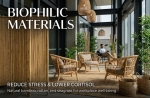
In the rapidly evolving landscape of global interior design, the boundary between the outdoors and indoor living has permanently blurred. Modern consumers, hospitality brands, and corporate enterprises are moving away from sterile, synthetic environments in favor of spaces that foster wellness, tranquility, and a deep connection to nature. This macro-shift, known as biophilic design, has transformed organic textures from a passing aesthetic trend into a fundamental requirement for contemporary architecture and decor.
At the center of this movement is woven wall art. Unlike flat, mass-produced canvas prints or cold metal installations, handwoven wall decor introduces three-dimensional depth, warmth, and tactile richness to vertical surfaces. For global B2B buyers, sourcing directors, and interior designers, curating a portfolio of high-quality, sustainably manufactured woven wall art is no longer optional—it is a strategic necessity to capture market share in the premium home decor sector.
However, importing natural fiber products at scale presents unique challenges, from supply chain compliance to strict quality control standards. This comprehensive guide provides an actionable, step-by-step framework for sourcing, customizing, and styling sustainable woven wall art that meets the rigorous demands of the global market.
PREREQUISITES: UNDERSTANDING NATURAL FIBERS AND INTERNATIONAL COMPLIANCE STANDARDS
The Raw Materials: Selecting the Right Organic Fibers
Before launching a product line, sourcing teams must understand the physical properties, aesthetic qualities, and ecological footprints of the primary natural fibers used in premium wall art production. At Ngoc Dong Ha Nam, we utilize five core sustainable materials:
- Seagrass (Sedge): Harvested from coastal wetlands, seagrass is highly flexible, naturally water-resistant, and boasts a smooth, slightly glossy texture. It ages beautifully from a vibrant green to a warm, golden-tan hue, making it ideal for intricate, tightly woven patterns.
- Water Hyacinth: Known for its thick, spongy stalks, water hyacinth is an invasive aquatic plant. Harvesting it for decor helps clear vital waterways. When dried and braided, it yields a soft, chunky, and highly tactile texture that adds dramatic depth to wall installations.
- Rattan: A naturally climbing vine, rattan is celebrated for its incredible tensile strength and durability. It can be bent into complex geometric shapes or split into fine reeds for delicate weaving, providing excellent structural support for larger wall art pieces.
- Bamboo: Lightweight, exceptionally strong, and one of the fastest-growing plants on earth, bamboo is utilized for structural frames, backing, and linear, minimalist wall hangings.
- Acacia Wood: Used primarily for premium framing and structural accents, FSC-certified acacia wood offers rich, dark grains that contrast beautifully with lighter woven fibers.
The Compliance Baseline: Certifications That Matter
For global retailers and hospitality procurement managers, supply chain integrity is paramount. To protect your brand reputation and ensure seamless customs clearance, you must partner with manufacturers who hold verified international certifications:
- BSCI (Business Social Compliance Initiative): Guarantees fair wages, safe working conditions, and ethical treatment of the artisans and factory workers throughout the manufacturing process.
- SMETA (Sedex Members Ethical Trade Audit): Assesses the site against the pillars of labor standards, health and safety, environmental performance, and business ethics.
- FSC (Forest Stewardship Council): Ensures that any wood or bamboo components used in the wall art are sourced from responsibly managed forests that provide environmental, social, and economic benefits.
Step 1: Aligning Weave Patterns and Material Selection with Global Market Demands
The first step in building a successful woven wall art collection is matching the raw materials and weaving techniques to the specific aesthetic preferences of your target demographic. Different markets demand different visual languages:
The Warm Minimalist & Japandi Aesthetic
This style demands simplicity, clean lines, and a neutral color palette. For this market, focus on fine-weave seagrass or split-bamboo wall panels. Geometric patterns created through subtle contrasts in natural fiber shades (rather than harsh chemical dyes) perform exceptionally well. The weave should be tight, uniform, and flat, emphasizing the natural beauty of the fiber without excessive bulk.
The Coastal & Bohemian Vibe
Coastal and boho interiors thrive on raw, organic, and slightly imperfect textures. Chunky water hyacinth braids, open-weave seagrass plates, and designs featuring fringed or unfinished edges are highly sought after. Large-format, multi-piece wall basket sets—where buyers can arrange 5 to 11 individual woven plates in a custom collage—remain a dominant bestseller in the North American and European retail sectors.
The Contemporary & Hospitality Sector
For high-traffic commercial spaces, hotels, and luxury offices, durability and scale are critical. Large-scale rattan-framed woven installations offer the structural rigidity required for public areas. These pieces often combine multiple materials—such as a dark acacia wood frame enclosing a complex, multi-layered water hyacinth and seagrass woven tapestry—to create a high-end, gallery-worthy focal point.
Step 2: Vetting and Partnering with a Sustainable Vietnamese Manufacturer
Vietnam is the global epicenter for high-quality natural fiber handicrafts, combining centuries-old artisanal weaving traditions with modern industrial manufacturing capabilities. However, not all suppliers are equipped to handle large-scale B2B orders. When vetting a manufacturing partner, use the following checklist:
1. Industrial Capacity vs. Artisanal Craftsmanship
Ensure the manufacturer operates a hybrid model. The actual weaving of the wall art should be performed by skilled local artisans in traditional craft villages (preserving cultural heritage and supporting rural economies), while the final assembly, quality control, kiln-drying, and packaging must take place in a centralized, modern factory facility. This ensures both authentic craftsmanship and strict product consistency.
2. Chemical and Dye Safety
Ask for verification regarding the dyes and finishes used. Premium manufacturers use water-based, non-toxic dyes and eco-friendly protective coatings that prevent mold without releasing harmful VOCs (Volatile Organic Compounds) into the consumer's home. Ensure the supplier complies with REACH (Europe) and Proposition 65 (California) standards.
3. Transparency and Traceability
A reliable partner should provide clear documentation on where their raw materials are harvested. For instance, at Ngoc Dong Ha Nam, we maintain a fully traceable supply chain, ensuring that our seagrass and water hyacinth are harvested sustainably from local provinces, minimizing carbon emissions associated with raw material transport.
Step 3: Designing and Customizing Bestselling OEM/ODM Wall Art Collections
Collaborating with your manufacturer's design team allows you to create exclusive, proprietary collections that set your brand apart. Follow these guidelines during the product development phase:
Establishing Structural Integrity
Large woven wall art can warp over time due to humidity changes. To prevent this, incorporate a hidden structural frame. For medium to large pieces, we recommend a powder-coated iron wire frame hidden within the weave. This keeps the artwork perfectly flat against the wall while remaining lightweight. For a 100% organic product, a sturdy double-ring bamboo split frame can be used.
Color Customization and Trend Forecasting
While natural, un-dyed fibers are highly popular, incorporating subtle color accents can dramatically boost sales. Consider a palette of earthy terracotta, sage green, charcoal black, and cream. When applying color, specify partial dyeing—where only select fibers are dyed before weaving—to create beautiful, organic gradients and intricate patterns that highlight the handwoven texture.
Prototyping and Sample Approval
Before committing to a mass production run, request a physical prototype. Evaluate the sample based on:
- Weave Density: Ensure there are no loose ends, gaps, or visible structural wires.
- Symmetry and Balance: For circular wall plates or geometric panels, verify that the dimensions are precise and the pattern is centered.
- Weight and Hanging Mechanism: The piece must include a secure, integrated hanging loop (made of reinforced seagrass rope or metal d-rings) that can easily support the product's weight.
Step 4: Managing Quality Assurance, Moisture Control, and Global Logistics
The primary risk when importing natural fiber home decor is moisture. If the products are not properly dried and packaged, they can absorb humidity during transit across ocean containers, leading to mold growth upon arrival. A professional manufacturer must implement a rigorous multi-stage Quality Assurance (QA) protocol:
The Drying Process
Natural fibers must undergo a controlled drying process. Sun-drying is excellent for the initial stages, but final drying must be conducted in specialized industrial kilns. This ensures that the core moisture content of the fibers is reduced to 12% to 15%, the scientific threshold that prevents mold cultivation while retaining the fiber's natural flexibility (preventing it from becoming brittle).
Moisture Testing and Inspection
Before packaging, quality control inspectors must test every batch using calibrated pin-type moisture meters. Any product exceeding the 15% moisture threshold must be rejected and re-dried. Random AQL (Acceptable Quality Limit) 2.5 inspections should be conducted to verify weave consistency, dimensions, and color accuracy.
Eco-Friendly Packaging and Container Optimization
To protect the woven wall art during long transit times, packaging must be carefully engineered:
- Individual Wrapping: Each piece should be wrapped in breathable, acid-free paper or biodegradable polybags to prevent abrasion.
- Moisture Absorbers: High-grade, eco-friendly silica gel packets or calcium chloride desiccant bags must be placed inside each inner box and distributed throughout the shipping container.
- Drop-Tested Master Cartons: Use heavy-duty, double-wall corrugated cardboard cartons that pass international drop tests (ISTA standards) to protect the structural frames from crushing.
- Container Loading Supervision: Ensure the container is clean, dry, and free of leaks before loading. Carton stacking must be optimized to prevent crushing while maximizing space utilization to lower shipping costs per unit.
Conclusion: Building a Sustainable Future with Ngoc Dong Ha Nam
Bringing the outdoors in is more than a design trend; it is a reflection of a global commitment to sustainable living and ethical consumption. Woven wall art represents the perfect marriage of nature, heritage craftsmanship, and modern design. By sourcing these products responsibly, global retailers and designers can offer their customers beautiful, high-margin decor that tells a story of ecological preservation and community empowerment.
As a pioneer in the Vietnamese handicraft industry with decades of export experience, Ngoc Dong Ha Nam is dedicated to helping global brands bring high-quality, fully compliant, and beautifully designed natural fiber products to market. Our state-of-the-art facilities, certified under BSCI and SMETA, combined with our deep connection to local artisan communities, ensure that your supply chain is secure, ethical, and built for long-term growth.
Ready to elevate your home decor portfolio with premium, sustainable woven wall art? Contact our B2B sourcing team today to request our latest catalog or discuss your custom OEM/ODM requirements.
Frequently Asked Questions
What are the most durable natural materials for woven wall art?
Rattan and seagrass are the most durable natural materials. Rattan offers exceptional structural strength and flexibility, making it perfect for large frames and structural designs. Seagrass is naturally resilient, moisture-resistant, and flexible, which ensures the weave remains tight and does not fray over time.
How does Ngoc Dong Ha Nam prevent mold on natural fiber decor during sea shipping?
We implement a strict moisture control protocol. All raw materials undergo industrial kiln-drying to reduce moisture content to 12-15% before weaving. After production, we test products with digital moisture meters, use eco-friendly desiccant bags in our packaging, and inspect shipping containers to ensure they are dry and airtight prior to loading.
Can we customize the size, color, and weave pattern of the wall art for our brand?
Yes. We specialize in OEM/ODM services. Our in-house design team can work with your CAD drawings, sketches, or reference images to customize dimensions, integrate powder-coated metal frames for stability, apply eco-friendly non-toxic dyes, and develop unique weave patterns tailored to your brand's aesthetic.
What social compliance certifications does your factory hold?
Ngoc Dong Ha Nam is fully certified under BSCI (Business Social Compliance Initiative) and SMETA (Sedex Members Ethical Trade Audit). These certifications guarantee that our products are manufactured under ethical working conditions, with fair wages, safe environments, and a strong commitment to environmental responsibility.