The Retail Identity Crisis: The Danger of the Disjointed Catalog
Walk down the home decor aisle of any major big-box retailer, or scroll through the digital pages of an emerging direct-to-consumer homewares brand. What do you see? Often, it is a chaotic visual landscape. You might find a sleek, modern bamboo cutting board placed next to a rustic, whitewashed wooden tray, sitting above a brightly colored, synthetic plastic storage bin. While each item might be functional on its own, together, they communicate absolutely nothing. They are just stuff.
In today’s hyper-competitive retail environment, selling "stuff" is a race to the bottom on price. The modern consumer—whether shopping at a mid-tier giant like Target or a premium outlet—is not looking to simply fill a void in their house. They are looking to curate a home. They are highly educated by interior design influencers, Pinterest boards, and architectural blogs. When they shop, they are attempting to piece together a specific aesthetic, a feeling, and a lifestyle.
If your retail brand’s product lineup feels like a disjointed hodgepodge of disconnected items, you are actively confusing your customer. Brand identity in the home decor space is not just about your logo, your packaging, or your marketing copy. It is fundamentally about your product architecture. If a consumer cannot instantly recognize a product as belonging to your brand simply by looking at its materials, finish, and design language, your brand identity is weak. The solution to this retail identity crisis is not more marketing; it is strategic, intentional product curation rooted in a consistent palette of natural materials.
The Visual Anchor: Why Natural Materials Define Brand DNA
To build a brand identity that instantly resonates with consumers, you need a visual anchor—a unifying element that ties your kitchenwares to your bathroom accessories, and your living room decor to your home office organizers. Natural materials are uniquely positioned to serve as this anchor.
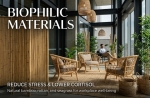
Why natural materials? First, they possess an inherent, timeless psychological appeal. In an era dominated by screens, synthetic environments, and digital fatigue, consumers have a deep, biologically driven desire to surround themselves with elements of nature. This principle, known as biophilic design, is the strongest driving force in contemporary interior aesthetics.
Materials like Acacia wood, bamboo, seagrass, water hyacinth, and rattan communicate warmth, authenticity, and sustainability without a single word of marketing copy.
-
Acacia Wood: Offers profound richness. With its dynamic grain patterns, exceptional durability, and warm tonal variations (ranging from light amber to deep walnut), Acacia acts as the sophisticated backbone of a collection. It provides structural integrity and a premium, polished feel.
-
Woven Fibers (Seagrass, Rattan, Paper Rope): Introduce necessary texture, approachability, and organic softness. They break up the rigid lines of wooden furniture and accessories, adding a handcrafted, artisanal narrative to the brand.
When you commit to a specific palette of these natural materials, you create a "material language." Imagine a brand that exclusively features smooth, edge-grain Acacia wood paired with tightly braided, natural-toned water hyacinth. Whether the customer is looking at a bread basket for the kitchen, a laundry hamper for the bath, or a set of floating shelves for the living room, that specific combination of wood and weave becomes instantly recognizable. It becomes the brand's signature. This consistency builds immense trust. It tells the consumer, "We are intentional. We have a distinct point of view. You can trust us to help you style your home."
The Mechanics of Curation: Cross-Merchandising and Manufacturing Harmony
Understanding the theory of a curated collection is one thing; executing it at a global retail scale is entirely another. The desire to build a cohesive brand identity often falls apart in the supply chain.
The Sourcing Nightmare
Most home decor brands and retail buyers source their products from multiple different factories. They buy their wooden cutting boards from Factory A, their woven storage baskets from Factory B, and their small accent furniture from Factory C. The result is disastrous for brand cohesion. The clear coat finish on the wood from Factory A is slightly glossier than the matte finish from Factory C. The natural tone of the seagrass from Factory B clashes with the warm undertones of the wood. When these items are finally placed side-by-side on a retail shelf, they look like they belong to different companies. You cannot build a curated collection through fragmented sourcing.
The Integrated Manufacturing Solution
True curation requires a manufacturing partner capable of handling multiple material disciplines under a single, unified quality control system. This is where Ngoc Dong Ha Nam Co. revolutionizes the B2B supply chain.
Established in 2004 (originating from a 1988 cooperative), we have spent over 30 years perfecting the integration of natural materials. We do not just make wood products, and we do not just weave baskets; we engineer holistic, mixed-material collections.
Our expansive 12,000 m2 facility is a masterclass in controlled, cross-disciplinary manufacturing:
-
Precision Woodworking: Equipped with state-of-the-art CNC routers, four-head lathes, planers, and sanding machines, we process Acacia and bamboo to exact, repeatable specifications. If your brand’s signature requires a specific 5mm rounded edge (R5) and a custom matte food-safe oil finish on a cutting board, we guarantee that exact same edge profile and finish will appear on your bathroom towel trays and your living room wall shelves.
-
Artisanal Weaving at Scale: We manage a network of over 2,000 highly trained artisans in Vietnam's traditional craft villages. Whether you need the delicate, intricate weave of paper rope or the chunky, robust braid of water hyacinth, we ensure the tension, pattern, and color are standardized across thousands of units.
-
Perfect Integration: Our true strength lies in combining these elements. We seamlessly integrate woven seagrass handles into solid Acacia serving platters, or build precise wooden frames for large rattan storage trunks. Because both the wood and the woven components are developed simultaneously by the same engineering team, the fit, finish, and color harmony are flawless.
Scaling Your Curated Identity
Furthermore, building a brand identity through natural materials requires absolute consistency in quality and environmental resilience. A curated collection is ruined if the wooden items warp or the woven items develop mold on the retail floor. Ngoc Dong Ha Nam eliminates this risk through unparalleled curing infrastructure. With three industrial-capacity electric drying rooms and three climate-controlled warehouses capable of storing over 40 containers of finished goods, we ensure perfect moisture content across all materials.
Our capacity to export 40-50 40-foot containers per month means we can launch your entire cohesive collection—spanning kitchen accessories, home decor, bath items, and small furniture—simultaneously across hundreds of retail doors. Backed by rigorous international certifications including ISO9001, ISO14001, SCAN, BSCI, SMETA, and FSC, we provide the ethical and quality assurances required by the world’s largest retailers, including Walmart, Target, Costco, Lowe's, and Nitori.
Curate Your Next Best-Selling Collection Today
Transitioning from selling disjointed items to offering a fully curated, lifestyle-driven collection is the single most effective way to increase brand loyalty, elevate your perceived value, and drive multi-item purchases. But you cannot do it alone. You need a manufacturing partner who understands that the consistency of your materials is the foundation of your brand identity.
Stop managing a dozen different fragmented suppliers. Consolidate your vision with a manufacturer that has over three decades of proven expertise in blending wood, bamboo, and natural woven fibers into stunning, unified collections.
Ready to build a cohesive brand identity that commands attention on the retail floor? Explore our mixed-material capabilities and start your custom OEM/ODM collection today by visiting www.ngocdonghandicrafts.com or www.simplyacacia.com. Let's craft your brand’s signature look.
Frequently Asked Questions (FAQs)
1. What does it mean to have a "curated collection" in home decor? A curated collection means that all products within a brand’s lineup share a consistent design language, color palette, and material profile. Instead of looking like random individual items, they look like they were designed together to create a specific lifestyle aesthetic, making it easy for consumers to mix and match items confidently.
2. Why is mixing materials like Acacia wood and seagrass effective for brand identity? Using a specific combination of materials—like the smooth, rigid warmth of Acacia wood paired with the textured, organic softness of woven seagrass—creates a unique visual signature. When this specific combination is applied across various products (from kitchen to bath), it makes the brand instantly recognizable and highly premium.
3. What is the biggest challenge in producing a multi-material home decor collection? The biggest challenge is maintaining consistency in color, finish, and quality when sourcing different materials from different factories. Wood from one supplier and baskets from another often clash. Partnering with a fully integrated manufacturer like Ngoc Dong Ha Nam ensures all materials are processed, matched, and quality-controlled under one roof.
4. How does Ngoc Dong Ha Nam ensure the quality and consistency of natural materials? The factory utilizes an ISO9001 quality management system. They combine high-tech machinery (CNC, automated sanders) for precise wood processing with the skilled hand-weaving of over 2,000 artisans. Crucially, their massive electric drying rooms and climate-controlled warehouses ensure all natural fibers and woods are perfectly cured to prevent warping or mold, regardless of the material type.
5. Is a curated collection of natural materials sustainable? Yes, highly sustainable. By utilizing fast-growing natural fibers like seagrass, water hyacinth, and bamboo, alongside FSC-certified Acacia wood, brands can build a comprehensive eco-friendly identity. Ngoc Dong Ha Nam is ISO14001 certified and strictly adheres to global ethical and environmental standards.