The Forgotten Room: Elevating the Utility Space
For decades, the laundry room has been the most neglected space in the modern home. It is the room where doors are quickly shut when guests arrive. Traditionally viewed as a purely utilitarian zone of endless chores, it frequently becomes a dumping ground for dirty clothes, mismatched plastic hangers, oversized detergent jugs, and random household clutter. The irony is stark: the very room dedicated to cleaning and refreshing our lives is often the most chaotic and visually unappealing space in the house.
However, a massive shift in interior design and consumer behavior is currently underway. The modern homeowner is no longer willing to tolerate ugly utility spaces. Influenced by the rise of home organization shows, aesthetic social media feeds, and a broader societal push toward mindful living, consumers are demanding that every square foot of their home—including the laundry room—reflects their personal style. They want "utilitarian beauty." They are realizing that performing a mundane chore in a beautifully organized, visually calming environment significantly reduces stress and transforms the experience from a dreaded task into a satisfying routine.
This consumer awakening has created a massive opportunity for the home decor and housewares market. The days of consumers settling for brittle, neon-colored plastic laundry baskets and sterile wire shelving are over. Today’s shoppers are actively seeking premium, smart storage solutions that seamlessly combine rigorous organization with elevated aesthetics. They are looking to build a laundry sanctuary, and to do so, they are turning away from synthetic plastics and embracing the warmth and sophistication of natural materials.
The Natural Advantage: Why Wood and Woven Fibers Dominate
When upgrading a laundry space, the materials chosen dictate both the function and the feeling of the room. Plastic and metal, while functional, inherently feel cold, industrial, and cheap. Furthermore, airtight plastic hampers trap moisture and odors from damp towels and gym clothes, creating a breeding ground for mildew.
This is exactly why natural materials have become the cornerstone of modern laundry room organization. They offer a unique intersection of practical benefits and biophilic design—the psychological need to bring elements of nature indoors to create calming environments.
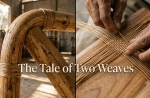
Consider the role of woven natural fibers such as seagrass, water hyacinth, rattan, and paper rope. When woven into tall laundry hampers or wide sorting baskets, these materials introduce essential texture and organic warmth into a room usually dominated by the hard, shiny surfaces of washing machines and dryers. Beyond their undeniable visual appeal, woven baskets offer a crucial functional advantage: breathability. The microscopic gaps in the weave allow air to circulate freely around damp clothing, drastically reducing trapped odors and the risk of mildew before wash day.
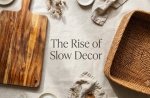
To anchor these woven elements, natural woods like Acacia and bamboo are introduced to provide structure and sophistication. Acacia wood, celebrated for its dense durability and rich, dynamic grain patterns, offers a luxurious foundation. When used for folding tables, floating shelves, or the structural frames of large hampers, Acacia provides a sleek, polished contrast to the rough, tactile nature of woven seagrass. The combination of smooth wood and textured grass creates a visual balance that instantly upgrades the laundry room from a utility closet to a curated interior space.
Engineering the Perfect Laundry Ecosystem
Creating a functional and beautiful laundry room requires a strategic ecosystem of products. Consumers need a place to sort, a place to store, and a place to display. Retailers must provide a cohesive collection that addresses all these needs simultaneously.
-
The Sorting Station: The foundation of laundry organization is the sorting hamper. High-capacity baskets made from thick, braided water hyacinth or sturdy rattan, featuring internal canvas liners, allow for elegant sorting of lights and darks. To add a premium touch, these baskets can be fitted with smooth Acacia wood lids, concealing the laundry entirely and providing an extra surface for temporary folding.
-
Vertical Storage and Shelving: In most laundry rooms, floor space is extremely limited. Utilizing vertical space is essential. Sturdy Acacia wood or bamboo wall shelves are perfect for holding glass jars of detergent pods, wool dryer balls, and neatly folded towels. A beautifully crafted wooden drying rack—which can be folded flat against the wall when not in use—provides a sustainable, aesthetic alternative to plastic drying lines.
-
The Micro-Organizers: True organization is in the details. Small woven bath and laundry baskets are perfect for corralling the inevitable clutter of a laundry room: lost socks, clothespins, stain remover brushes, and pocket change. Placing these small, uniform woven baskets on an Acacia wood shelf creates a clean, customized look that mimics high-end interior design.
However, supplying these natural storage solutions for a laundry room comes with a unique manufacturing challenge: humidity. The laundry room is a high-moisture environment. If a retailer stocks poorly manufactured wooden shelves or improperly dried woven baskets, the products will rapidly warp, crack, or develop mold, leading to massive return rates and brand damage.
This is where the manufacturing mastery of Ngoc Dong Ha Nam Co. becomes indispensable for global retailers. We do not just weave baskets; we engineer robust, climate-resilient home solutions. Established in 2004, our sprawling 12,000-square-meter facility is specifically designed to overcome the challenges of natural materials.
The secret to our durability lies in our uncompromising moisture control. We operate three industrial-capacity electric drying rooms that meticulously cure our raw materials—from Acacia wood to water hyacinth—bringing them to the precise moisture content required to withstand humid environments. Furthermore, our three climate-controlled warehouses can store over 40 containers of finished goods, ensuring that our products remain in pristine, mold-free condition for up to six months of storage before they even reach your retail shelves.
Our manufacturing process blends the precision of modern technology with the artistry of traditional craftsmanship. We utilize state-of-the-art CNC machines, planers, and four-head lathes to ensure that every Acacia wood shelf and drying rack is geometrically perfect and structurally sound. Simultaneously, our network of over 2,000 highly trained artisans across Vietnam’s traditional craft villages executes the intricate, tight weaving that makes our natural fiber baskets incredibly strong and beautiful.
Supported by an ISO9001 quality management system and capable of exporting 40-50 40-foot containers per month, Ngoc Dong Ha Nam is perfectly positioned to supply the world's largest mid-to-low-tier retailers—including Walmart, Target, Costco, Lowe's, and Nitori—with the volume and uncompromising quality they demand.
Transform Your Retail Collections Today
The consumer demand for smart, aesthetically pleasing laundry room storage is surging. Shoppers are actively looking to replace their disposable plastic bins with durable, beautiful, and sustainable natural materials. They want their utility spaces to feel as curated as their living rooms.
Do not miss the opportunity to capture this growing market segment. Partner with a manufacturer that combines over 30 years of global export experience, rigorous environmental curing infrastructure, and world-class certifications (including FSC, ISO14001, SCAN, BSCI, and SMETA).
Equip your retail shelves with the ultimate in smart laundry storage. Explore our expansive catalog of Acacia wood, bamboo, and woven natural fiber collections, and discuss your custom OEM/ODM needs today by visiting www.ngocdonghandicrafts.com or www.simplyacacia.com. Let’s bring utilitarian beauty to homes worldwide.
Frequently Asked Questions (FAQs)
1. Why are woven natural fiber baskets better than plastic hampers for the laundry room? Woven baskets made from materials like seagrass and water hyacinth offer superior breathability. The natural weave allows air to circulate around dirty, damp clothing, which drastically reduces the buildup of musty odors and the risk of mildew compared to airtight plastic bins. Additionally, they provide a much warmer, premium aesthetic.
2. Will natural wood and woven baskets mold in a humid laundry environment? They can if they are poorly manufactured. However, premium storage solutions from Ngoc Dong Ha Nam Co. undergo rigorous curing in industrial electric drying rooms to ensure optimal moisture content. This expert processing, combined with proper home ventilation, prevents mold and ensures long-lasting durability even in damp environments.
3. What are the best materials for laundry room shelving? Acacia wood and bamboo are excellent choices. Acacia is a dense hardwood known for its natural water resistance and durability, making it perfect for holding heavy detergents and damp items. Bamboo offers a lightweight, highly sustainable, and incredibly strong alternative with a sleek, modern finish.
4. How does Ngoc Dong Ha Nam ensure the quality of its mixed-material storage products? The factory utilizes an ISO9001-certified quality management system. By combining high-tech machinery (like CNC routers and automated sanders) for precise wood processing with the heritage hand-weaving skills of over 2,000 artisans, they ensure perfect integration, flawless finishes, and incredible structural integrity.
5. Can Ngoc Dong Ha Nam supply large wholesale volumes for global retail chains? Yes. Operating a 12,000 m2 factory with extensive climate-controlled warehousing, Ngoc Dong Ha Nam has the capacity to export 40-50 40-foot containers per month. The company currently supplies major global retailers such as Costco, Walmart, Target, Lowe's, and Nitori.