The Evolution of the Bathroom: Moving Beyond the Plastic Era
For decades, the standard aesthetic of the global bathroom was defined by a single, inescapable material: plastic. Walk into almost any home in the late 20th and early 21st centuries, and you would find plastic soap dispensers, synthetic shower caddies, plastic waste bins, and acrylic towel racks. The reasoning was purely practical. The bathroom is a uniquely hostile environment in the home—a micro-climate of rapidly fluctuating temperatures, dense steam, and constant moisture. For a long time, manufacturers and consumers believed that only sterile, synthetic plastics could survive these daily deluges without warping, rusting, or rotting.
However, a profound shift in consumer psychology is actively dismantling this plastic monopoly. Today’s consumers are acutely aware of the environmental devastation caused by single-use and short-lived synthetic goods. They are experiencing "plastic fatigue." More importantly, the cultural definition of the bathroom has fundamentally changed. It is no longer viewed merely as a utilitarian washroom; it is the modern homeowner's private sanctuary. It is the one room dedicated entirely to self-care, decompression, and wellness.
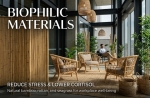
You cannot create a restorative, spa-like sanctuary using cheap, brittle plastic. Plastic feels cold, looks sterile, and constantly reminds the user of mass commercialization. As consumers increasingly turn to "biophilic design"—the architectural philosophy of bringing nature indoors to reduce stress and improve mental well-being—the demand for organic, tactile, and natural materials in the bathroom has skyrocketed. Shoppers are actively looking to replace their plastic bathroom accessories with something that offers warmth, authenticity, and sustainability. They are looking for wood. But not just any wood can survive the sanctuary.
The Natural Champion: Why Acacia Wood Thrives in High Humidity
Introducing wood into a high-moisture environment is a daunting prospect for many homeowners and retail buyers. The fear of mold, swelling, and cracking is valid if the wrong type of wood is used. This is exactly why Acacia wood has become the undeniable champion of sustainable bathroom decor.
Acacia is not your standard softwood. It is an exceptionally dense, heavy, and resilient hardwood that has adapted to thrive in harsh, variable climates across the globe. This evolutionary background has endowed Acacia wood with a unique set of physical properties that make it the ultimate upgrade for bathroom environments:
-
Natural Water Resistance: Acacia wood is naturally rich in specific oils and resins that act as an internal waterproofing system. These natural oils repel water droplets and resist moisture absorption, preventing the wood from easily swelling or succumbing to rot when exposed to the daily steam of a hot shower.
-
Extreme Density and Durability: Because it is a highly dense hardwood, Acacia is incredibly resistant to the scratches, dents, and daily impacts that occur in a busy bathroom. It provides a heavy, premium feel that instantly elevates the perceived value of the product.
-
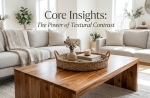
Aesthetic Warmth and Visual Weight: Bathrooms are typically dominated by hard, cold, and highly reflective surfaces—porcelain sinks, ceramic tiles, glass mirrors, and chrome fixtures. Acacia wood provides a critical textural contrast. Its dynamic, flowing grain patterns and rich tonal variations (ranging from light golden honey to deep, luxurious walnut) absorb light and introduce an immediate sense of organic warmth. A beautifully oiled Acacia wood bath bridge sitting across a white porcelain tub instantly transforms a standard bathroom into a luxury spa.
By replacing plastic items with Acacia wood, consumers are achieving two major goals simultaneously: they are purging their homes of environmentally harmful synthetics, and they are upgrading their daily routines with a material that promotes psychological calm.
Designing the Sanctuary: Curating the Perfect Bath Collection
For retail buyers, merchandisers, and interior brands, capitalizing on this trend requires offering a cohesive, beautifully engineered collection of Acacia wood bath accessories. Consumers are not just looking for a single item; they are looking to overhaul their space. A truly curated sustainable bathroom collection addresses every functional need while maintaining a unified, premium aesthetic.
-
The Bath Bridge (Caddy): The ultimate symbol of the at-home spa. An expertly milled Acacia wood bath bridge, designed to hold a book, a candle, and a glass of wine, is a high-margin hero item that immediately communicates luxury.
-
Waste Baskets and Towel Trays: Replacing a plastic trash can with a solid Acacia wood waste basket, or swapping wire racks for smooth Acacia towel trays, instantly grounds the room.
-
Vertical Storage Solutions: Space is often limited in bathrooms. Acacia wood floating shelves, tiered standing racks, and small benches provide highly durable, water-resistant storage for rolled towels, glass apothecary jars, and indoor plants.
-
Mixed Material Harmony: For a softer aesthetic, Acacia wood pairs flawlessly with woven natural fibers. A laundry basket featuring a sturdy Acacia wood frame and a breathable, hand-woven seagrass or water hyacinth body offers maximum functionality while preventing the trapped odors common in plastic hampers.
However, the secret to selling natural wood for the bathroom lies entirely in the manufacturing process. Even a wood as resilient as Acacia will fail if it is improperly prepared. If a retailer stocks poorly cured wood products, the high humidity of the consumer's bathroom will cause the items to warp, crack, or mold, leading to disastrous return rates and brand damage.
This is where the unmatched manufacturing prowess of Ngoc Dong Ha Nam Co. becomes your brand's greatest asset. We do not just cut wood; we engineer climate-resilient sanctuary decor. Established in 2004, with roots stretching back to 1988, our sprawling 12,000-square-meter facility is specifically designed to overcome the challenges of natural materials.
The foundation of our durability is our uncompromising moisture control. We operate three industrial-capacity electric drying rooms that meticulously cure our raw Acacia wood, bringing it to the exact, optimal moisture content required to withstand humid bathroom environments. Once processed by our state-of-the-art CNC machines, planers, and automated sanders for geometric perfection, the finished goods are moved to our three massive climate-controlled warehouses. Capable of storing over 40 containers, this facility ensures that every piece remains in pristine, mold-free condition for up to six months before export.
Supported by an ISO9001 quality management system and fully FSC, ISO14001, SCAN, BSCI, and SMETA certified, we guarantee that every Acacia wood and mixed-material bath accessory we produce is ethically sourced, environmentally sustainable, and built to last. With a monthly export capacity of 40-50 40-foot containers, we have the scale, precision, and infrastructure to supply the world's most demanding mid-to-low-tier retailers, including Walmart, Target, Costco, Lowe's, and Nitori.
Transform Your Bath and Bed Aisles Today
The era of the plastic bathroom is ending. Today’s consumers are demanding sustainable, beautiful, and water-resistant natural materials to build their home sanctuaries. Acacia wood is the clear market leader, but it requires world-class manufacturing to succeed.
Do not risk your brand’s reputation on fragile, poorly cured natural decor. Partner with a manufacturer that has spent over 30 years mastering the art of climate-resilient home accessories.
Elevate your retail collections with our premium, FSC-certified Acacia wood and mixed-material bathroom accessories. Discover our extensive catalog and discuss your custom OEM/ODM program today by visiting www.ngocdonghandicrafts.com or www.simplyacacia.com. Let’s bring the sustainable sanctuary to homes worldwide.
Frequently Asked Questions (FAQs)
1. Is Acacia wood really safe to use in a wet bathroom environment? Yes, Acacia wood is highly suitable for bathrooms. It is an extremely dense hardwood that contains natural oils, making it inherently resistant to water absorption and rot. When properly manufactured, cured, and finished with a protective sealant, it withstands bathroom humidity beautifully.
2. How do I prevent mold from growing on wooden bathroom accessories? The key to preventing mold is starting with properly manufactured products. Ngoc Dong Ha Nam Co. uses industrial electric drying rooms to ensure the wood's internal moisture content is perfectly balanced before production. At home, ensuring basic bathroom ventilation (using an exhaust fan) and wiping away standing water is all that is needed to keep the wood pristine.
3. Why should consumers choose Acacia wood over plastic bathroom accessories? Acacia wood offers a luxurious, spa-like aesthetic that plastic cannot replicate, introducing warmth and biophilic design into the space. Environmentally, Acacia (especially FSC-certified) is a renewable, sustainable resource, whereas plastic contributes to long-term pollution and landfill waste.
4. What kind of bathroom products are best made from Acacia wood? Acacia is perfect for products that require structural integrity and water resistance. Popular items include bath bridges (tub caddies), waste baskets, towel trays, floating shelves, small bath stools, and the structural frames for woven laundry hampers.
5. Can Ngoc Dong Ha Nam Co. handle high-volume orders for global retail chains? Absolutely. With a 12,000 square meter factory, advanced CNC machinery, extensive climate-controlled warehousing, and an export capacity of 40-50 containers per month, the company successfully supplies major global retailers like Costco, Target, Walmart, Lowe's, and Nitori.