THE HIGH STAKES OF TIMING IN GLOBAL HOME DECOR SOURCING
Missing a critical sourcing window by just 14 days can delay retail shelf placement by up to 3 months and erode profit margins by 15% due to expedited air freight costs. Global retail supply chains operate on razor-thin margins where timing is everything. A single disruption in raw material harvesting or factory capacity allocation can cascade into empty shelves during peak selling seasons like Black Friday or Christmas. For high-demand categories such as natural fiber home decor (seagrass, water hyacinth, rattan) and sustainable wood (acacia, bamboo), timing is dictated not just by consumer demand, but by natural agricultural cycles and regional weather patterns. When ocean freight rates can spike from $2,000 to over $10,000 per FEU during the late Q3 peak season, early planning becomes your primary financial shield.
How do seasoned global procurement directors protect their margins? They map their entire procurement pipeline to a strict, proactive annual cycle rather than reacting to market pressures. For instance, a leading European home retailer optimized their end-to-end lead times by 22% simply by aligning their sample approval phase with the regional agricultural dry season in Vietnam [1]. This strategic alignment prevented moisture-related quality rejections and secured priority production lines before factories reached peak capacity. This guide provides a battle-tested, 12-month operational blueprint to de-risk your sourcing strategy and maximize supply chain predictability.
Q1 (JANUARY–MARCH): DESIGN FREEZE, PROTOTYPING, AND TET DISRUPTION MANAGEMENT
Q1 is the critical window to finalize designs, approve physical samples, and mitigate the severe production shutdowns caused by Lunar New Year and Tet holidays in Southeast Asia. During this quarter, manufacturing hubs across Vietnam and China completely halt operations for up to three weeks as migrant workers return home. Smart B2B buyers freeze their product designs by January 15th to ensure prototype feedback is processed and finalized before these factory shutdowns begin. If you fail to secure golden sample approval before this period, your order will be pushed to the back of the post-holiday production queue, delaying your entire timeline by at least 45 days.
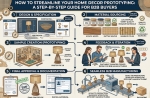
What happens if you miss this window? A delay in prototype sign-off in January pushes mass production into late April, colliding directly with Q2 peak bookings and causing immediate logistics bottlenecks. To manage this risk, divide your Q1 tasks into strict monthly milestones:
- January: Finalize CAD drawings and material specifications, ensuring moisture content limits are strictly set below 12% for Acacia and bamboo products.
- February: Manage the Tet/LNY shutdown period. Use this quiet operational window to review Q4 sell-through data and refine demand forecasts for the upcoming seasons.
- March: Receive and evaluate physical golden samples. Conduct rigorous on-site drop tests, humidity checks, and structural integrity assessments on bamboo and rattan weaves.
Q2 (APRIL–JUNE): CAPACITY BOOKING, MATERIAL HARVESTING, AND COMPLIANCE AUDITS
Q2 is the optimal period to lock in manufacturing capacity, audit factories against BSCI/SMETA standards, and secure raw materials like water hyacinth and seagrass during their peak harvest seasons. This is the golden window when raw material prices are most stable and material quality is at its absolute peak due to low environmental humidity. Waiting until Q3 to secure natural fibers guarantees higher moisture-related defect rates, increased mold risks during ocean transit, and inflated material costs due to scarcity. Furthermore, this is the time when factories are highly receptive to scheduling audits and negotiating competitive volume pricing.
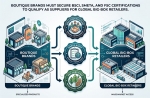
Compliance verification cannot be rushed or bypassed under modern ESG import regulations. Ensuring your manufacturing partner holds valid FSC (Forest Stewardship Council) and BSCI certifications protects your brand from severe customs delays and compliance penalties in the US and EU markets. Use this period to cross-reference factory credentials and establish clear quality agreements.
|
Material
|
Peak Harvest Period
|
Moisture Risk Level
|
Compliance Check
|
|
Acacia Wood
|
Year-round (dry days preferred)
|
Medium (requires kiln drying)
|
FSC Chain of Custody
|
|
Bamboo
|
October – March
|
Low-Medium
|
FSC / BSCI
|
|
Seagrass
|
May – July
|
High (requires immediate sun-drying)
|
BSCI / SMETA
|
|
Water Hyacinth
|
June – September
|
Very High (must monitor humidity)
|
BSCI / SMETA
|
Q3 (JULY–SEPTEMBER): MASS PRODUCTION, STRICT QUALITY CONTROL, AND PRE-PEAK SHIPPING
Q3 requires daily production monitoring and strict on-site quality control inspections to ensure goods are shipped before the high-tariff, congested pre-holiday shipping rush. By July, mass production lines must run at 100% capacity to meet autumn shipping deadlines. This is the highest-risk period for quality dilution as factories rush to meet tight delivery windows, making independent quality inspections non-negotiable. Implementing a multi-stage quality control protocol during this high-pressure phase is the only way to prevent container-load rejections at your destination port.
To mitigate these risks effectively, your quality assurance team must execute a strict three-tier inspection protocol on the factory floor:
- DuPro (During Production) Inspection: Conducted when 20-30% of the order is completed to catch weaving defects, incorrect dimensions, or structural errors early in the cycle.
- PSI (Pre-Shipment Inspection): Conducted when at least 80% of the order is packed. Verify strict compliance with AQL 2.5 standards for aesthetics, moisture levels, and packaging durability.
- Container Loading Supervision (CLS): Ensure carton stacking patterns prevent crushing and that high-grade silica gel desiccants are properly distributed to absorb moisture during the humid sea voyage.
Shipping your containers in August or early September avoids the peak ocean freight rate hikes and severe port congestion that typically occur from late September through November.
Q4 (OCTOBER–DECEMBER): PORT LOGISTICS, GOLDEN WEEK PLANNING, AND NEXT-YEAR FORECASTS
Q4 focuses on navigating port congestion, securing early-bird container rates for the next cycle, and analyzing sell-through data to forecast raw material needs. While Q4 is the peak selling season for retail brands, your sourcing and procurement teams must already be looking 12 months ahead to secure the next cycle's success. This period is characterized by intense port congestion and container shortages, making proactive logistics coordination your top priority to avoid costly demurrage fees.
Do not let holiday sales performance distract your team from critical next-year planning. Use November and December to run detailed post-mortem analyses on factory performance, lead-time accuracy, and product defect rates. This is also the ideal strategic window to negotiate raw material volume commitments with your manufacturing partners for the upcoming year, leveraging your annual volume to lock in lower pricing and guaranteed capacity before the Q1 rush begins.
MITIGATING SUPPLY CHAIN RISKS: THE 30-60-90 RULE FOR RETAIL BUYERS
Implementing a strict 30-60-90 day milestone tracking framework reduces product defect rates to under 1.2% and ensures a 98.5% on-time delivery rate. This risk-mitigation framework keeps both your internal merchandising team and the manufacturing facility aligned on expectations, deliverables, and deadlines. By breaking down the complex sourcing cycle into predictable 30-day sprints, you eliminate communication gaps and catch potential production bottlenecks before they impact your retail launch dates.
Adhering to this structured timeline turns supply chain volatility into a distinct competitive advantage for international retailers. Partnering with an experienced, compliant manufacturer who understands these seasonal nuances is the final, most critical piece of the puzzle.
The 30-60-90 Day Sourcing Framework
- Day 1-30 (Initiation): Finalize product specifications, issue purchase orders (POs), and confirm raw material sourcing locations.
- Day 31-60 (Execution): Conduct mid-point production audits (DuPro) and verify factory compliance standards (BSCI/SMETA).
- Day 61-90 (Verification & Logistics): Complete final PSI inspections, supervise container loading, and secure ocean freight bookings.
This article is authored by Thong Nguyen – Co-owner & Sales Director at Ngoc Dong Ha Nam Co., Ltd. With 25+ years of experience managing and operating manufacturing facilities for export housewares and handicrafts, we specialize in providing high-quality bamboo, rattan, water hyacinth and natural acacia wood manufacturing solutions for global retail partners.
FREQUENTLY ASKED QUESTIONS
What is the biggest risk of sourcing natural fiber home decor out of season?
Sourcing natural fibers like seagrass or water hyacinth outside their peak dry-season harvest (typically Q2 to early Q3) increases moisture content above the safe 12% threshold, dramatically raising the risk of mold during transit.
How early should B2B buyers start sourcing for the holiday season?
International retailers should initiate design and prototyping at least 9 to 10 months before the target on-shelf date, ideally finalizing samples by late February.
Why are BSCI and SMETA audits critical during the Q2 sourcing phase?
Q2 is when factories scale up production capacity. Conducting BSCI or SMETA audits during this phase ensures compliance with international labor and safety standards before peak production begins, preventing costly mid-cycle stops.